
 (+65)67364142
 Specialized Techniques
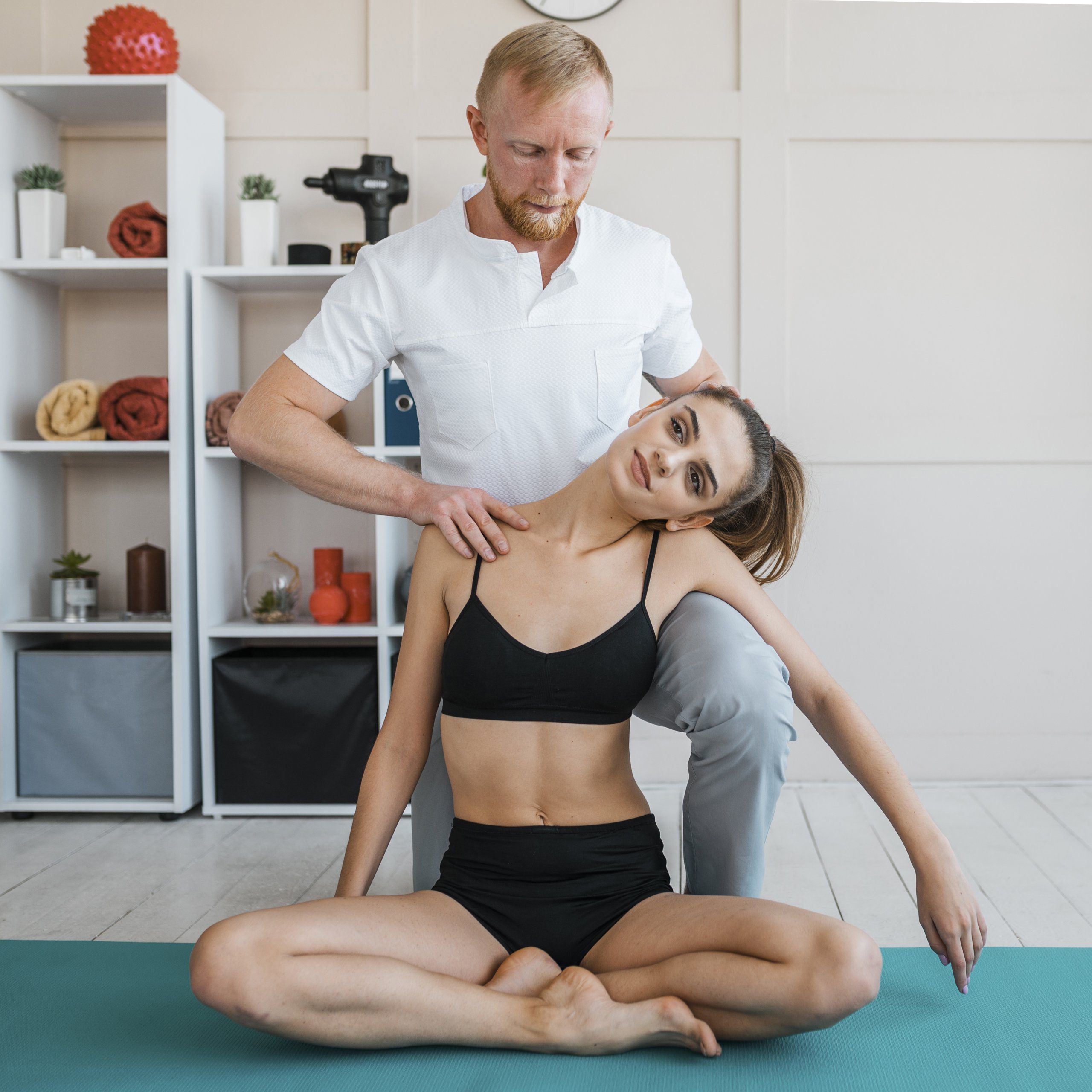
Specialized Techniques in Singapore
At Physio Asia Therapy Centre, our specialized techniques in Singapore combine physiotherapy expertise, advanced technology, and individualized treatment approaches to support pain management, rehabilitation, movement recovery, and long-term physical function.
These techniques are used alongside appropriate physiotherapy assessment, hands-on treatment, therapeutic exercise, and rehabilitation when clinically suitable. Rather than using the same approach for everyone, our physiotherapists select techniques according to your condition, movement patterns, symptoms, functional needs, and recovery goals.
If you are looking for specialized physiotherapy techniques in Singapore for back or neck pain, pelvic floor concerns, muscle tension, sports injuries, or running and walking problems, our team can assess your condition and recommend an appropriate treatment plan.
What Are Specialized Techniques in Physiotherapy?
Specialized techniques are advanced physiotherapy methods, equipment, and technology used to assess, treat, or retrain specific movement and muscle-related problems.
At Physio Asia, these techniques can complement conventional physiotherapy rather than replace a complete rehabilitation program. Depending on your assessment, treatment may involve hands-on therapy, targeted exercises, biofeedback, imaging, sports rehabilitation, or other specialized approaches.
Our overall physiotherapy approach focuses on analysis, treatment, and prevention, with the aim of helping clients improve movement, function, strength, and physical confidence.
Our Specialized Techniques in Singapore
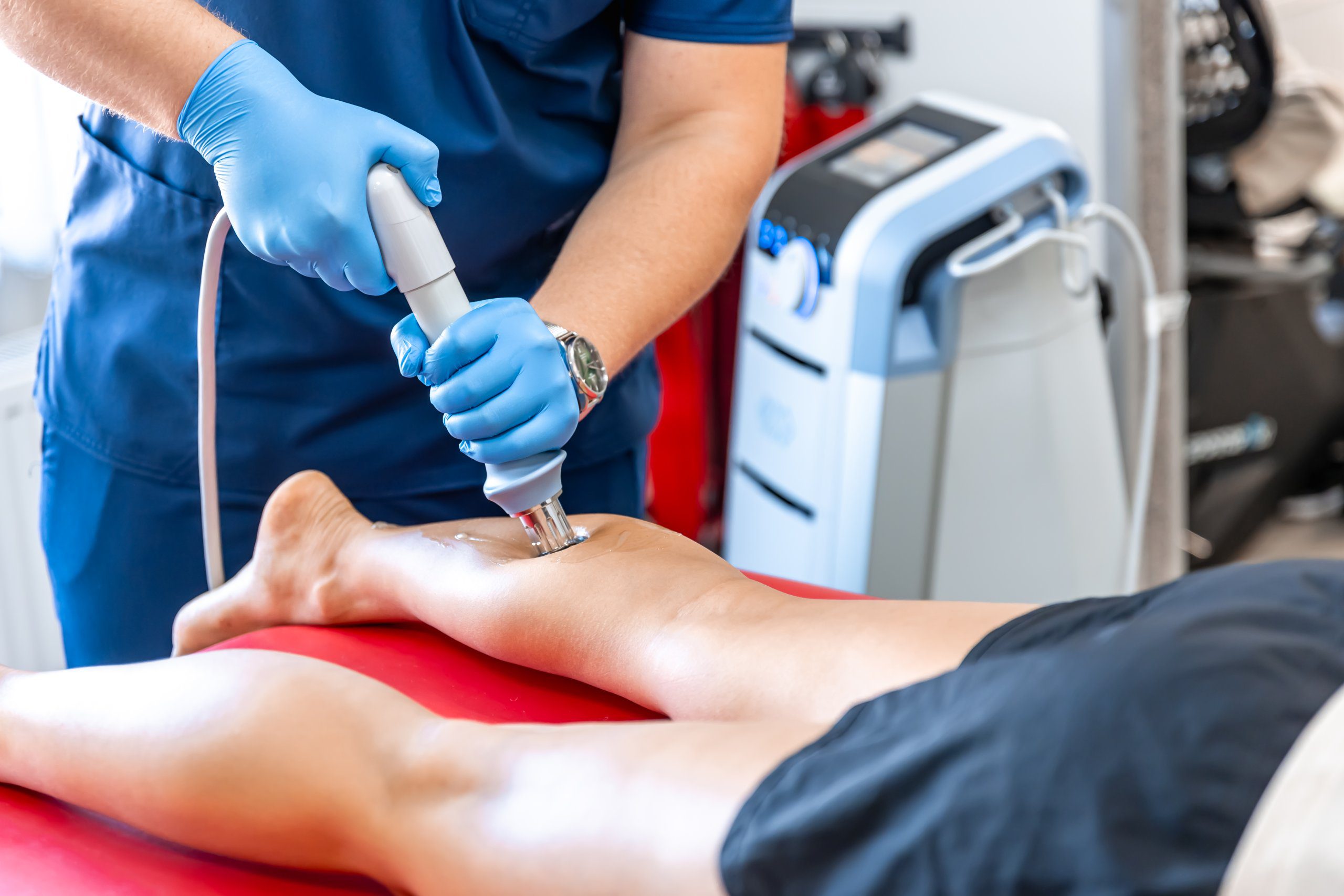
1. Shock Wave Radial Therapy
Shock Wave Radial Therapy is a non-invasive treatment that uses acoustic waves to stimulate the tissues in a targeted area. It may be incorporated into physiotherapy management for certain musculoskeletal conditions involving persistent muscle tension, trigger points, or tendon-related problems.
The treatment is applied to the relevant area based on the physiotherapist’s assessment. It may help manage pain and stiffness while being combined with other rehabilitation strategies such as mobility work and therapeutic exercise.
Shock Wave Radial Therapy may be considered as part of a treatment plan for selected tendinopathies, muscle tension, trigger points, and persistent soft-tissue symptoms.
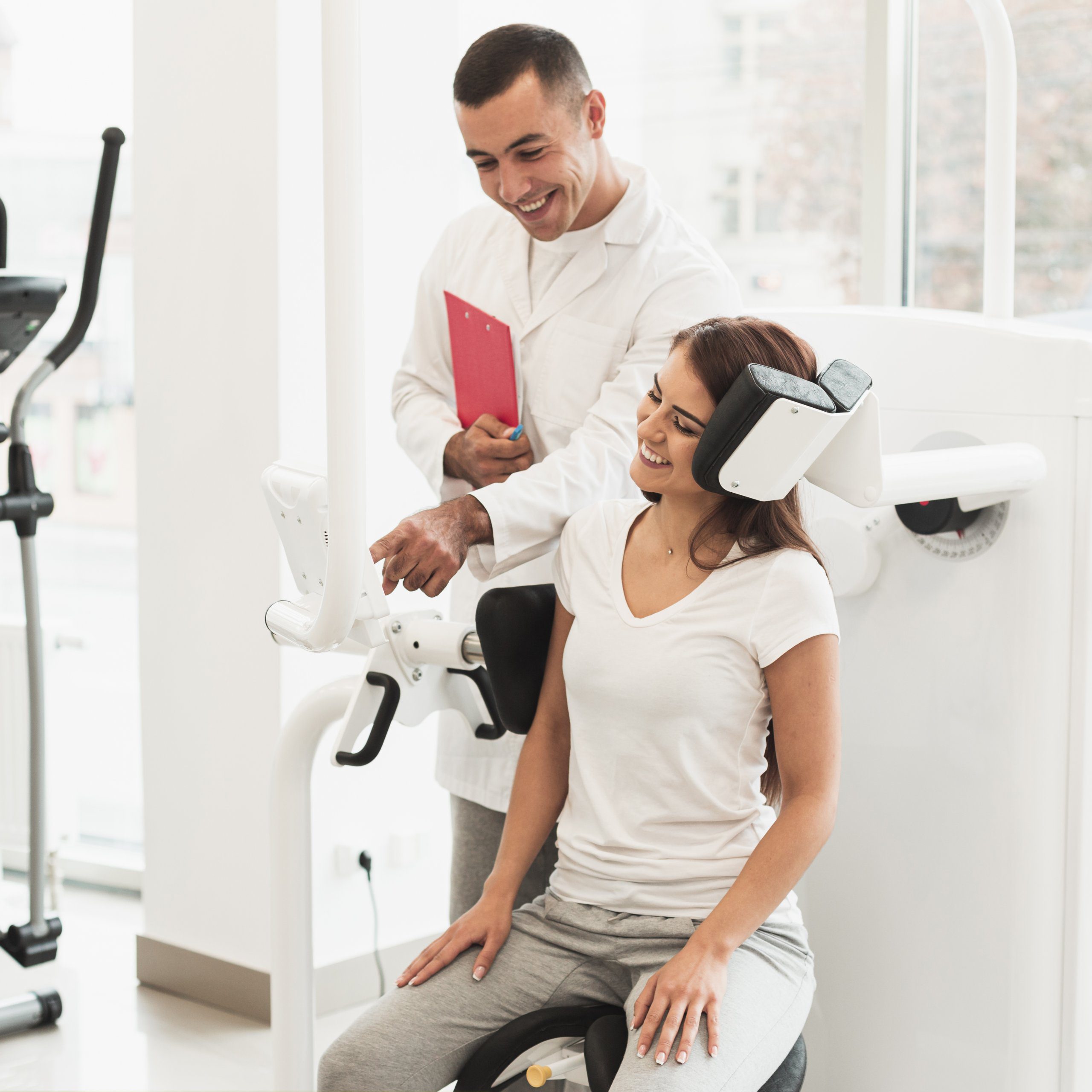
2. SCORES Back Care Program
The SCORES Back Care Program is a structured approach designed for people experiencing chronic or recurrent back and neck pain.
The program focuses on strengthening and retraining the muscles that contribute to spinal stability. Exercises can be adjusted according to your symptoms, physical abilities, movement patterns, and functional goals.
Technology such as Real-Time Ultrasound Imaging and pressure biofeedback can be incorporated to help clients and physiotherapists understand how the deep core muscles are working during specific exercises.
This approach can be particularly useful when the goal is to move beyond short-term symptom management and develop better strength, control, and movement confidence.
For additional information about our broader approach to back pain rehabilitation, see our Back Pain Physiotherapy in Singapore service.
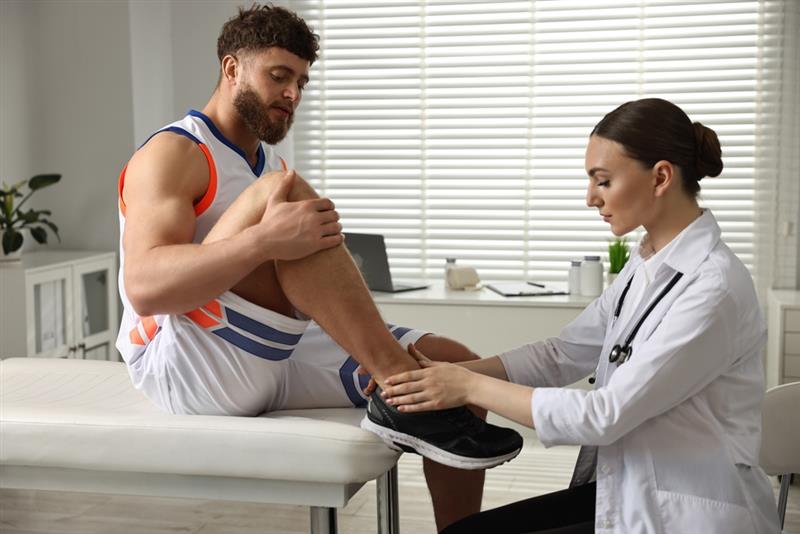
3. Achievo Pressure Biofeedback System
The Achievo Pressure Biofeedback System provides visual and auditory feedback while performing selected exercises and movements.
The system helps clients understand whether they are activating the intended postural and core muscles correctly. This can make it easier for a physiotherapist to identify movement compensations and provide immediate feedback during rehabilitation.
Achievo biofeedback may be incorporated into core stability and postural retraining programs, particularly when accurate muscle activation and movement control are important treatment goals.
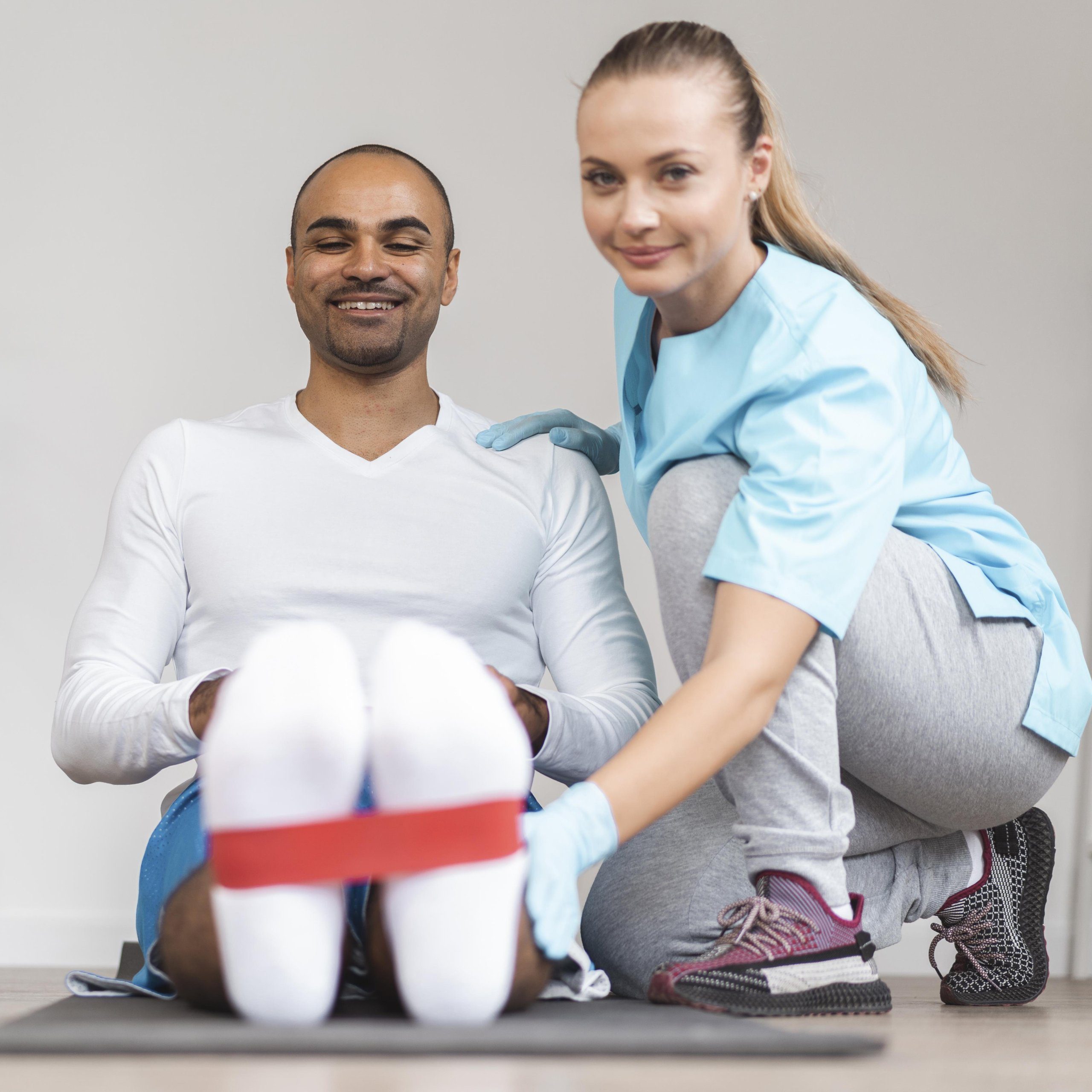
4. Incontinence Care Program
The Incontinence Care Program is designed to support people with pelvic floor muscle weakness and selected pelvic floor-related problems, including urinary leakage.
At Physio Asia, pelvic floor rehabilitation may use Real-Time Ultrasound Imaging and EMG Biofeedback to provide visual or other forms of feedback during pelvic floor muscle training.
Because pelvic floor muscles can be difficult to identify and activate correctly without guidance, feedback-based training can help clients understand their muscle activity and improve exercise technique.
The program is individualized according to the client’s symptoms and presentation. It may be relevant to pelvic floor concerns associated with factors such as childbirth, ageing, post-surgical recovery, or muscle weakness.
Learn more about our Women’s Health Physiotherapy in Singapore and the pelvic floor rehabilitation services available at Physio Asia.

5. Real-Time Ultrasound Imaging (RTUS)
Real-Time Ultrasound Imaging (RTUS) uses sound waves to create a live image of muscles and tissues on a screen while specific movements or exercises are performed.
It can be particularly useful when assessing or training deeper muscles, including the deep core and pelvic floor muscles, which may be difficult for clients to feel directly.
During rehabilitation, RTUS allows the physiotherapist and client to observe muscle activation in real time. This can help guide exercise technique and improve understanding of the intended movement.
At Physio Asia Therapy Centre, RTUS may be incorporated into programs such as the SCORES Back Care Program and pelvic floor rehabilitation, depending on the individual’s assessment and treatment needs.
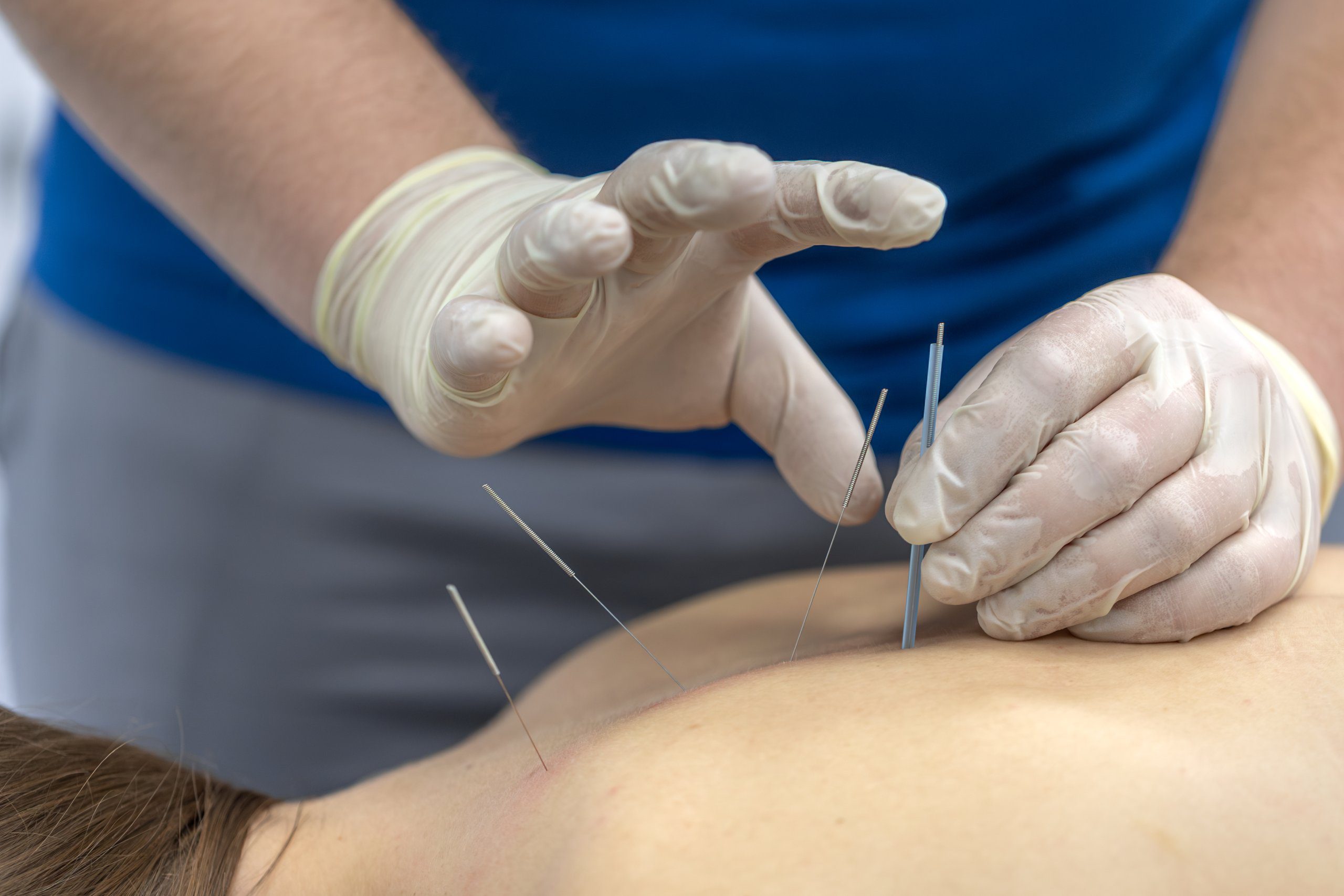
6. Dry Needling
Dry Needling is a physiotherapy technique in which fine, acupuncture-type needles are inserted into selected areas of a muscle, including myofascial trigger points.
The technique may produce a brief local twitch response and is used by trained practitioners as part of a broader treatment plan for selected musculoskeletal conditions.
Dry Needling is generally not used as a standalone solution. Depending on the individual’s presentation, it may be combined with manual therapy, mobility exercises, strengthening, and other rehabilitation strategies.
The suitability of Dry Needling is determined following an appropriate assessment.
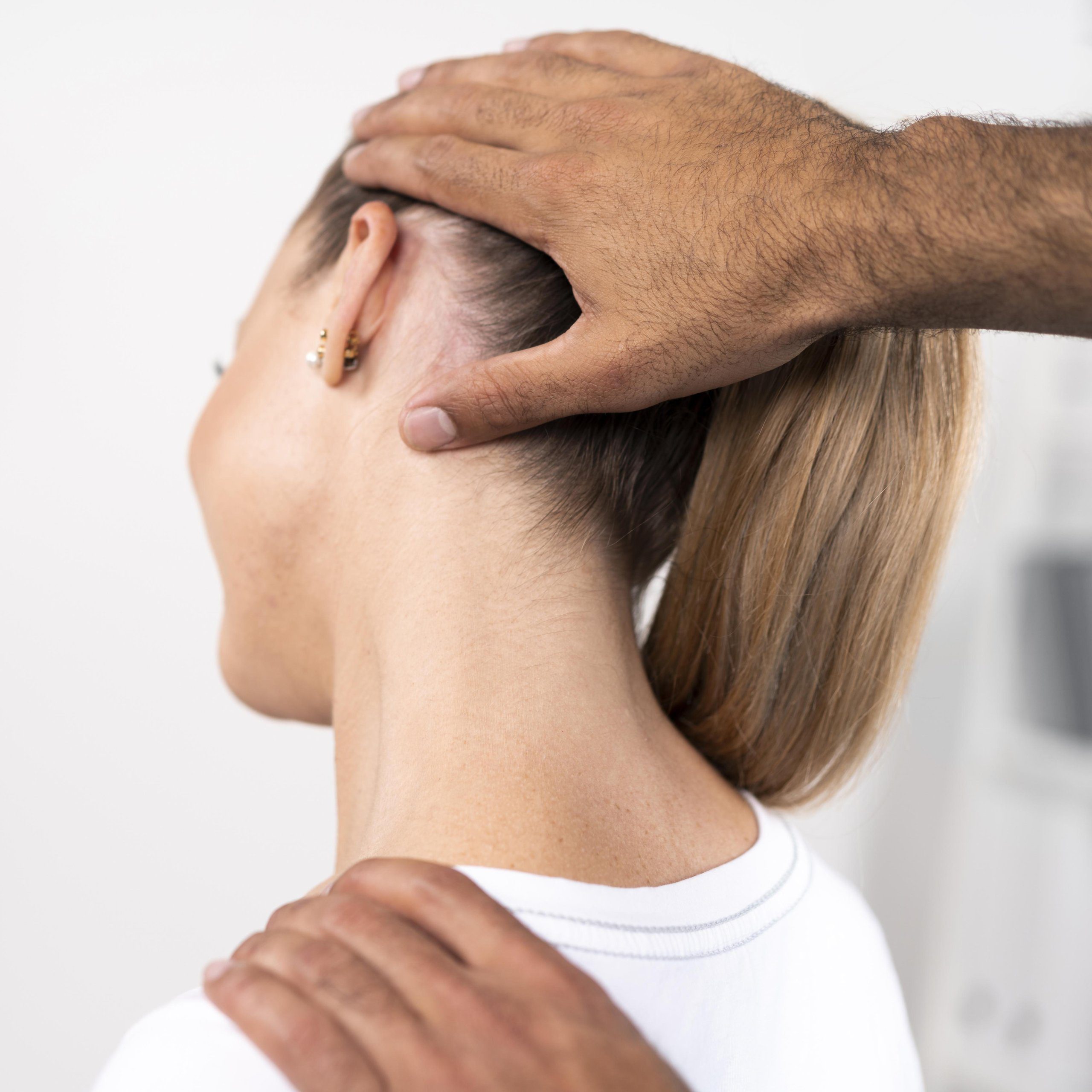
7. Spinal Decompression Therapy for Back or Neck Pain
Spinal Decompression Therapy is a specialized treatment approach used at Physio Asia for selected spinal conditions, including disc-related back or neck problems.
Physio Asia uses specialized decompression systems, including the DOC System from the USA and Trac Pro V2U from Singapore. These systems allow treatment parameters and positioning to be adjusted according to the individual’s presentation.
The treatment may be considered for people experiencing symptoms associated with conditions such as disc herniation or prolapse. Depending on the assessment, decompression may be combined with manual therapy, core rehabilitation, and targeted exercises.
For a more detailed explanation of this treatment, visit our Spinal Decompression Therapy for Back and Neck Pain page.
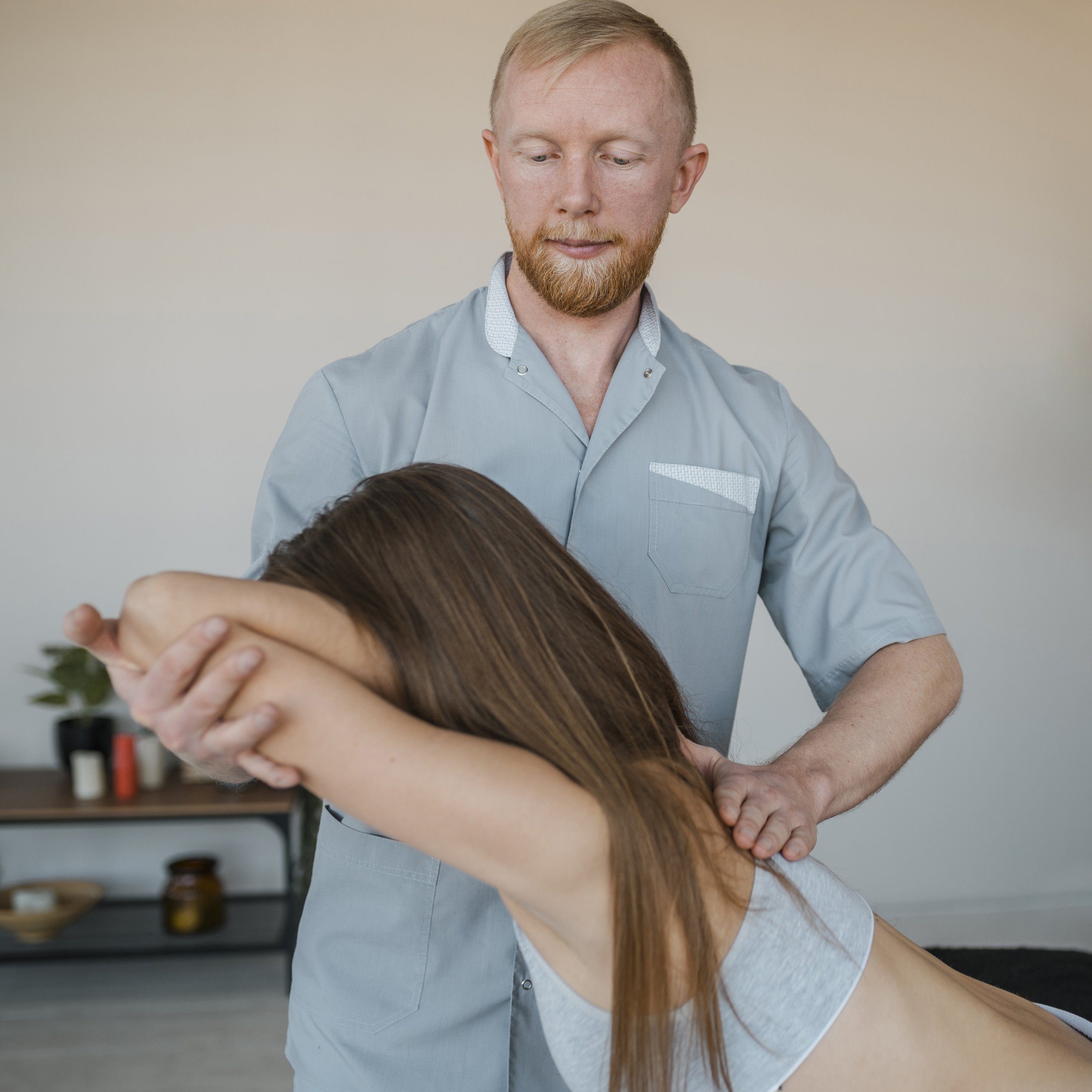
8. Manual Therapy and Mobilization
Manual Therapy and Mobilization is a hands-on physiotherapy approach used to address restrictions in joint movement, soft-tissue mobility, muscle tension, and functional movement.
Depending on the assessment, a physiotherapist may use targeted joint mobilization, soft-tissue techniques, stretching, or other hands-on approaches.
Manual therapy can be used to help manage pain and stiffness and improve movement before progressing to active rehabilitation. It is often combined with exercise-based treatment to address both symptoms and physical function.
At Physio Asia, manual therapy forms part of a broader individualized physiotherapy approach rather than being used as a one-size-fits-all treatment.
9. WIN Plate
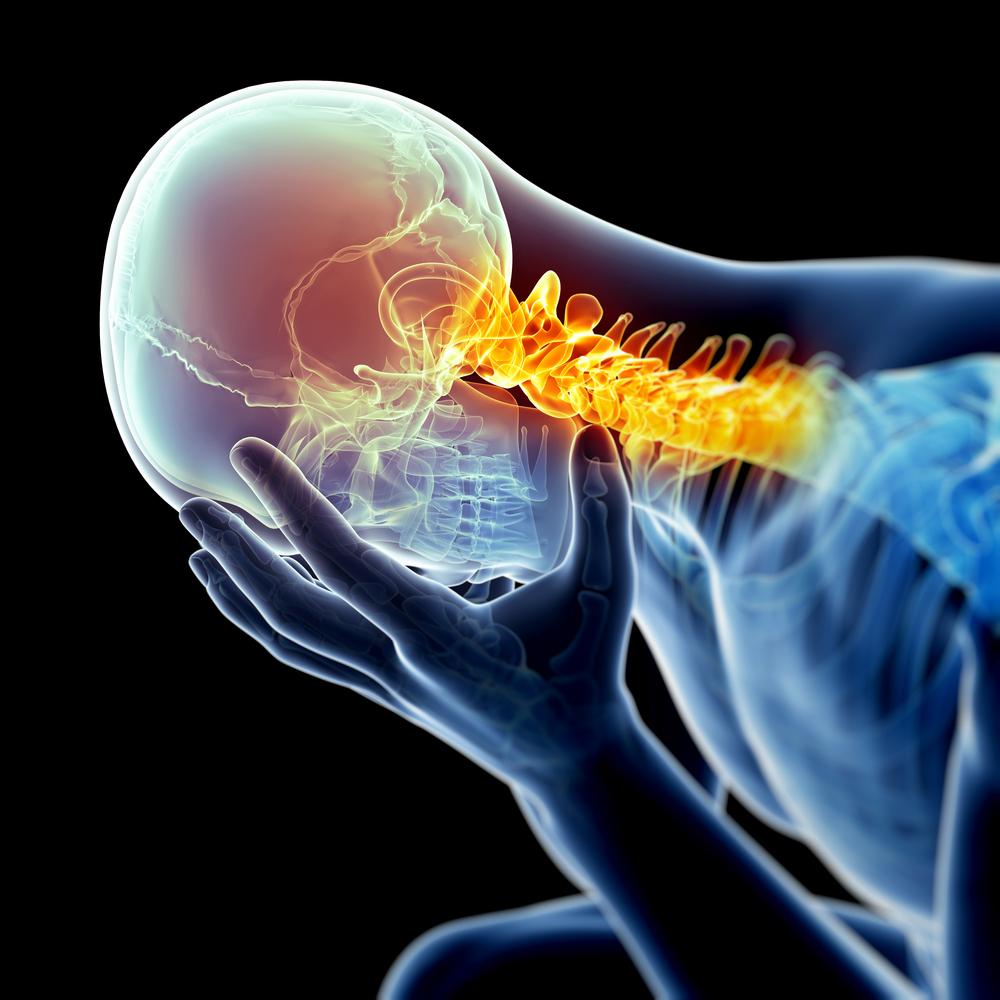
The WIN Plate is an advanced vibration-based training device that can be incorporated into selected strengthening and flexibility programs.
Vibration can provide an additional stimulus during certain exercises and may be used to support muscle activation, balance, strength, or flexibility depending on the individual’s rehabilitation goals.
The intensity and exercise selection can be adjusted according to the client’s ability and stage of rehabilitation. It may be incorporated into rehabilitation programs as well as selected sports and performance training.
For clients looking to combine rehabilitation with structured exercise, our Physio-Led Exercise Classes provide individualized exercise options under physiotherapy guidance.
10. Running and Walking Injury Assessment
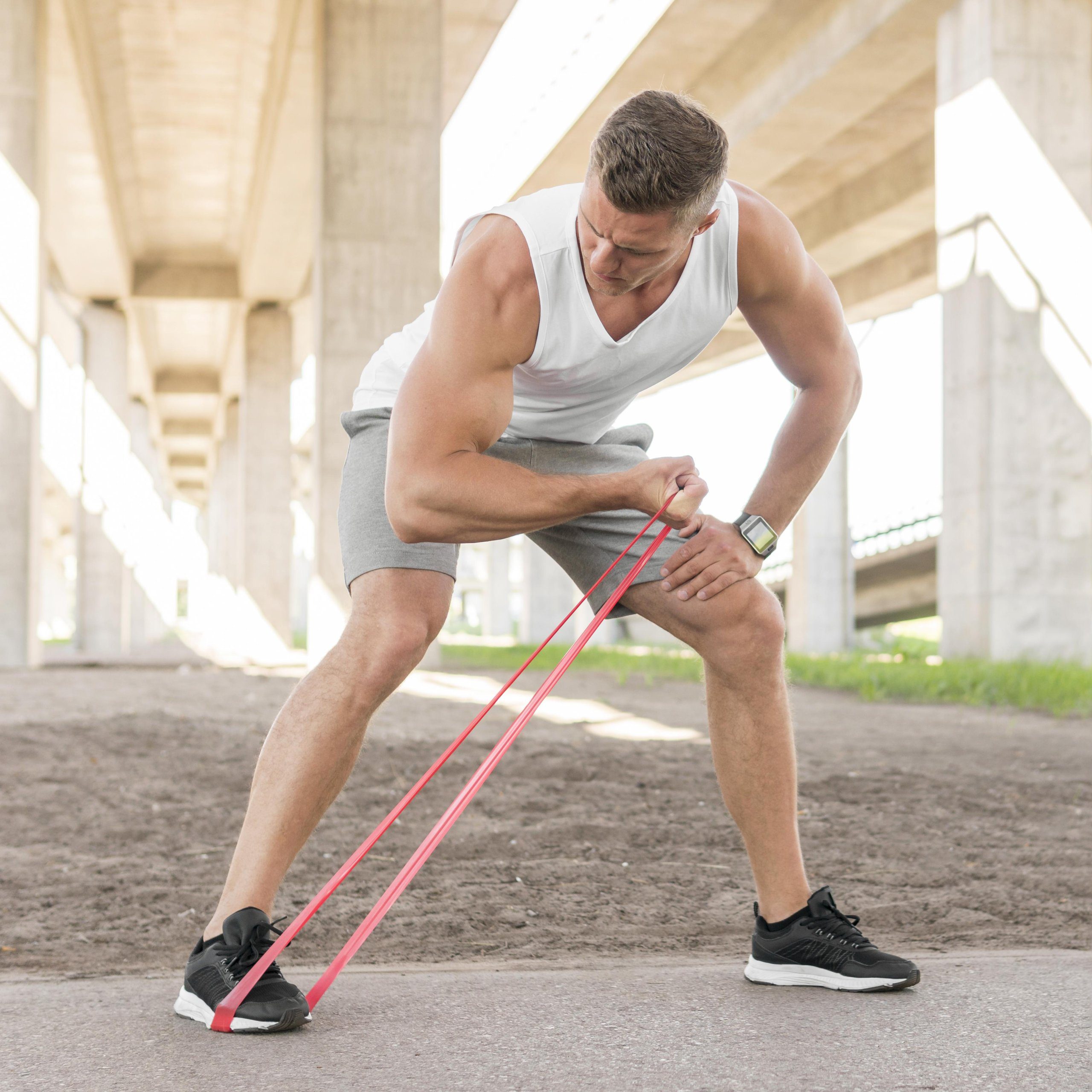
Our Running and Walking Injury Assessment uses a 3D Gait Lab system with multiple cameras and reflective markers to capture movement data while a client walks or runs.
The assessment can provide objective information about aspects of movement and biomechanics that may contribute to pain, reduced performance, or recurring injury.
By examining movement patterns during walking or running, the physiotherapist can better understand potential contributing factors and develop a rehabilitation or training strategy based on the individual’s findings.
This type of assessment can be particularly relevant for runners, athletes, and people experiencing recurring lower-limb or walking-related problems.
You can also explore our Sports Injury Physiotherapy in Singapore for broader information about sports injury management, rehabilitation, and return-to-activity planning.
Who May Benefit From Specialized Techniques?
Specialized physiotherapy techniques may be considered for people experiencing a range of musculoskeletal, sports, spinal, and pelvic floor concerns.
Depending on the assessment, these techniques may be incorporated into rehabilitation for:
- Chronic or recurrent back and neck pain
- Disc-related spinal conditions
- Muscle tension and trigger points
- Selected tendon-related conditions
- Pelvic floor muscle weakness
- Urinary incontinence
- Sports injuries
- Running and walking-related problems
- Movement and postural dysfunction
- Reduced strength, mobility, or muscle control
Not every technique is suitable for every person. Your physiotherapist will determine which treatment options are appropriate after assessing your condition.
How Do Specialized Physiotherapy Techniques Work?
Specialized techniques are not selected simply because they use advanced equipment or technology. The right approach depends on the individual’s condition and treatment goals.
At Physio Asia Therapy Centre, the process generally involves:
- Assessment – Your physiotherapist evaluates your symptoms, movement, strength, mobility, functional limitations, and relevant medical or activity history.
- Treatment planning – Based on the assessment, the physiotherapist identifies suitable treatment options and rehabilitation goals.
- Targeted treatment – A specialized technique may be used when clinically appropriate, alongside other physiotherapy interventions.
- Active rehabilitation – Exercises and movement retraining may be introduced to build strength, mobility, coordination, and function.
- Progress monitoring – Your response to treatment is reviewed and the rehabilitation plan can be adjusted as your condition changes.
This individualized approach is consistent with Physio Asia’s emphasis on assessment, treatment, prevention, and evidence-informed physiotherapy practice.
Why Choose Physio Asia for Specialized Techniques in Singapore?
Physio Asia Therapy Centre has provided physiotherapy and rehabilitation services in Singapore since 2006. The clinic combines physiotherapy expertise with technology and evidence-informed clinical practices to provide individualized care.
Our approach is focused on understanding the underlying movement and functional issues rather than relying on a single treatment technique. Depending on your needs, specialized technology can be integrated with manual therapy, therapeutic exercise, education, and rehabilitation.
If you are unsure which treatment may be appropriate for your symptoms, an initial physiotherapy assessment can help determine the most suitable approach.
Frequently Asked Questions
What are specialized techniques in physiotherapy?
Specialized techniques are advanced physiotherapy methods, equipment, and technologies used to assess or treat specific conditions. They may be combined with manual therapy, exercise, and rehabilitation according to an individual’s needs.
What is Shock Wave Radial Therapy used for?
Shock Wave Radial Therapy uses acoustic waves applied to a targeted area. It may be used as part of physiotherapy management for selected tendon-related problems, muscle tension, trigger points, and persistent musculoskeletal symptoms.
How does the SCORES Back Care Program help with back pain?
The SCORES Back Care Program combines individualized strengthening and flexibility exercises with tools such as Real-Time Ultrasound and pressure biofeedback to help clients understand and improve core muscle activation and spinal stability.
What is Real-Time Ultrasound Imaging used for?
Real-Time Ultrasound Imaging produces live images of muscles and tissues during specific movements. It can help physiotherapists and clients observe the activation of deeper muscles, including the core and pelvic floor.
Is Dry Needling painful?
Dry Needling may cause brief discomfort when the needle is inserted or when a local twitch response occurs. Your physiotherapist will explain the procedure and determine whether it is appropriate for you.
What is the Incontinence Care Program?
The Incontinence Care Program supports pelvic floor muscle training for selected cases of urinary incontinence and pelvic floor dysfunction. Physio Asia may use Real-Time Ultrasound Imaging and EMG Biofeedback to provide feedback during training.
How can Spinal Decompression Therapy help with disc-related problems?
Spinal Decompression Therapy uses controlled, adjustable treatment forces and positioning for selected disc-related spinal conditions. It may be combined with exercises and other physiotherapy treatments depending on the individual’s assessment.
What is the 3D Gait Lab used for?
The 3D Gait Lab captures movement data during walking and running. This information can help identify biomechanical movement patterns that may contribute to pain, reduced performance, or recurring injury.
Do I need a referral to access specialized physiotherapy techniques in Singapore?
A referral may not always be required for physiotherapy, but requirements can vary depending on the treatment and individual circumstances. Contact Physio Asia to discuss your condition and determine the appropriate next step.
Where can I access specialized techniques in Singapore?
Specialized physiotherapy techniques are available at Physio Asia Therapy Centre in Singapore. The clinic has locations at Orchard Road and Siglap.
Start Your Physiotherapy Assessment
If pain, stiffness, weakness, recurring injury, or movement difficulties are affecting your daily activities or physical performance, specialized physiotherapy may be one part of your rehabilitation plan.
At Physio Asia Therapy Centre, our physiotherapists assess your condition first and then recommend treatment options based on your individual needs and goals.
Contact Physio Asia Therapy Centre to arrange an assessment and find out which physiotherapy approach may be suitable for you.