
 (+65)67364142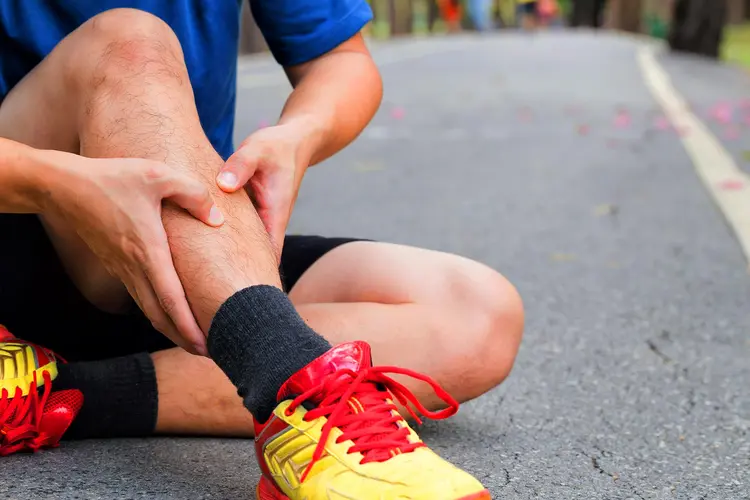
Shin splints, medically known as Medial Tibial Stress Syndrome (MTSS), are a common and often painful condition that affects athletes, military personnel, and individuals who engage in high-impact activities. Characterized by a dull, aching pain along the inner edge of the shinbone, this overuse injury can sideline even the most dedicated individuals. While rest is often the first and most obvious step in recovery, it is merely the beginning of a comprehensive treatment plan. Effective and long-lasting relief from shin splints requires a multifaceted approach that addresses the underlying causes, focusing on professional guidance, targeted stretches, and smart recovery strategies.
Decoding Shin Splints: Understanding the Injury and Its Causes
Before delving into treatment, it is essential to understand what shin splints are and why they occur. The term “shin splints” is a general description for pain in the lower leg, specifically along the tibia (shinbone). This pain is caused by inflammation and irritation of the muscles, tendons, and bone tissue where they attach to the shinbone. It is fundamentally an overuse injury, resulting from repetitive stress on the lower leg.
Several factors can contribute to the development of shin splints, often in combination:
- Sudden Increase in Activity: One of the most common culprits is a rapid increase in the intensity, duration, or frequency of exercise. This is why shin splints are prevalent among new runners, individuals starting a new sport, or athletes returning to training after a break. The body, specifically the lower leg muscles, simply doesn’t have enough time to adapt to the new workload.
- Biomechanical Issues: Foot mechanics play a crucial role. Individuals with flat feet (overpronation) or high arches are more susceptible to shin splints. These conditions can cause uneven distribution of force across the lower leg, placing excessive stress on the muscles and shinbone.
- Improper Footwear: Worn-out or ill-fitting shoes lack adequate support and shock absorption, increasing the impact on the lower legs during activities like running or jumping.
- Training Surfaces: Running or exercising on hard, unforgiving surfaces like concrete or asphalt can significantly increase the impact on the legs compared to softer surfaces like grass or a synthetic track.
- Muscle Imbalances: Weak or tight calf muscles, as well as a weak core and hip muscles, can affect gait and posture, leading to improper biomechanics and an increased load on the shin muscles.
It is also critical to differentiate shin splints from a stress fracture. While the symptoms can be similar, a stress fracture is a tiny crack in the bone itself, whereas shin splints are an inflammation of the soft tissues and bone surface. Pain from a stress fracture is typically more localized to one specific, tender spot and may persist even at rest, whereas shin splint pain is often spread out along a larger area of the shin and tends to subside with rest. An accurate diagnosis is vital to ensure the correct course of treatment.
The Pivotal Role of Physiotherapy in Shin Splints Recovery
While rest and self-care are initial steps, physiotherapy provides the expert guidance necessary for a complete and lasting recovery. A physiotherapist’s approach is not just about pain relief; it’s about correcting the underlying issues that led to the injury in the first place.
Comprehensive Assessment and Diagnosis
A physiotherapy program begins with a thorough assessment. The therapist will evaluate the individual’s gait, posture, foot mechanics, muscle strength, and flexibility. This detailed analysis helps pinpoint the exact biomechanical factors contributing to the shin splints. They will perform specific tests to confirm the diagnosis and rule out more serious conditions like a stress fracture.
Core Physiotherapy Treatment Modalities
Based on the assessment, a personalized treatment plan is developed, often incorporating a combination of the following:
- Manual Therapy: This hands-on approach is used to release tension and improve circulation in the affected area. Techniques may include:
- Soft Tissue Mobilization: Deep tissue massage and myofascial release to reduce tightness and inflammation in the calf and shin muscles.
- Joint Mobilization: Gentle, controlled movements to improve ankle and foot joint mobility, ensuring proper function.
- Therapeutic Exercises: A structured exercise program is the cornerstone of physiotherapy for shin splints. It’s designed to improve flexibility, strength, and endurance.
- Stretching: Key stretches target the calf muscles (gastrocnemius and soleus) and the shin muscles (tibialis anterior). Regular stretching helps to relieve tension and improve muscle length, which can reduce the pulling force on the shinbone.
- Strengthening: Exercises for the lower leg muscles are crucial. Examples include toe raises, heel raises, and ankle alphabet exercises to strengthen the muscles that support the shin. Strengthening the core and hip muscles is also important, as these muscles play a critical role in controlling lower leg movement and absorbing impact.
- Physical Modalities: Modern physiotherapy often incorporates advanced technologies to accelerate healing.
- Ultrasound and Laser Therapy: These modalities use energy to penetrate deep into the tissues, promoting blood flow, reducing inflammation, and stimulating the healing process.
- Shockwave Therapy: This non-invasive treatment uses acoustic waves to stimulate tissue regeneration, particularly useful for chronic or stubborn cases.
- Taping and Orthotics: The use of supportive taping (e.g., Kinesio Taping) can help offload stress from the affected muscles. Furthermore, a physiotherapist can recommend or prescribe custom-made orthotics to correct foot alignment and provide long-term support.
Essential Stretches and Exercises for Relief and Prevention
A consistent home exercise program is vital for recovery and preventing the recurrence of shin splints. These exercises, when performed correctly, can make a substantial difference.
- Calf Stretches (Gastrocnemius and Soleus):
- Gastrocnemius Stretch: Stand facing a wall, place your hands on it for support. Place one foot forward and the other back, keeping the back leg straight and the heel on the floor. Lean forward until your back leg’s calf starts to stretch. Hold for 30 seconds and repeat.
- Soleus Stretch: From the same position, bend your back knee slightly while keeping the heel on the floor. This targets the lower part of the calf. Hold for 30 seconds.
- Tibialis Anterior Stretch: Kneel on the floor with your toes pointed back behind you. Gently lean back onto your heels, feeling the stretch along the front of your shins. For a deeper stretch, slowly lift your knees off the floor.
- Ankle Alphabet: Sit with your leg extended. Using your big toe, “write” the letters of the alphabet in the air. This improves ankle mobility and range of motion.
- Strengthening Exercises:
- Heel Raises: Stand with feet shoulder-width apart and slowly rise onto your toes, holding for a few seconds before lowering back down.
- Toe Raises: Stand on your heels and slowly lift your toes and the front of your feet off the floor. This strengthens the tibialis anterior muscle.
Key Recovery and Prevention Tips
The recovery from shin splints requires patience and smart lifestyle adjustments.
- Follow the RICE Protocol: In the initial stages, the RICE method is highly effective.
- Rest: Stop the activity that caused the pain. This is non-negotiable.
- Ice: Apply a cold pack to the affected area for 15-20 minutes several times a day to reduce inflammation.
- Compression: Wear a compression sleeve or bandage to help minimize swelling.
- Elevation: Elevate your leg whenever possible to reduce swelling.
- Gradual Return to Activity: Do not rush back into your previous routine. The “10% Rule” is a good guideline: do not increase your weekly mileage, intensity, or duration by more than 10%. If pain returns, ease back on the activity level immediately.
- Choose the Right Footwear: Ensure your athletic shoes are not worn out and provide proper support for your foot type. Consult with a specialist at a running shoe store or a physiotherapist for a professional fitting.
- Cross-Training: Incorporate low-impact activities like swimming, cycling, or using an elliptical machine into your routine. This allows you to maintain cardiovascular fitness while giving your shins a break from high-impact stress.
- Listen to Your Body: Pay close attention to pain signals. Pain is your body’s way of telling you that something is wrong. Pushing through the pain can turn a minor shin splint into a more severe and prolonged injury, or even a stress fracture.
In conclusion, effective shin splints treatment is a comprehensive process that goes beyond simple rest. By combining professional physiotherapy, targeted stretches, and smart recovery strategies, individuals can not only heal from this painful condition but also prevent its recurrence. Understanding the causes and implementing a personalized, evidence-based plan is key to a successful recovery. Physio Asia Therapy Centre is an award-winning clinic dedicated to providing efficient, effective, and evidence-based physiotherapy and rehabilitation services in Singapore.