
 (+65)67364142
 Shoulder

Shoulder Pain Physiotherapy in Singapore
Struggling to raise your arm to grab something off a high shelf, reach behind your back to fasten a zip, or sleep through the night because your shoulder keeps waking you up? Shoulder pain physiotherapy in Singapore is one of the most requested services at our clinic, because shoulder problems – whether frozen shoulder, rotator cuff tendinitis, or general stiffness – affect almost everything you do with your hands. Our approach is built around finding the exact cause of your discomfort before starting treatment, so you’re not just managing symptoms but fixing the underlying problem.
Key Facts at a Glance
- Conditions treated: frozen shoulder, rotator cuff tendinitis, calcific tendinitis, shoulder arthritis, instability, fractures
- Common treatments: Radial Shockwave Therapy, Laser Therapy, Taping, Exercise Therapy
- Typical shockwave course: 3-5 sessions for chronic rotator cuff tendinitis or frozen shoulder
- Clinic experience: helping Singapore patients recover since 2006
- Locations: Orchard Road and Siglap clinics
- Referral needed: No - you can see a physiotherapist directly in Singapore
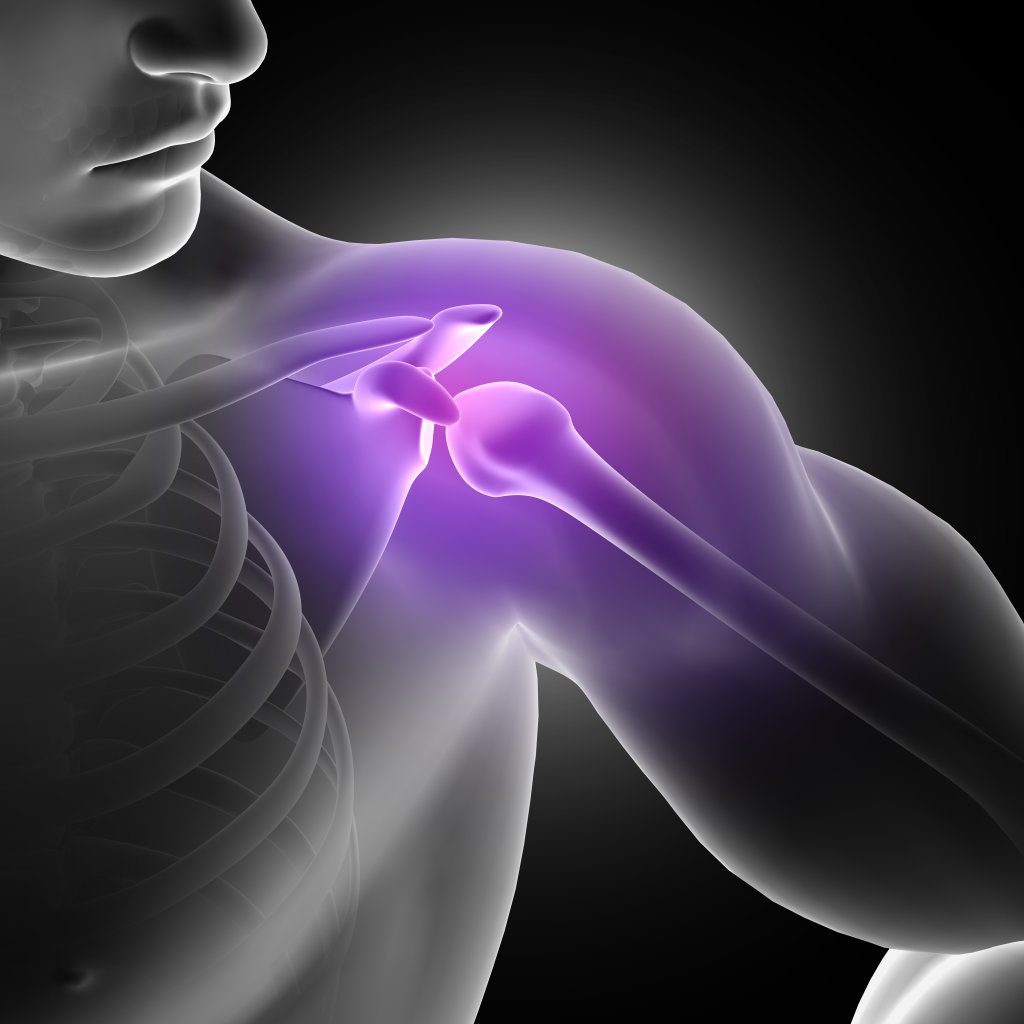
The shoulder is a “ball and socket” joint that relies heavily on a group of muscles called the rotator cuff, along with surrounding ligaments, to stay stable while allowing a huge range of motion. When these structures are strained, inflamed, or weakened, pain and stiffness follow quickly. Frozen shoulder and rotator cuff tendinitis are two of the most common shoulder conditions our physiotherapists in Singapore see, and both respond well to early, targeted treatment.
Signs You Might Have a Shoulder Problem
Shoulder pain can show up differently depending on the underlying cause. Common symptoms include:
- A sharp, sudden pull or pain in the middle of the upper arm during quick movements - often described as feeling like "a flash of lightning"
- Difficulty raising the arm sideways, forwards, or carrying objects like grocery bags
- Trouble reaching behind your back, such as fastening a bra strap or reaching for your back pocket
- Pain specifically in the mid-range of shoulder movement
- Shoulder pain that persists for more than a few days without improving
- Visible swelling or significant bruising around the shoulder or arm
- Pain that worsens at night or at rest, disrupting your sleep
If you’re experiencing any combination of these, it’s worth getting a proper assessment rather than pushing through it. Book an appointment with our team to get assessed early.

Common Shoulder Conditions We Treat
Frozen shoulder – marked by pain and a progressive, significant loss of range of motion in all directions. The capsule surrounding the shoulder joint becomes thickened and inflamed, almost “locking” the joint and causing severe stiffness. This is especially common among diabetics and women over 50.
Calcific tendinitis – calcium deposits forming within the tendon, causing swelling, tension and often a sharp, sudden pain.
Rotator cuff tendinitis (Painful Arc Syndrome / Supraspinatus Impingement) – the tendons of the rotator cuff pass through a tight space within the shoulder joint, making them prone to pinching, injury and inflammation. The supraspinatus tendon is among the most commonly affected.
Arthritis – rheumatoid arthritis frequently affects the shoulder joint, and often the neck as well.
Shoulder or collarbone fracture
Shoulder instability or weakness – occurs when the joint capsule, ligaments or surrounding muscles fail to keep the ball of the joint properly seated in its socket, leading to looseness, slipping, or capsule-related pain.
What Causes Shoulder Pain?
- Rotator cuff tendon inflammation
- Biceps tendon inflammation
- Falling onto an outstretched arm or directly onto the shoulder
- Fracture or shoulder labral tear
- Repetitive use and general wear and tear
- Bursitis - damage to the fluid-filled sac that cushions the tendon
- Overhead weightlifting done with poor technique
- Shoulder dislocation or subluxation
- Poor posture
- Poor breathing patterns

Our Shoulder Pain Physiotherapy Service in Singapore
Catching a shoulder problem early matters. Left untreated, shoulder issues can progress quickly, leading to muscle weakness, instability around the shoulder blade, and in more serious cases, frozen shoulder, neck pain or headaches. That’s why our shoulder pain physiotherapy services always begin with a thorough assessment to understand exactly what’s causing your symptoms, since treatment differs significantly depending on the underlying condition.
Our treatment approach may include:
- Radial Shockwave Therapy - high-energy shockwaves applied to the affected area, commonly used for chronic rotator cuff tendinitis or frozen shoulder. It boosts circulation, supports the body's natural healing response, and reduces inflammation. Most patients need only 3–5 sessions.
- Laser Therapy - targets localised pain areas to reduce discomfort and improve micro-circulation.
- Taping - adhesive taping applied to reduce strain on affected tissues during daily activity.
- Exercise Therapy - a combination of stretches to maintain shoulder mobility and a strengthening programme for the neck and shoulder to improve overall stability and control.
You can learn more about the equipment and methods used in our specialized physiotherapy techniques, including our shockwave therapy programme.
General Supporting Treatments
- Interferential Therapy - stimulates muscle and nerve fibres to reduce pain and inflammation
- Ultrasound Therapy - decreases tissue inflammation and reduces pain and swelling
- Shortwave Diathermy - helps reduce pain and muscle spasm
- Ergonomics Advice - practical guidance on improving neck and spine posture to reduce pressure on the shoulder, whether you're working from home or the office
For a broader look at how we structure treatment programmes, visit our outpatient physiotherapy services page, or explore our exercise classes for ongoing strength and mobility support after your initial recovery.
Shoulder pain often overlaps with other areas of the body – many patients with shoulder issues also experience neck pain or discomfort in the elbow, wrist and hand. If you’re noticing symptoms in more than one area, it’s worth having a full assessment rather than treating each area separately.
At Physio Asia Therapy Centre, our Singapore-based physiotherapists have been helping the community move and recover comfortably since 2006, combining hands-on manual therapy with proven technology-based treatments.
Ready to get your shoulder moving freely again? Book an appointment with our team today at our Orchard Road or Siglap clinics.
Frequently Asked Questions
What is shoulder pain physiotherapy?
Shoulder pain physiotherapy is a treatment approach that combines manual therapy, targeted exercises, and modalities like shockwave or laser therapy to reduce pain, restore movement, and rebuild strength around the shoulder joint.
How do I know if I need shoulder pain physiotherapy services?
If you’re having difficulty raising your arm, reaching behind your back, or if your shoulder pain lasts more than a few days, disrupts your sleep, or is accompanied by swelling, it’s a strong sign you should get a proper physiotherapy assessment.
What's the difference between frozen shoulder and rotator cuff tendinitis?
Frozen shoulder involves progressive stiffness and significant loss of movement in all directions due to thickening of the joint capsule. Rotator cuff tendinitis, on the other hand, usually involves sharp or aching pain during specific movements, particularly when lifting the arm overhead, without the same degree of total stiffness.
How many sessions of shockwave therapy are needed for frozen shoulder or rotator cuff pain?
Most patients undergoing Radial Shockwave Therapy for chronic rotator cuff tendinitis or frozen shoulder require around 3 to 5 sessions, though this can vary depending on the severity and duration of the condition.
Can shoulder pain physiotherapy services in Singapore help with night pain?
Yes. Shoulder pain that worsens at night is a common and treatable symptom. Physiotherapy techniques such as manual therapy, taping, and specific exercise programmes are often effective in reducing night pain and improving sleep quality.
Is frozen shoulder more common in certain people?
Yes, frozen shoulder is more commonly seen in diabetics and in women over the age of 50, though it can affect anyone. Early physiotherapy intervention can help manage symptoms and improve range of motion over time.
Do I need a doctor's referral before starting shoulder pain physiotherapy services?
In Singapore, you generally do not need a doctor’s referral to see a physiotherapist directly. However, if you require documentation for insurance or company medical claims, do check with your provider beforehand.
Can poor posture really cause shoulder pain?
Yes. Poor posture, particularly rounded shoulders and forward head position from prolonged desk or phone use, places extra strain on the shoulder and neck muscles, which can contribute to or worsen shoulder pain over time.
What can I do at home while waiting for my shoulder physiotherapy appointment?
Avoid activities that trigger sharp pain, support the arm during rest, and avoid sleeping directly on the affected shoulder. Gentle, pain-free movement is generally better than complete immobilisation, but it’s best to avoid aggressive stretching until you’ve been properly assessed
How long does shoulder physiotherapy take to work?
Many patients notice reduced pain within 2-3 sessions, though full recovery timelines vary: rotator cuff tendinitis often improves over 4-6 weeks of treatment, while frozen shoulder – being a slower, capsule-based condition – can take several months of consistent physiotherapy to regain full range of motion.
Where can I get reliable shoulder pain physiotherapy services in Singapore?
Look for a clinic with experienced physiotherapists who assess the root cause of your shoulder pain before starting treatment, and who offer a range of options from manual therapy to shockwave therapy. You can book a consultation with our team at our Orchard Road or Siglap clinics to get started.