
 (+65)67364142
 Physiotherapy Services
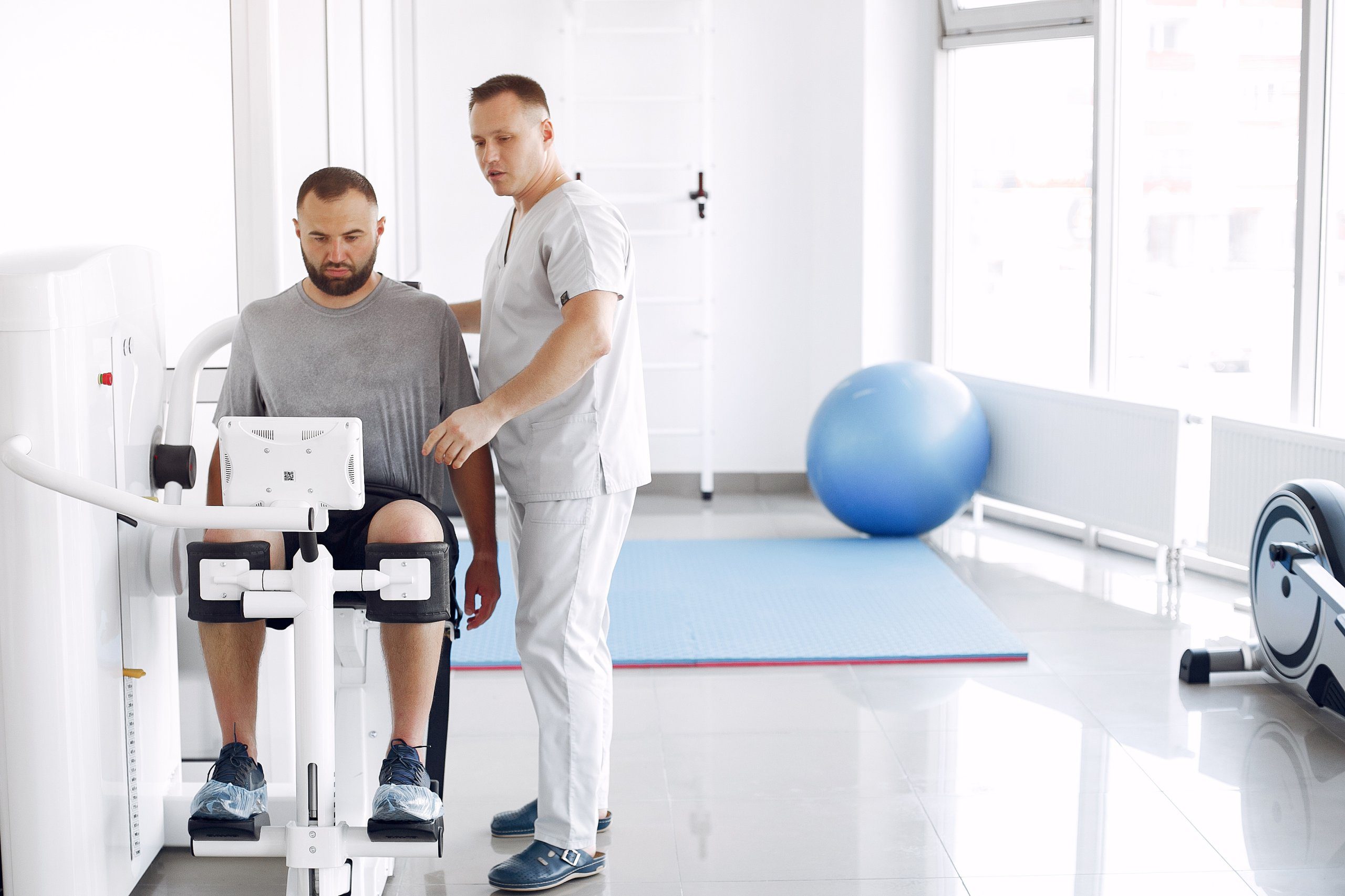
Physiotherapy Services in Singapore
At Physio Asia Therapy Centre, we help you relieve pain, restore movement, and get back to the activities you love. Founded in 2006, we combine evidence-based treatment with a personalised 3-step approach – Analysis, Treatment, Prevention so your recovery plan is built around your body, not a generic protocol.
Whether you’re recovering from an injury, managing a chronic condition, or simply want to move better, our licensed physiotherapists use the latest non-surgical, research-backed techniques across two Singapore locations.
Our Physiotherapy Services
Each treatment plan below is tailored to your condition and recovery goals, combining hands-on care with equipment and techniques matched to your specific diagnosis.

1. Outpatient Services
Outpatient Services are in-clinic physiotherapy sessions for musculoskeletal pain, post-surgical rehabilitation, sports injuries, and chronic conditions. Your first visit includes a full physical assessment, after which your physiotherapist builds a plan combining manual therapy, therapeutic exercise, and rehabilitation equipment – this is the starting point for most new patients, whether the issue is a recent injury or discomfort that hasn’t improved with rest.

2. Vocal Physiotherapy
Vocal Physiotherapy treats vocal strain, hoarseness, and throat or jaw tension in singers, teachers, actors, and other professional voice users. The underlying cause is often posture and breathing mechanics rather than the vocal cords themselves, so we assess all three before applying manual therapy and retraining exercises to restore healthy voice production — a specialised offering most general physio clinics don’t provide.
3. Performing Arts Physiotherapy
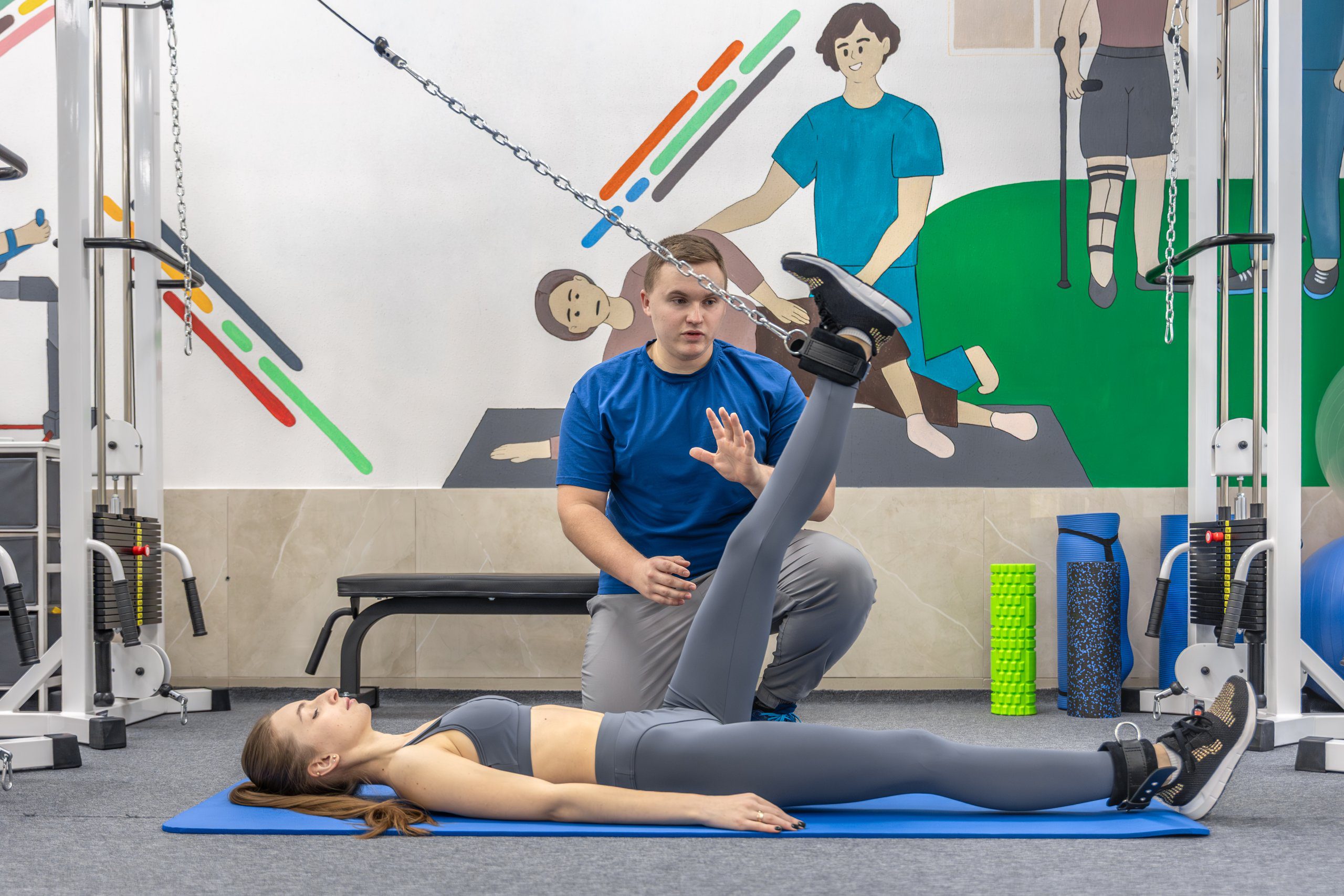
Performing Arts Physiotherapy treats the repetitive strain and overuse injuries that dancers, musicians, and performers develop from the specific physical demands of their discipline. Treatment focuses on injury prevention, movement efficiency, and getting performers back to training and performing with confidence — assessments are built around the performer’s instrument or discipline, not a generic movement screen.

4. Women's Health Physiotherapy
Women’s Health Physiotherapy supports women through pregnancy, postnatal recovery, and pelvic floor dysfunction. Assessment and treatment, including pelvic floor rehabilitation and core strengthening – is carried out discreetly and one-on-one, addressing needs that general clinics often overlook.
5. Home-Based Physiotherapy
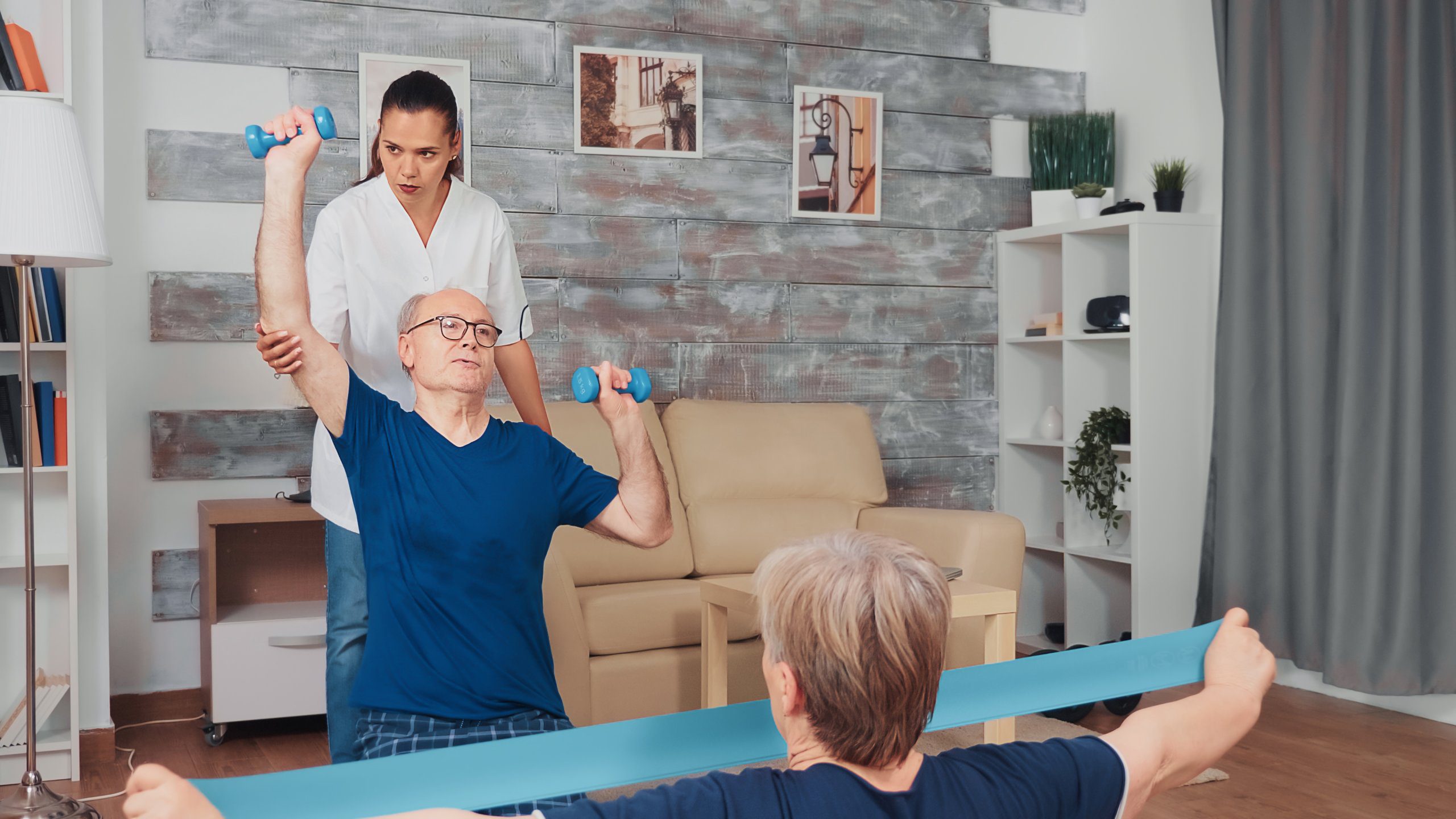
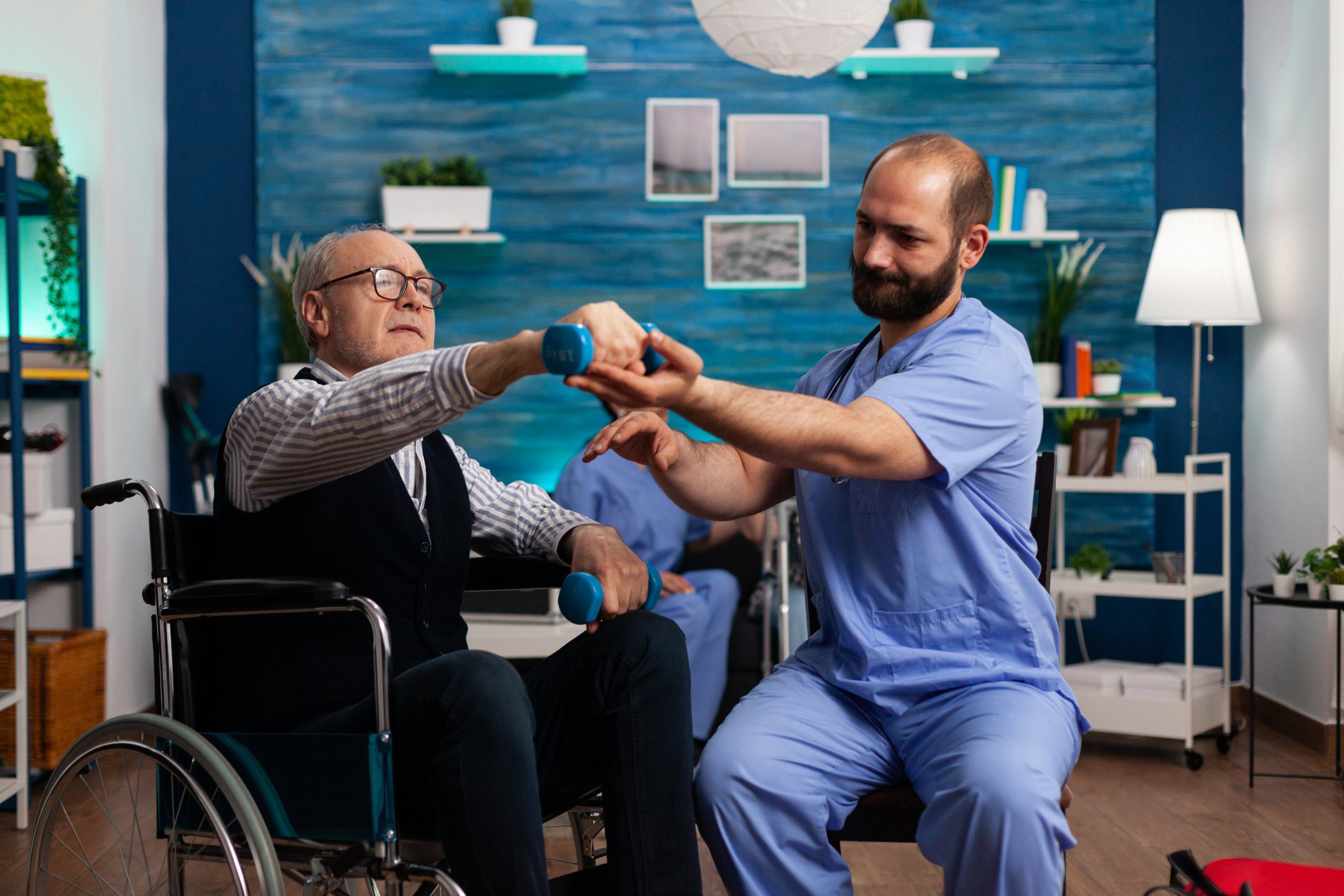
Home-Based Physiotherapy brings a physiotherapist and portable equipment to your home for assessment and treatment, for patients who can’t travel due to mobility limitations, post-surgical recovery, or a busy schedule — particularly useful for elderly and post-operative patients.
6. Exercise Classes
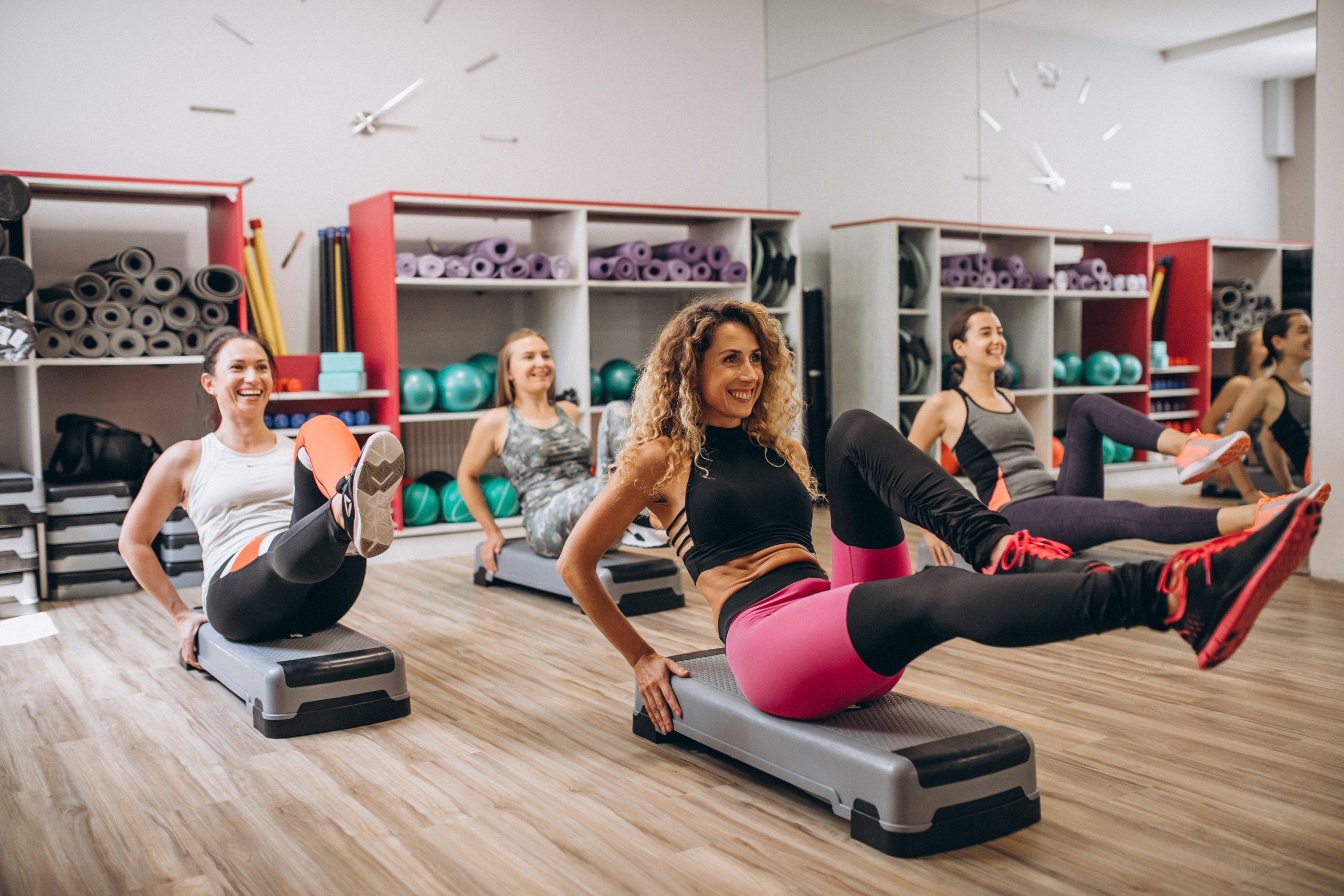
Exercise Classes are small-group, physiotherapist-led sessions for injury prevention, strength building, and long-term rehab maintenance. They’re designed as the bridge between one-on-one treatment and independent, sustainable movement habits once your initial plan is complete.
7. Specialized Techniques
Specialized Techniques are advanced, technology-driven treatment options used selectively for stubborn or complex conditions, including Shockwave Therapy, the SCORES Program, the Achievo Bio-Pressure System, Real-Time Ultrasound, Dry Needling, Spinal Decompression Therapy, Manual Therapy & Mobilization, WinPlate, and Gait Assessment. Which technique is used, if any, is decided during your initial assessment rather than applied by default.
Conditions We Treat
From acute injuries to chronic pain, here’s a guide to the areas of the body we specialise in.
Hips
Hip pain – from arthritis, bursitis, muscular imbalances, or post-surgical recovery – can affect walking and sitting. We assess hip joint mechanics, muscle strength, and gait patterns to build a plan of manual therapy, targeted strengthening, and mobility work.
Knee
Knee injuries, including ligament tears, meniscus damage, and osteoarthritis, are among the most functionally limiting conditions we treat. Our approach covers swelling management, manual therapy, and progressive strengthening to rebuild stability – whether you’re post-surgery or managing long-term wear.
Foot / Ankle
Foot and ankle problems – sprains, plantar fasciitis, and Achilles tendinopathy – disrupt walking, running, and balance. We combine manual therapy, gait assessment, and targeted strengthening to restore stability and prevent re-injury.
Sports Injury
Sports injury treatment covers ligament tears, muscle strains, and overuse injuries, with an approach focused on both recovery and performance. We work with athletes at every level, combining hands-on treatment, sport-specific rehab, and specialised techniques for a safe, timely return to competition.
Neck Pain
Neck pain, tension headaches, and cervical stiffness often stem from posture, prolonged screen use, or muscular tension. We assess spinal alignment, muscle tightness, and nerve involvement, then apply manual therapy, postural correction, and targeted stretching to restore range of motion.
Shoulder
Frozen shoulder, rotator cuff injuries, and impingement syndrome can significantly limit arm movement. We combine hands-on mobilization, strengthening, and activity modification to rebuild stability so you can return to work, sport, or daily tasks without restriction.
Elbows
Tennis elbow and golfer’s elbow typically result from repetitive strain. Treatment combines manual therapy, eccentric loading exercises, and – where appropriate – shockwave therapy to reduce inflammation and prevent the condition from becoming chronic.
Wrist
Wrist pain, including carpal tunnel syndrome and tendinitis, affects grip strength and fine motor control. We assess joint mobility, nerve function, and muscle balance around the wrist, then combine manual therapy, splinting advice, and progressive strengthening.
Lower Back
Lower back pain is one of the most common conditions we see, ranging from muscular strain to disc-related issues and sciatica. A detailed spinal assessment guides a plan of manual therapy, core stabilisation, and, where needed, spinal decompression therapy.
Why Choose Physio Asia Therapy Centre
- Trusted since 2006, with two locations - Orchard Road and Siglap
- Singapore Prestige Brand Award (2012 & 2018) and Singapore Quality Class accreditation
- Personalised 3-step approach: Analysis → Treatment → Prevention
- Full range of services, from general outpatient care to niche programs like vocal and performing arts physiotherapy
- Evidence-based, non-surgical treatment backed by modern technology
Frequently Asked Questions
What physiotherapy services does Physio Asia Therapy Centre offer?
Physio Asia offers a full range of physiotherapy services designed around each patient’s specific needs. This includes outpatient care for musculoskeletal pain, sports injuries, and post-surgical rehab; vocal physiotherapy for singers and professional voice users dealing with strain or hoarseness; performing arts physiotherapy for dancers, musicians, and performers; women’s health physiotherapy covering pregnancy, postnatal recovery, and pelvic floor dysfunction; home-based physiotherapy for patients who can’t travel to the clinic; small-group exercise classes for long-term rehab maintenance; and specialized techniques such as shockwave therapy, dry needling, spinal decompression therapy, and real-time ultrasound for more complex or stubborn conditions. Each patient’s plan is built individually using our Analysis, Treatment, and Prevention approach, rather than a one-size-fits-all protocol.
Do I need a doctor's referral for physiotherapy in Singapore?
No. You can book directly – a physiotherapist assesses your condition on your first visit and recommends a treatment plan.
Does Physio Asia offer home-based physiotherapy?
Yes. For patients who can’t travel to the clinic, a physiotherapist brings assessment and treatment to your home.
What conditions does Physio Asia treat?
Head and neck pain, shoulder injuries, elbow and wrist pain, lower back pain, hip issues, knee injuries, foot and ankle problems, and sports injuries.
How do I book an appointment?
Call (65) 6736 4142 or visit our Contact Us page.
What happens during my first session?
A detailed physical assessment of your condition, posture, and movement, followed by a personalised plan under our Analysis → Treatment → Prevention approach.
Does Physio Asia offer specialised physiotherapy for women and performers?
Yes – Women’s Health Physiotherapy for pregnancy, postnatal, and pelvic floor concerns, plus Vocal Physiotherapy and Performing Arts Physiotherapy for singers, dancers, and performers.
Where are Physio Asia's clinics located?
360 Orchard Road, #05-02 International Building, Singapore 238869, and 55 Siglap Road, #B1-19 Siglap Centre, Singapore 455871
What techniques are used in Physio Asia's services?
Shockwave Therapy, Dry Needling, Spinal Decompression Therapy, Real-Time Ultrasound, and Manual Therapy & Mobilization. See our Specialized Techniques page for details.
What should I bring to my first physiotherapy appointment?
Wear or bring comfortable, loose-fitting clothing that allows your physiotherapist to assess and treat the affected area, for example, shorts for a knee or hip issue, or a sleeveless top for a shoulder issue. Bring any relevant medical reports, scan results (X-ray, MRI, ultrasound), or referral letters if you have them, along with a list of current medications. These aren’t required to book a session, but they help your physiotherapist build a more accurate treatment plan from your very first visit.