
 (+65)67364142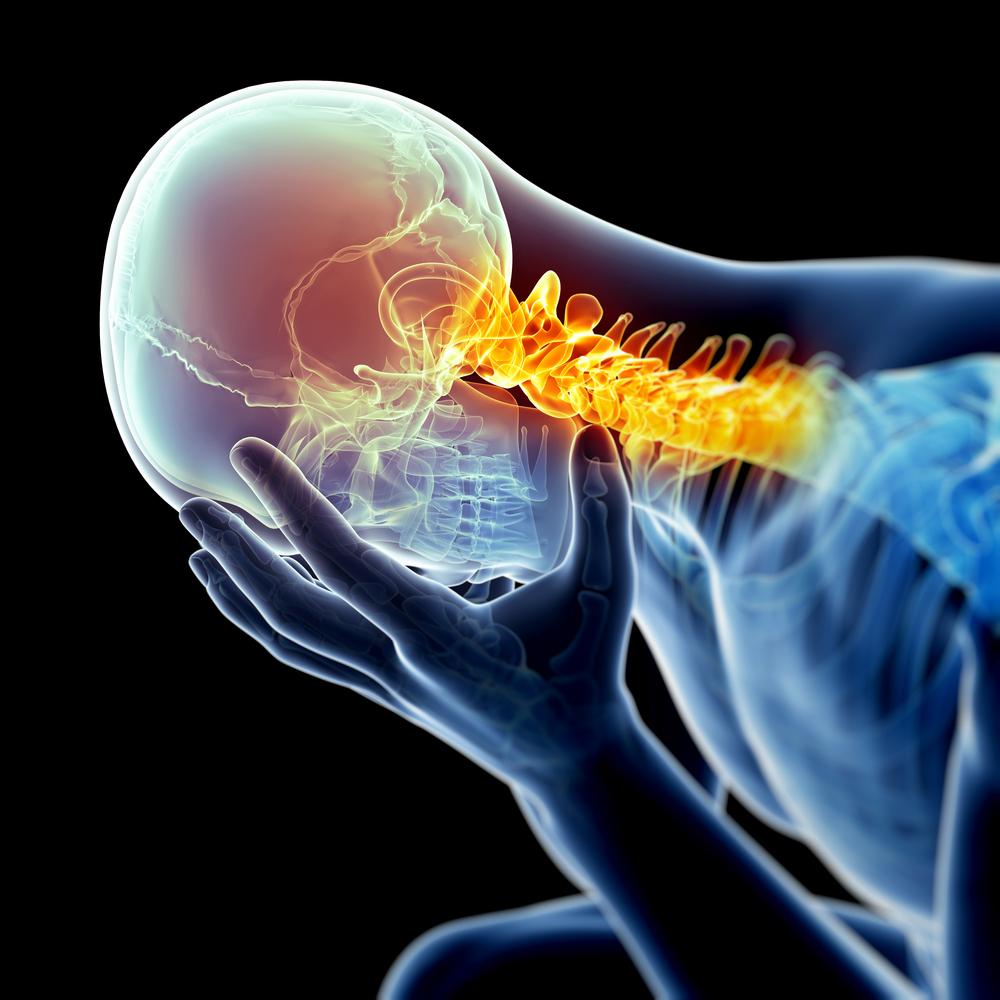
Headaches are one of the most common health complaints worldwide, and neck pain isn’t far behind. Interestingly, many people experience headache and neck pain together, which often raises the question: are they connected?
The answer is yes in many cases, headaches and neck pain are linked. Understanding this connection is crucial to finding effective relief and preventing chronic discomfort. In this article, we’ll explore the causes of neck-related headaches, the science behind the connection, treatment solutions, and when to seek professional help.
Understanding the Link Between Headache and Neck Pain
The neck, also known as the cervical spine, is a complex structure of bones, muscles, ligaments, and nerves that supports the head and allows mobility. When something in this region is strained, irritated, or inflamed, it can trigger pain that radiates upward, often presenting as a headache.
These types of headaches are often referred to as cervicogenic headaches-meaning they originate from neck dysfunction but are felt in the head. However, tension-type headaches and migraines can also be influenced or worsened by neck problems.
Common Causes of Headache Associated with Neck Pain
1. Poor Posture (“Tech Neck”)
Long hours spent hunched over computers and smartphones place significant strain on the cervical spine. This poor posture leads to muscle tightness in the neck and shoulders, which can trigger headaches.
Signs of posture-related headaches:
- Pain at the base of the skull
- Headache after long desk work
- Stiff shoulders and reduced neck mobility
Solution: Ergonomic corrections, posture training, and physiotherapy exercises.
2. Muscle Tension and Stress
Stress is a well-known trigger for both headaches and neck pain. Emotional stress often manifests physically, causing muscle tightness in the upper back, neck, and shoulders. This tension restricts blood flow and irritates surrounding nerves, leading to headaches.
Solution: Stress management strategies, relaxation exercises, massage therapy, and breathing techniques.
3. Cervical Spine Dysfunction
Conditions such as cervical spondylosis, herniated discs, or facet joint arthritis can irritate nerves and cause pain radiating from the neck to the head.
Symptoms:
- Pain radiating from neck to temples or forehead
- Stiffness in the cervical spine
- Tingling or numbness in arms (in severe cases)
Solution: Physiotherapy, posture correction, targeted exercises, and sometimes medical interventions.
4. Whiplash and Neck Injuries
Injuries such as whiplash from car accidents or sports can damage cervical muscles and ligaments. These injuries often result in persistent neck pain and recurrent headaches.
Solution: Early physiotherapy rehabilitation to restore function and prevent long-term complications.
5. Tension-Type Headaches
Tension headaches are often linked to neck stiffness and muscle imbalance. They usually feel like a tight band around the head and are aggravated by prolonged poor posture.
Solution: Regular stretching, ergonomic adjustments, relaxation techniques, and strengthening exercises.
6. Migraines with Neck Pain
Many migraine sufferers also report neck pain before or during an attack. While the exact link isn’t fully understood, research suggests that neck muscle tension and nerve irritation may trigger or worsen migraine episodes.
Solution: Migraine management plans supported by physiotherapy and relaxation techniques.
7. Other Underlying Conditions
In rare cases, serious issues such as infections, tumors, or neurological disorders may present with both headache and neck pain.
Red flags to watch for:
- Severe sudden headache with stiff neck
- Fever, nausea, or unexplained weight loss
- Loss of consciousness or neurological symptoms
Such symptoms require immediate medical evaluation.
Types of Headaches Connected to Neck Pain
- Cervicogenic Headaches – Originating from cervical spine dysfunction
- Tension-Type Headaches – Related to muscle tension and poor posture
- Migraines with Neck Pain – Neurological headaches influenced by neck triggers
- Post-Injury Headaches – After whiplash or cervical trauma
Symptoms That Suggest Your Headache is Neck-Related
- Pain starts at the base of the skull and radiates forward
- Neck stiffness accompanies the headache
- Headache worsens with certain movements or posture
- One-sided headache with restricted neck movement
- Relief after neck treatment or physiotherapy
Recognising these symptoms can help you differentiate between primary headaches (like migraines) and secondary headaches related to the neck.
Effective Solutions for Headache and Neck Pain
1. Physiotherapy for Long-Term Relief
Why it works: Physiotherapy addresses the root causes of neck dysfunction that trigger headaches. A physiotherapist develops a personalised plan focusing on:
- Strengthening neck and upper back muscles
- Correcting posture and spinal alignment
- Restoring mobility with stretching and joint mobilisation
- Educating on ergonomic and lifestyle adjustments
Key physiotherapy techniques include:
- Manual therapy and massage
- Cervical mobilisation
- Posture retraining exercises
- Myofascial release
2. Ergonomics and Posture Correction
Simple lifestyle adjustments can make a big difference:
- Adjust computer screens to eye level
- Use ergonomic chairs and proper desk setup
- Take breaks every 30–60 minutes for stretching
- Avoid looking down at phones for prolonged periods
3. Heat and Cold Therapy
- Cold therapy: Helps reduce acute inflammation
- Heat therapy: Relaxes tight muscles and improves circulation
Both methods are effective for short-term relief.
4. Stress Management Techniques
Since stress is a significant trigger, techniques such as meditation, deep breathing, yoga, and progressive muscle relaxation can ease both neck tension and headache frequency.
5. Medications (Short-Term Relief)
Over-the-counter pain relievers like NSAIDs or acetaminophen may provide temporary relief. However, long-term reliance on medication is not recommended without addressing underlying causes.
6. Advanced Treatments (When Necessary)
For persistent or severe cases, doctors may recommend:
- Nerve blocks
- Trigger point injections
- Botox for chronic migraines
- Surgery in rare, extreme cervical spine conditions
7. Lifestyle and Preventive Strategies
- Stay active with regular exercise
- Maintain a healthy sleep routine
- Use supportive pillows to keep the cervical spine aligned
- Avoid excessive caffeine or alcohol, which can trigger headaches
When to See a Doctor Immediately
Seek professional help if your headache and neck pain are accompanied by:
- Sudden, severe headache
- Fever, nausea, or vomiting
- Loss of vision or double vision
- Numbness, weakness, or paralysis
- Loss of bladder or bowel control
These could indicate serious medical conditions requiring urgent care.
Conclusion
Headaches and neck pain are often closely connected, especially in today’s screen-heavy, fast-paced lifestyle. Whether caused by poor posture, muscle tension, cervical spine dysfunction, or stress, the neck often plays a central role in headache development.
The good news is that effective solutions exist. Physiotherapy is one of the most evidence-based, long-term treatments, helping restore posture, reduce tension, and improve spinal health. Complemented by ergonomic changes, stress management, and lifestyle adjustments, physiotherapy provides lasting relief and prevents recurrence. At Physio Asia Therapy Centre, we are dedicated to providing efficient, effective, and evidence-based physiotherapy and rehabilitation services in Singapore. Our expert physiotherapists design personalised recovery and prevention plans tailored to your needs-helping you break free from the cycle of headaches and neck pain.