
 (+65)67364142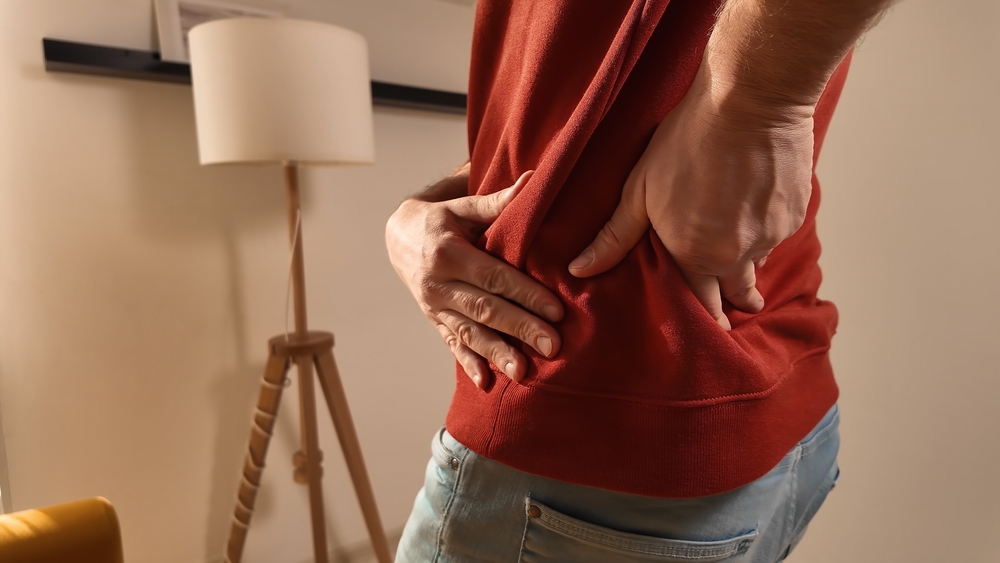
Sciatica is more than just back pain; it’s a radiating, often excruciating discomfort that can travel down your leg, disrupt your sleep, and interfere with your daily life. Affecting millions worldwide, sciatica stems from irritation or compression of the sciatic nerve, which runs from the lower back down to the feet.
While “some” recover easily, “some” fight debilitating symptoms that require effective management. If you’re dealing with sciatica, you’re not alone, and you don’t need to suffer in silence. This blog discusses highly rated, science-supported, and effective sciatica pain treatment approaches that work—just proven solutions.
Knowing the Source of Sciatica pain
Before delving into remedies, it’s essential to know what causes sciatica:
- Herniated or bulging disc (most prevalent)
- Spinal stenosis (spinal narrowing)
- Piriformis syndrome
- Degenerative disc disease
- Trauma or injury
- Pregnancy
The pain usually occurs on one side of the body and may come along with symptoms such as:
- Shooting leg pain
- Numbness or tingling sensation
- Weakened muscle
- Stiffness of the lower back
Since sciatica is a symptom of an underlying condition, treatment for it includes addressing the underlying cause and managing pain at the same time.
1. Physical Therapy and Targeted Exercises
Why it works: Sciatica usually responds well to certain stretching and strengthening exercises. A physical therapist can customise a program to your condition, alleviating nerve compression, building core strength, and enhancing posture.
Common helpful exercises:
- Pelvic tilts
- Knee-to-chest stretches
- Cat-cow stretch
- Piriformis stretch
- Hamstring stretches
Pro Tip: Don’t diagnose yourself. An experienced physiotherapist can test your spinal alignment, detect muscular imbalances, and create an Individual program. Regular sessions can minimise flare-ups and regain long-term mobility.
2. Heat and Cold Therapy
Why it works: Cold packs can decrease swelling, whereas heat therapy relaxes Tight muscles and improves circulation.
How to use:
Use cold (ice pack in a towel) for 15–20 minutes, a few times a day with early flare-ups.
Switch to heat (hot water bottle or heating pad) after a few days to relax doesn’t heal- it just eases the symptoms
Pro Tip: Do not use heat or ice on bare skin, and use each session sparingly to prevent damage to your skin.
3. Nonsteroidal Anti-inflammatory Drugs (NSAIDs)
Why it works: Short-term relief from pain can be achieved using over-the-counter NSAIDs such as ibuprofen (Advil) or naproxen (Aleve), which reduce inflammation in the area surrounding the nerve.
These drugs are particularly beneficial in the initial days when swelling is adding to nerve compression.
Note: Always be guided by dosages and consult your doctor, particularly if you have kidney problems, ulcers, or are taking other drugs.
4. Epidural Steroid Injections
Why it works: For acute or chronic sciatica, an injection of a corticosteroid into the spine may rapidly cause inflammation and pain.
The injections do not cure the underlying issue, but can relieve enough to permit physical therapy or changes in lifestyle to take hold effectively.
What to expect:
- Relief from pain may last between a few weeks to several months.
- Not done under X-ray
- Limit: Not more than three injections yearly are advised
Pro Tip: They are most effective when combined with a full plan, including exercise and rehab.
5. Dry Needling
How it works: Acupuncture stimulates the nerves and gives an increase in blood flow, which may promote healing and pain relief.
Some studies endorse acupuncture as an added therapy to sciatica, especially when combined with standard treatments.
How it assists:
- Releases endorphins (naturally occurring painkillers)
- Relaxes contracted muscles
- Reduces inflammation
Pro Tip: Seek a licensed, certified practitioner and always check credentials.
6. Manual Therapy
Why it works: Manual therapy can ease sciatica pain by loosening muscles (particularly in the lower back and buttocks) that could be compressing the sciatic nerve.
Key benefits:
- Improves circulation
- Promotes relaxation
- Decreases muscle spasms
Manual therapy will not address the structural underlying cause, but it will provide excellent relief and will decrease stress, which usually exacerbates chronic pain.
7. Lifestyle Changes
Sciatica tends to recur when underlying lifestyle issues are not corrected. Some significant long-term changes are:
Correct posture:
- Sit in ergonomic chairs
- Steer clear of prolonged sitting.
- Invest in lumbar rolls.
Healthy weight:
Excess weight puts additional pressure on your spine
Regular exercise:
Daily walking, swimming, or low-impact aerobics
8. Surgery (When All Else Fails)
Why it works: If conservative care is not working after 6–12 weeks, surgery can be an option if you have:
- Progressive leg weakness
- Loss of bladder/bowel control
- Disabling, severe pain
Typical surgeries for sciatica:
Microdiscectomy: Discovers and removes part of a herniated disc
Laminectomy: Discovers and removes part of the vertebrae to take pressure off the nerve
These treatments are highly successful and have fairly quick recovery periods when carried out by skilled surgeons.
Pro Tip: Always get a second opinion and try all non-surgical approaches first unless your symptoms are severe or getting worse.
The medical field is constantly evolving, and new treatments for sciatica pain are gaining popularity
9. Platelet-Rich Plasma (PRP) Therapy
- Radiofrequency ablation (RFA)
- Spinal cord stimulation
While others are yet to be researched, they might be worthy of discussion with a pain management physician.
When to See Your Doctor Right Away
Sciatica can typically be treated conservatively, but some red flags should call for immediate medical care:
- Abrupt, extreme weakness in the leg
- Numbness inside the thighs or about the groin (saddle anaesthesia)
- Loss of bowel or bladder function
- Unintentional loss of weight
- Back pain accompanied by fever
These may indicate cauda equina syndrome, an emergency that needs immediate surgery.
Last Words: Melding Treatment Strategies is Best
One treatment doesn’t fit all. The best pain relief from sciatica is a tailored mix of treatments, usually progressing from least to most aggressive as necessary.
An average course of treatment may involve:
- NSAIDs and rest for the first several days
- Start physical therapy and gentle exercise.
- Incorporate heat/cold, massage, or dry needing to alleviate symptoms.
Consistency is most important. Stick to daily exercises, lifestyle modifications, and follow-up treatment. With the correct plan, sciatica pain doesn’t have to less dramatic.
Takeaway
Life with sciatica can be frustrating, but there is hope for relief. With a less intense and multifaceted treatment plan, most individuals heal without surgery. Whether you’re just starting your recovery or exploring more advanced options, these top-rated treatments offer real hope for lasting pain relief.
Need help designing a personal sciatica recovery plan? Consult a licensed physiotherapist at Physio Asia Therapy Centre, your partner in recovery and long-term wellness. Take the first step toward lasting relief today.