
 (+65)67364142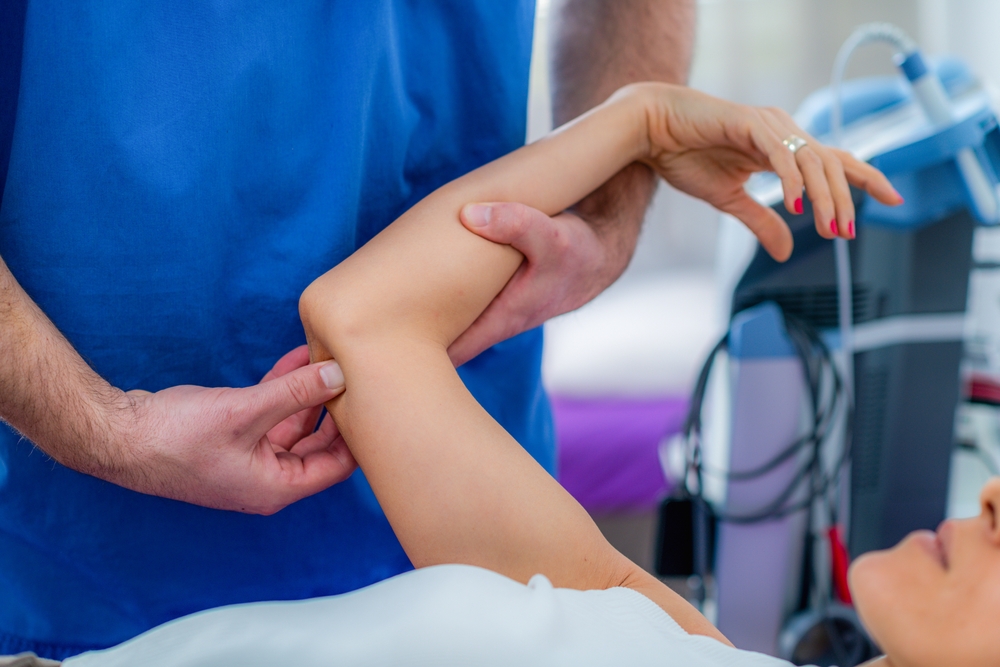
Elbow joint pain is a common and often debilitating condition that can significantly disrupt daily life, from simple tasks like lifting a coffee cup to engaging in a favorite sport. While the term “tennis elbow” is widely known, the reality is that this condition, medically termed lateral epicondylitis, and its counterpart, golfer’s elbow (medial epicondylitis), affect millions of people, many of whom have never stepped onto a court or a golf course. This article provides a detailed, professional, and compassionate guide to understanding, managing, and ultimately finding fast relief from elbow joint pain, ensuring you can regain function and comfort.
Understanding the Roots of Elbow Pain
The elbow is a complex hinge joint where three bones meet: the humerus in the upper arm and the radius and ulna in the forearm. It is stabilised by ligaments, surrounded by muscles, and powered by tendons. Pain in this joint is often a symptom of overuse and repetitive strain, leading to microscopic tears and inflammation in the tendons that attach to the bony bumps on either side of the elbow.
- Tennis Elbow (Lateral Epicondylitis): This is the most common cause of elbow pain. It affects the tendons on the outer side of the elbow, specifically those that extend the wrist and fingers. Activities involving repetitive gripping, lifting, or twisting of the forearm can lead to this condition. While tennis players are susceptible, so are painters, carpenters, plumbers, and anyone who frequently uses a computer mouse or performs manual labor.
- Golfer’s Elbow (Medial Epicondylitis): Less common than its counterpart, golfer’s elbow impacts the tendons on the inner side of the elbow, which are responsible for flexing the wrist. This condition is prevalent in golfers, pitchers, and individuals with jobs requiring repetitive wrist flexion and a strong grip.
The pain from both conditions can range from a dull ache to a sharp, burning sensation that radiates down the forearm. The goal of effective treatment is not only to provide fast relief but also to address the underlying cause to prevent recurrence.
Top Tips for Fast and Effective Elbow Joint Pain Relief
1. The R.I.C.E. Principle and Activity Modification
The first line of defense against acute elbow pain is often the R.I.C.E. principle: Rest, Ice, Compression, and Elevation.
- Rest and Activity Modification: While complete rest is sometimes necessary, it is not always the best long-term solution. The key is modifying activities that trigger pain. This could mean adjusting your grip on a tool, using ergonomic equipment, or changing your technique during a sport. Rest allows the injured tendons to begin the healing process, but a gradual return to activity is essential to strengthen the area and prevent stiffness. For the first 48 hours after an injury, avoid movements that cause pain and give the elbow a break.
- Ice Therapy: Applying an ice pack to the affected area for 15-20 minutes several times a day is highly effective in the first 48 hours. The cold temperature helps to constrict blood vessels, which reduces inflammation, swelling, and pain. Always wrap the ice pack in a towel to prevent skin damage.
- Heat Therapy: After the initial inflammatory phase (typically 48 hours), switching to heat therapy can be beneficial. A warm compress or heat pad can help relax tight muscles, improve blood circulation to the area, and promote tissue healing. This is particularly useful for chronic elbow pain.
- Compression: Using a compression sleeve or an elbow strap can provide support to the joint and help absorb some of the shock and strain during activity. A well-fitted brace can stabilise the muscles and tendons, reducing the load on the injured area.
- Elevation: Elevating the elbow above the heart, particularly when resting, can help reduce swelling by encouraging fluid drainage.
2. Gentle Stretching and Targeted Exercises
While rest is important, immobility can lead to joint stiffness and muscle weakness. A program of gentle stretching and strengthening exercises, once approved by a healthcare professional, is vital for long-term recovery and prevention.
Stretching:
- Wrist Extensor Stretch (for tennis elbow): With your arm extended in front of you, palm down, use your other hand to gently bend your wrist, pulling your hand toward your body. You should feel a stretch in your forearm. Hold for 20-30 seconds.
- Wrist Flexor Stretch (for golfer’s elbow): With your arm extended, palm up, use your other hand to gently bend your wrist down, pulling your fingers toward your body. Hold for 20-30 seconds.
Strengthening:
- Wrist Curls: Sit with your forearm resting on your knee or a table, palm up. Hold a light weight (a small dumbbell or even a soup can) and slowly curl your wrist up and down. Perform three sets of 10-15 repetitions.
- Reverse Wrist Curls: Repeat the wrist curl exercise with your palm facing down.
- Grip Strengthening: Squeeze a tennis ball or stress ball for 5-10 seconds and then release. Repeat 10 times.
These exercises should be performed without pain. If you feel any sharp pain, stop immediately.
3. The Role of Professional Physiotherapy
For persistent elbow pain that doesn’t improve with at-home care, seeking professional help is crucial. A qualified physiotherapist can accurately diagnose the cause of your pain and create a personalised treatment plan.
- Manual Therapy: This can include massage, joint mobilisation, and soft tissue work to improve range of motion, reduce pain, and break down scar tissue.
- Advanced Modalities: Physiotherapists may use various tools like shockwave therapy, which delivers sound waves to stimulate healing, or ultrasound therapy, which uses sound waves to increase blood flow and reduce pain.
- Exercise Prescription: A professional can guide you through a safe and effective exercise program, ensuring you perform the movements correctly to strengthen the right muscles and prevent re-injury. They will also provide tailored advice on activity modification and ergonomic adjustments.
A professional’s expertise is invaluable, not just for treating the symptoms but for addressing the underlying biomechanical issues that led to the pain in the first place.
Conclusion: Your Path to a Pain-Free Life
Elbow joint pain, particularly from conditions like tennis elbow, can be a frustrating and limiting experience. However, with the right approach, including rest, ice/heat therapy, targeted exercises, and professional guidance, you can find lasting relief. Taking a proactive role in your recovery by modifying activities and strengthening the supporting muscles is key to preventing future episodes. Physio Asia Therapy Centre is an award-winning clinic dedicated to providing efficient, effective, and evidence-based physiotherapy and rehabilitation services in Singapore.