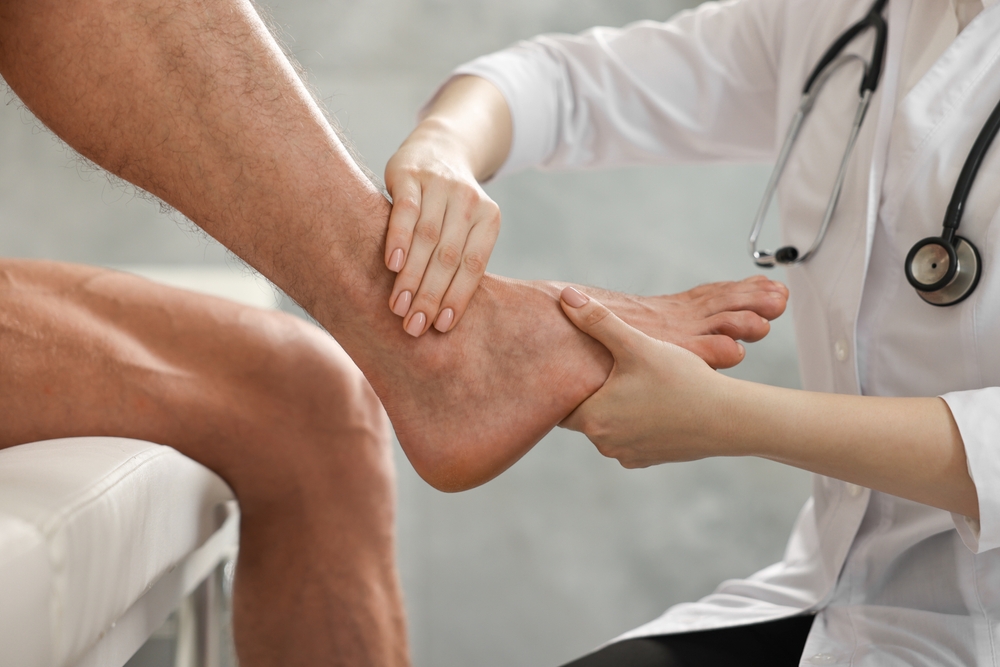
The Ultimate Guide to Foot and Ankle Sprain Physiotherapy Treatments

Posted on |
Foot and Ankle Sprain Physiotherapy Treatments

The Ultimate Guide to Foot and Ankle Sprain Physiotherapy Treatments

Foot and ankle sprains are some of the most common musculoskeletal injuries, affecting people of all ages and activity levels. Whether it’s caused by a sports-related incident, an accidental twist while walking, or an awkward landing, a sprain can significantly impair mobility and quality of life. Physiotherapy for ankle sprains is a proven and effective path to full recovery.

What is a Foot or Ankle Sprain?

A sprain is defined as the stretching or tearing of ligaments—the tough bands of fibrous tissue that connect bones in a joint. When the foot or ankle undergoes a sudden twist, turn, or roll, it can force the ligaments beyond their normal range of motion.

Types of Ankle Sprains

  • Lateral Ankle Sprain (Inversion Sprain): The most common type, caused when the foot rolls inward, damaging the ligaments on the outer ankle.
  • Medial Ankle Sprain (Eversion Sprain): Less common, this occurs when the foot turns outward, affecting the deltoid ligament.
  • High Ankle Sprain: Involves injury to the syndesmotic ligaments, which connect the tibia and fibula. This type often occurs in athletes.

Grades of Sprain

  • Grade I: Mild stretching with microscopic tears; minimal swelling and tenderness.
  • Grade II: Partial tearing of the ligament; moderate pain, swelling, and bruising.
  • Grade III: Complete tear; severe pain, instability, and significant swelling.

Symptoms and Diagnosis

Recognising the symptoms of a foot or ankle sprain is critical for timely and appropriate treatment.

Common Symptoms

  • Swelling and bruising
  • Pain during movement or weight-bearing
  • Instability in the joint
  • Reduced range of motion
  • A popping sound at the time of injury

Diagnosis

A physiotherapist or healthcare provider will typically

  • Take a detailed history of the injury
  • Conduct a physical examination
  • Use special tests like the anterior drawer test or talar tilt test
  • Refer for imaging (X-rays, MRI) if a fracture or severe injury is suspected

Why Ankle Sprain Physiotherapy is Essential

Many people mistakenly believe that minor ankle sprains don’t require professional treatment. However, without proper rehabilitation, there’s a higher risk of chronic ankle instability, recurrent sprains, and long-term issues such as post-traumatic arthritis.

Benefits of Physiotherapy for Ankle Sprains

  • Reduces pain and inflammation
  • Restores strength and flexibility
  • Promotes tissue healing
  • Improves proprioception (joint position sense)
  • Prevents recurrence through targeted exercise

Phases of Physiotherapy Treatment

Effective ankle sprain physiotherapy follows a structured approach divided into stages.

1. Acute Phase (0–72 hours)

Focus: Pain and swelling management

Interventions:

  • Peace & Love: Rest, Ice, Compression, Elevation
  • Protective bracing or taping
  • Gentle range-of-motion exercises to prevent stiffness

2. Subacute Phase (3–7 days)

Focus: Restoration of mobility and strength

Interventions:

  • Manual therapy: Soft tissue mobilisation, joint glides
  • Stretching and strengthening exercises: Begin with isometric exercises and progress gradually
  • Weight-bearing activities: As tolerated
  • Balance and proprioception drills: To re-establish neuromuscular control

3. Recovery and Strengthening Phase (1–4 weeks)

Focus: Functional rehabilitation and reconditioning

Interventions:

  • Theraband resistance exercises
  • Ankle mobility work: Calf stretches, ankle circles
  • Functional movements: Step-ups, heel-to-toe walking
  • Advanced proprioception drills: Wobble board, single-leg stance

4. Return-to-Activity Phase (4–8 weeks and beyond)

Focus: Sport-specific and preventive training

Interventions:

  • Jumping and landing mechanics
  • Lateral movement training
  • Plyometric exercises
  • Education on proper footwear and taping techniques

This phase is tailored based on the individual’s goals—whether it’s returning to running, playing sports, or everyday mobility.

Advanced Treatment Modalities

In addition to hands-on therapy and exercise programs, physiotherapists may employ advanced modalities to accelerate healing.

Electrotherapy

  • TENS (Transcutaneous Electrical Nerve Stimulation): For pain relief
  • Ultrasound therapy: To stimulate deep tissue healing

Shockwave Therapy

Used for chronic ankle pain or tendon injuries, it enhances circulation and promotes tissue regeneration.

Dry Needling

To release muscle tightness and alleviate pain around the ankle complex.

Kinesiology Taping

Supports the joint while allowing movement, reducing pain and swelling.

Preventing Future Ankle Sprains

Preventive care is essential, especially if you’ve had a sprain in the past.

Key Prevention Tips

  • Regular strength and balance training
  • Proper warm-ups before activity
  • Wear appropriate, well-fitted shoes

By incorporating these strategies, the risk of reinjury is significantly reduced.

When to See a Physiotherapist

If you’ve suffered an ankle or foot sprain, early intervention is key. Seek physiotherapy if:

  • Pain and swelling 
  • You’re unable to bear weight
  • There’s a visible deformity or instability
  • You’ve had multiple ankle sprains in the past
  • You want to prevent recurrence and optimise your recovery

Conclusion: Heal Strong with Expert Physiotherapy in Singapore

A foot or ankle sprain may seem like a minor setback, but without proper treatment, it can develop into a chronic issue that affects your mobility, confidence, and daily life. That’s why investing in professional ankle sprain physiotherapy is not just about healing—it’s about future-proofing your health.

Whether you’re an athlete, a busy professional, or simply someone who took a wrong step, the right physiotherapy approach will guide you from pain and dysfunction to strength and stability. Physio Asia Therapy Centre is an award-winning clinic dedicated to providing efficient, effective, and evidence-based physiotherapy and rehabilitation services in Singapore. With a team of experienced professionals, state-of-the-art facilities, and personalised treatment plans, Physio Asia ensures you receive the highest standard of care for your recovery journey.


Heel Pain: Causes, Prevention, and Treatment

Heel pain is a widespread concern, affecting around 4–7% of people at any given time. Whether you’re a weekend runner, busy professional, or someone who stands all day, understanding heel pain causes, prevention, and treatment is vital for long-term foot health. This guide clarifies what heel pain means, why it occurs, and how to manage it effectively, based on evidence-based insight and medical expertise.

What Is Heel Pain? 

Heel pain refers to discomfort at the rear of the foot, typically under the heel bone (calcaneus). The most prevalent form of plantar fasciitis is responsible for up to 80% of cases.

Common Heel Pain Types:

  • Plantar fasciitis – Irritation of the plantar fascia beneath the heel.
  • Achilles tendonitis – Inflammation of the tendon at the rear of the heel.
  • Others include bone spurs, nerve entrapments, stress fractures, fat pad atrophy, or joint arthropathies.

Causes of Heel Pain

1. Plantar Fasciitis

Caused by repetitive micro‑tears of the plantar fascia, a thick tissue supporting the arch. Risk factors:

  • Excessive standing or high-impact activity
  • Flat arches or high arches; overpronation
  • Obesity, tight Achilles tendon
  • Middle age (40–60 years)

It produces a sharp, stabbing pain—most intense during the first steps of the day—that typically improves with movement but may flare after long periods of standing.

2. Achilles Tendonitis

Inflammation of the Achilles tendon due to overuse, linked to running, sudden increases in activity, tight calf muscles, and bone spurs. Causes pain, stiffness, and sometimes swelling at the back of the heel.

3. Other Causes

  • Heel spurs: bony protrusions often seen with plantar fasciitis, but not always painful.
  • Nerve entrapments: irritation of the medial calcaneal or lateral plantar nerves.
  • Stress fractures, fat pad atrophy, joint arthritis, and subtalar joint issues also contribute.

Signs & Symptoms

Plantar Fasciitis

  • Sharp heel pain on initial morning steps, diminishing with movement, then reappearing after rest.
  • Typically unilateral, though 30% have bilateral symptoms.

Achilles Tendonitis

  • Pain at the back of the heel worsens after activity, with possible swelling and tightness.

Other Causes

  • Nerve entrapment may cause burning or tingling.
  • Stress fractures yield sharp pain with pressure.
  • Joint issues may reduce motion.

Diagnosis: Getting It Right

Accurate diagnosis is key. A clinician will:

  1. Take a detailed history: onset, activity triggers, change in footwear, or weight.
  2. Perform a physical exam: foot alignment, palpation, dorsiflexion range, gait, etc.
  3. Use imaging if needed:
    • X-rays for bone spurs and fractures.
    • Ultrasound/MRI for tissue evaluation in unclear cases.

Prevention Strategies

Maintaining foot health and reducing recurrence is essential. Consider these interventions:

1. Foot Mechanics & Footwear

  • Supportive shoes with proper arch and heel cushioning.
  • Avoid flats and high heels; rotate footwear regularly.
  • Insert orthotic splints or insoles to correct arch issues.

2. Strength & Flexibility

  • Regular calf (gastrocnemius/soleus) stretches and plantar fascia mobilisation.
  • Strengthen foot arch muscles and intrinsic foot and lower body as well.

3. Activity Management

  • Gradual progression in running or standing routines.
  • Alternate high-impact with low-impact exercises.
  • Maintain a healthy weight to lower stress on your feet.

Evidence-Based Treatment Approaches

1. First‑Line Conservative Care

According to evidence-based guidelines:

  • Rest and ice to control pain and inflammation
  • NSAIDs like ibuprofen
  • Stretching and massage targeting the calf, plantar fascia

2. Supportive Aids

  • Orthotic insoles: reduce strain, endorsed.

3. Physical Therapy

Personalised exercise programs:

  • Strengthening the intrinsic foot and calf, glute and leg muscles
  • Techniques like soft-tissue work, taping (eg, Kinesio), gait retraining
  • Use of ultrasound
  • Guided by a qualified physiotherapist to address biomechanical drivers

4. Injections & Shockwave

  • Corticosteroid injections: offer short-term relief, a few weeks’ benefit.
  • Extracorporeal shockwave therapy (ESWT): effective for chronic cases (≥3 months if no improvement).

5. Surgical Intervention

Rarely needed (<10% cases). Options include:

  • Plantar fasciotomy (open, endoscopic, percutaneous)
  • Gastrocnemius recession to relieve tightness (Grade I evidence).
  • Typically reserved for persistent cases despite 6–12 months of treatment.

When to See a Specialist

Seek medical attention if:

  • Heel pain persists beyond 3–6 months
  • Nighttime or resting pain
  • Severe pain that disrupts walking
  • Swelling, redness, or systemic symptoms

Prompt intervention helps avoid compensation injuries to the knee, hip, or back.

Why Choose Physiotherapy?

Physiotherapy directly addresses the biomechanical root causes of heel pain:

  • Tailored stretching and strengthening programs
  • Manual therapy, taping, and gait correction
  • Education on footwear, insoles, and workload management
  • Collaboration with other healthcare professionals for holistic care

Conclusion

Understanding heel pain—from plantar fasciitis to Achilles tendonitis—requires a structured, evidence-based approach: recognise it early, diagnose it precisely, utilise preventive and conservative treatments, and escalate treatment appropriately. By doing so, most individuals can recover fully, with minimal reliance on invasive procedures. For those in Singapore seeking expert care, Physio Asia Therapy Centre is an award-winning clinic specialising in efficient, effective, and evidence-based physiotherapy and rehabilitation. Their personalised heel pain programs focus on lasting results and injury prevention, following the highest clinical standards.

Top-Rated Sciatica Pain Treatment Methods That Really Work

Sciatica is more than just back pain; it’s a radiating, often excruciating discomfort that can travel down your leg, disrupt your sleep, and interfere with your daily life. Affecting millions worldwide, sciatica stems from irritation or compression of the sciatic nerve, which runs from the lower back down to the feet.

While “some” recover easily, “some” fight debilitating symptoms that require effective management. If you’re dealing with sciatica, you’re not alone, and you don’t need to suffer in silence. This blog discusses highly rated, science-supported, and effective sciatica pain treatment approaches that work—just proven solutions.

Knowing the Source of Sciatica pain 

Before delving into remedies, it’s essential to know what causes sciatica:

  • Herniated or bulging disc (most prevalent)
  • Spinal stenosis (spinal narrowing)
  • Piriformis syndrome
  • Degenerative disc disease
  • Trauma or injury
  • Pregnancy

The pain usually occurs on one side of the body and may come along with symptoms such as:

  • Shooting leg pain
  • Numbness or tingling sensation
  • Weakened muscle
  • Stiffness of the lower back

Since sciatica is a symptom of an underlying condition, treatment for it includes addressing the underlying cause and managing pain at the same time.

1. Physical Therapy and Targeted Exercises

Why it works: Sciatica usually responds well to certain stretching and strengthening exercises. A physical therapist can customise a program to your condition, alleviating nerve compression, building core strength, and enhancing posture.

Common helpful exercises:

  • Pelvic tilts
  • Knee-to-chest stretches
  • Cat-cow stretch
  • Piriformis stretch
  • Hamstring stretches

Pro Tip: Don’t diagnose yourself. An experienced physiotherapist can test your spinal alignment, detect muscular imbalances, and create an Individual program. Regular sessions can minimise flare-ups and regain long-term mobility.

2. Heat and Cold Therapy

Why it works: Cold packs can decrease swelling, whereas heat therapy relaxes Tight muscles and improves circulation.

How to use:

Use cold (ice pack in a towel) for 15–20 minutes, a few times a day with early flare-ups.

Switch to heat (hot water bottle or heating pad) after a few days to relax doesn’t heal- it just eases the symptoms 

Pro Tip: Do not use heat or ice on bare skin, and use each session sparingly to prevent damage to your skin.

3. Nonsteroidal Anti-inflammatory Drugs (NSAIDs)

Why it works: Short-term relief from pain can be achieved using over-the-counter NSAIDs such as ibuprofen (Advil) or naproxen (Aleve), which reduce inflammation in the area surrounding the nerve.

These drugs are particularly beneficial in the initial days when swelling is adding to nerve compression.

Note: Always be guided by dosages and consult your doctor, particularly if you have kidney problems, ulcers, or are taking other drugs.

4. Epidural Steroid Injections

Why it works: For acute or chronic sciatica, an injection of a corticosteroid into the spine may rapidly cause inflammation and pain.

The injections do not cure the underlying issue, but can relieve enough to permit physical therapy or changes in lifestyle to take hold effectively.

What to expect:

  • Relief from pain may last between a few weeks to several months.
  • Not done under X-ray
  • Limit: Not more than three injections yearly are advised

Pro Tip: They are most effective when combined with a full plan, including exercise and rehab.

5. Dry Needling

How it works: Acupuncture stimulates the nerves and gives an increase in blood flow, which may promote healing and pain relief.

Some studies endorse acupuncture as an added therapy to sciatica, especially when combined with standard treatments.

How it assists:

  • Releases endorphins (naturally occurring painkillers)
  • Relaxes contracted muscles
  • Reduces inflammation

Pro Tip: Seek a licensed, certified practitioner and always check credentials.

6. Manual Therapy

Why it works: Manual therapy can ease sciatica pain by loosening muscles (particularly in the lower back and buttocks) that could be compressing the sciatic nerve.

Key benefits:

  • Improves circulation
  • Promotes relaxation
  • Decreases muscle spasms

Manual therapy will not address the structural underlying cause, but it will provide excellent relief and will decrease stress, which usually exacerbates chronic pain.

7. Lifestyle Changes

Sciatica tends to recur when underlying lifestyle issues are not corrected. Some significant long-term changes are:

 Correct posture:

  • Sit in ergonomic chairs
  • Steer clear of prolonged sitting.
  • Invest in lumbar rolls.

Healthy weight:

Excess weight puts additional pressure on your spine

Regular exercise:

Daily walking, swimming, or low-impact aerobics

8. Surgery (When All Else Fails)

Why it works: If conservative care is not working after 6–12 weeks, surgery can be an option if you have:

  • Progressive leg weakness
  • Loss of bladder/bowel control
  • Disabling, severe pain

Typical surgeries for sciatica:

Microdiscectomy: Discovers and removes part of a herniated disc

Laminectomy: Discovers and removes part of the vertebrae to take pressure off the nerve

These treatments are highly successful and have fairly quick recovery periods when carried out by skilled surgeons.

Pro Tip: Always get a second opinion and try all non-surgical approaches first unless your symptoms are severe or getting worse.

The medical field is constantly evolving, and new treatments for sciatica pain are gaining popularity

9. Platelet-Rich Plasma (PRP) Therapy

  • Radiofrequency ablation (RFA)
  • Spinal cord stimulation

While others are yet to be researched, they might be worthy of discussion with a pain management physician.

When to See Your Doctor Right Away

Sciatica can typically be treated conservatively, but some red flags should call for immediate medical care:

  • Abrupt, extreme weakness in the leg
  • Numbness inside the thighs or about the groin (saddle anaesthesia)
  • Loss of bowel or bladder function
  • Unintentional loss of weight
  • Back pain accompanied by fever

These may indicate cauda equina syndrome, an emergency that needs immediate surgery.

Last Words: Melding Treatment Strategies is Best

One treatment doesn’t fit all. The best pain relief from sciatica is a tailored mix of treatments, usually progressing from least to most aggressive as necessary.

An average course of treatment may involve:

  • NSAIDs and rest for the first several days
  • Start physical therapy and gentle exercise.
  • Incorporate heat/cold, massage, or dry needing to alleviate symptoms.

Consistency is most important. Stick to daily exercises, lifestyle modifications, and follow-up treatment. With the correct plan, sciatica pain doesn’t have to less dramatic.

Takeaway

Life with sciatica can be frustrating, but there is hope for relief. With a less intense and multifaceted treatment plan, most individuals heal without surgery. Whether you’re just starting your recovery or exploring more advanced options, these top-rated treatments offer real hope for lasting pain relief.
Need help designing a personal sciatica recovery plan? Consult a licensed physiotherapist at Physio Asia Therapy Centre, your partner in recovery and long-term wellness. Take the first step toward lasting relief today.

Best Exercises and Therapies for Relief from Frozen Shoulder Pain

Struggling with frozen shoulder pain can make everyday tasks feel impossible, but the right exercises and therapies can offer real relief. In this guide, we explore the most effective methods to reduce stiffness, improve mobility, and ease discomfort associated with frozen shoulder. From gentle stretching routines to targeted physical therapy techniques, these expert-recommended strategies are designed to support your recovery at every stage. Whether you’re in the early phases of pain or working to regain a full range of motion, discover the best exercises and treatments to help you heal faster and move more freely starting today.
But there’s good news: with the right combination of targeted exercises and medical treatments, frozen shoulder can be effectively managed and, in many cases, fully resolved. In this post, we’ll explore the best exercises, treatments, and self-care strategies that work to relieve frozen shoulder pain and restore mobility.

Understanding Frozen Shoulder: What’s Happening?

Frozen shoulder results from inflammation and thickening of the joint capsule of the shoulder joint. The capsule gradually contracts and makes adhesions, which limit motion and lead to pain.

The process usually occurs in three stages:

1. Freezing Stage (Painful Phase)

  • Lasts 6 weeks to 9 months
  • Progressive pain and gradual loss of motion

2. Frozen Stage (Stiff Phase)

  • Lasts 4 to 6 months
  • Pain can improve, but stiffness persists.

3. Thawing Stage (Recovery Phase)

  • Lasts 6 months to 2 years
  • Gradual range of motion improvement

Relief depends on prompt intervention, gentle mobilisation, and routine care.

Best Exercises for Relief from Frozen Shoulder Pain

As much as you might want just to stay still when you’re hurting, cautious, guided exercises are crucial to restoring function. Always talk to a physiotherapist before embarking on an exercise regimen to be sure it’s appropriate for your recovery phase.

1. Pendulum Stretch (Phase: All Phases)

A gentle exercise using gravity to loosen the joint.

How to do it:

  • Lean forward slightly, bracing yourself with one hand against a table.
  • Let your involved arm hang straight down.
  • Lever your arm in little circles (10 each way).
  • Increase the size of the circle as you get better.

2. Towel Stretch (Phase: Frozen to Thawing)

This stretch enhances external rotation of the shoulder.

How to do it:

  • Hold a towel behind your back with both hands, like a pulley.
  • Use your good arm to pull the towel upward and stretch the affected arm.
  • Hold for 15–30 seconds; repeat 5–10 times daily.

3. Finger Walk (Wall Climb)

Improves forward flexion and overhead reach.

How to do it:

  • Stand facing a wall.
  • Using your fingertips (not shoulder muscles), “walk” your fingers up the wall as far as pain allows.
  • Hold for a few seconds, then walk back down.
  • Repeat 10 times, twice a day.

4. Cross-Body Arm Stretch

Excellent for increasing the mobility of the posterior capsule.

How to do it:

  • Sit or stand up.
  • Use your good arm to bring your affected arm across your chest.
  • Hold the stretch 15–30 seconds.

Repeat 5 times.

5. Doorway External Rotation Stretch

Works on the tightness at the front of the shoulder.

How to do it:

  • Stand in a doorway, elbow bent at 90 degrees.
  • Place your forearm against the door frame.
  • Gently turn your body away until a stretch is felt in the shoulder.
  • Hold for 20–30 seconds; repeat 3 times.

Top Medical and Therapeutic Treatments

1. Physical Therapy

Physical therapy is often the first and most effective line of treatment. A trained physiotherapist will design a tailored program that:

  • Restores range of motion
  • Reduces inflammation
  • Minimises scar tissue formation
  • Prevents long-term stiffness

Regular, supervised physiotherapy can dramatically reduce the time for frozen shoulder and enhance results

2. Heat and Cold

Alternating between heat and ice can relieve pain and enhance circulation.

  • Cold packs: Alleviate inflammation in the pain phase
  • Heat therapy: Loosens tight muscles before stretching

Tip: Use cold or heat for 15–20 minutes, a few times a day. Always use a cloth cover to avoid skin damage.

3. Anti-inflammatory Drugs (NSAIDs)

Over-the-counter medications such as ibuprofen or naproxen may provide temporary relief of pain and inflammation, particularly useful during the freezing phase.

Always see a healthcare provider if you have any underlying medical conditions or are taking other medications.

4. Corticosteroid Injections

If the pain is severe or interfering with sleep, an injection of a steroid into the shoulder joint can give quick relief.

Advantages are:

  • Decreased pain and inflammation
  • Better mobility to allow for physical therapy
  • Relief for weeks or months

These injections are usually employed together with a rehabilitation program, and not as a treatment per se.

5. Transcutaneous Electrical Nerve Stimulation (TENS)

Low-voltage electrical currents from TENS units interrupt pain signals.

  • Non-invasive and harmless
  • Administered at home or in a clinic
  • Works when combined with stretching

6. Manual Therapy

Joint mobilisation and massage of soft tissue can:

  • Increase circulation
  • Release tension in muscles
  • Decrease sensitivity to pain.

Manual treatment is particularly valuable in the thawing phase, when the shoulder starts to recover.

Specialised Options for Resistant Cases

7. Hydrodilatation (Capsular Distension)

This consists of injecting a saline solution into the joint capsule to distend and loosen the tight tissue.

  • Often used in conjunction with corticosteroids.
  • Carried out under the guidance of an ultrasound
  • Has good outcomes for persistent cases

8. Shoulder Manipulation Under Anaesthesia (MUA)

A surgeon uses a tip through a range of motion while the patient is anaesthetized to break up adhesions.

  • Reserved for when other treatments don’t work
  • Fast rhythms but needs follow-up rehabilitation.

9. Arthroscopic Surgery

A minimally invasive procedure to remove adhesions and scar tissue.

“Though not commonly performed, it can be effective when carefully managed.”

Then comes aggressive physical therapy for the best results

Self-Care Tips and Lifestyle Changes

Despite professional care, your at-home habits are important. Here’s how to aid in recovery at home:

  • Keep moving, but don’t overexert. Gentle movement does more good than absolute rest.
  • Move with good posture. Proper postural alignment will REDUCE strain on shoulder.
  • Sleep strategically Lie on your back or the uninjured side with a pillow holding the Affected arm.
  • Be consistent. Complete prescribed stretches daily—even when you’re stiff and discouraged.

Frozen Shoulder: What Not to Do

  • Don’t make sudden, aggressive movements—they can increase inflammation.
  • Don’t rely only on pain medication as it only addresses the symptoms
  • Don’t neglect pain that lasts longer than a few weeks. Catch it early.

Final Thoughts: Heal Smart, Move Freely

Frozen shoulder pain can feel like an uphill climb, but with the right combination of targeted exercises, professional care, and personal discipline, full recovery is achievable. Whether you’re in the early freezing phase or dealing with lingering stiffness during healing, staying consistent and committed is key to regaining mobility and comfort.

If you’re not sure where to begin or you require a specialised treatment program, don’t hesitate. Come to the professionals at Physio Asia Therapy Centre, where time-tested methods, caring treatment, and advanced technology unite to enable you to move freely from pain.

Your road to healing doesn’t have to be complicated. Take that first step today towards a freely moving, comfortably moving, and confidently moving shoulder.