Lower Back Pain Physiotherapy: From Diagnosis to Recovery

Posted on |
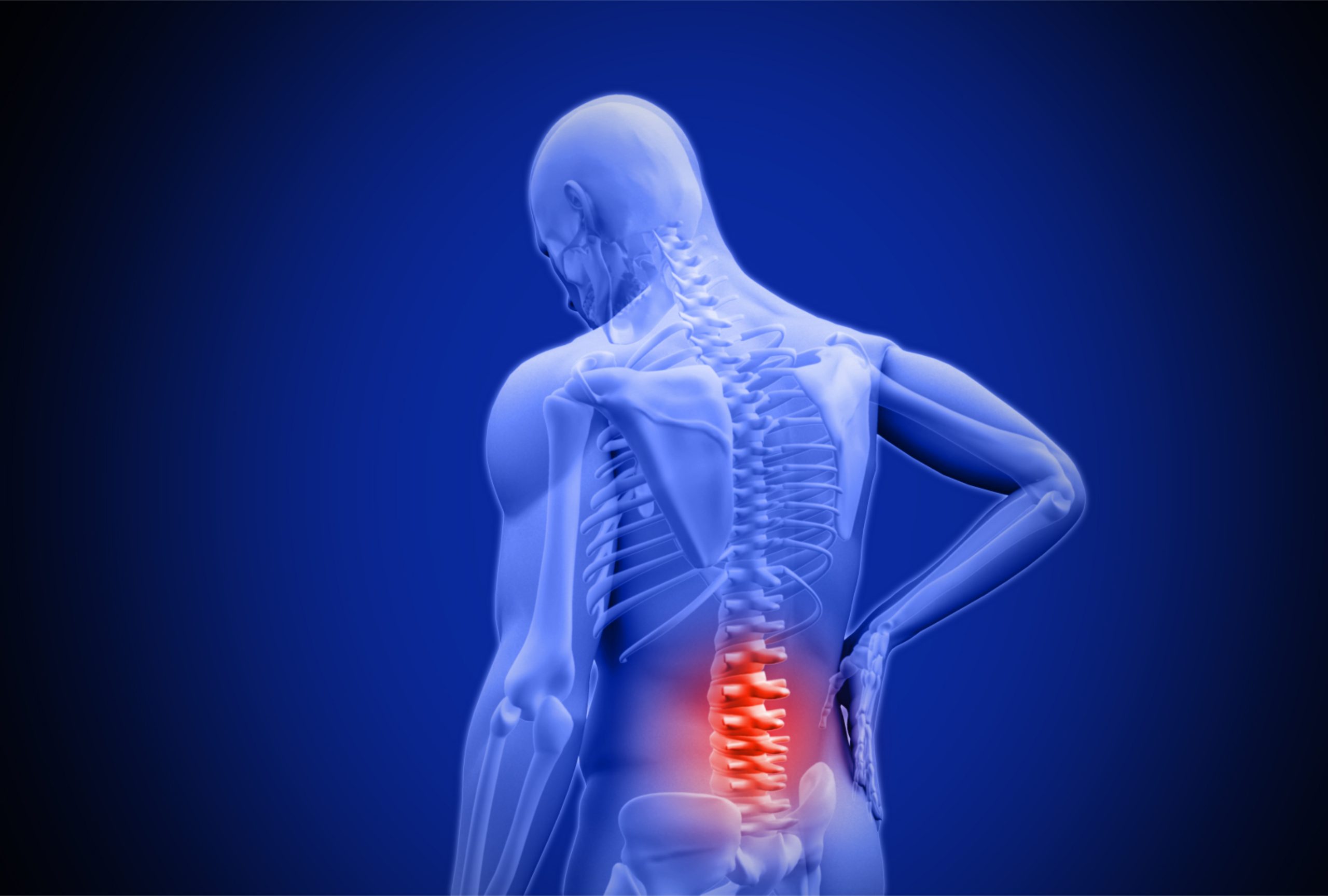
Illustration of a human skeleton highlighting lower back pain with a red glowing area in the lumbar spine

Lower Back Pain Physiotherapy: From Diagnosis to Recovery

Lower back pain affects millions worldwide, often disrupting daily life and productivity. This non-invasive approach not only alleviates discomfort but also addresses root causes, promoting long-term recovery. In this comprehensive guide, we’ll explore physiotherapy for lower back pain, from initial diagnosis to full rehabilitation. 

Whether you’re dealing with acute twinges from poor posture or chronic issues stemming from injury, physiotherapy offers a structured path forward. By focusing on personalized exercises, manual techniques, and lifestyle adjustments, it empowers you to regain strength and mobility. 

Lower Back Pain: Causes and Why Physiotherapy Matters

Lower back pain, or lumbar pain, refers to discomfort in the region between the lower rib cage and the upper buttocks. Common causes include muscle strains from heavy lifting, poor ergonomics at work, sedentary lifestyles, or age-related degeneration.

Physiotherapy stands out as a cornerstone of lower back pain treatment because it targets both symptoms and underlying imbalances. Unlike painkillers that offer temporary relief, physiotherapy rebuilds core stability, improves flexibility, and corrects movement patterns. Studies show that early intervention can reduce recovery time by up to 50%, preventing the pain from becoming chronic. For instance, weak abdominal or gluteal muscles often contribute to spinal overload, and targeted therapy restores this balance.

Acute pain lasts under six weeks and often resolves with rest and light activity, while chronic pain persists beyond three months, requiring multifaceted rehab. Physiotherapists assess these nuances to tailor plans, ensuring holistic care.

Diagnosis: Pinpointing the Source of Your Pain

Accurate diagnosis is the foundation of effective physiotherapy for lower back pain. It begins with a thorough clinical evaluation, where your physiotherapist reviews your medical history, pain onset, and aggravating factors. Expect questions like: “On a scale of 0-10, how severe is the pain?” or “Does it radiate to your legs?” This helps differentiate mechanical issues from red flags like infections or fractures.

Physical exams involve observing posture, range of motion, and strength tests such as walking, bending, or leg lifts to identify limitations. Palpation (pressing along the spine) detects tender spots, while neurological checks rule out nerve involvement, like sciatica.

If needed, imaging supports the process. X-rays reveal bone abnormalities, while MRIs detail soft tissues like discs and ligaments. Blood tests might screen for inflammatory conditions. The goal? A clear picture without over-relying on scans, as most cases (over 90%) are mechanical and don’t require them.

In physiotherapy clinics, diagnosis often integrates functional assessments, like the Oswestry Disability Index, to quantify how pain impacts activities. This data-driven approach ensures treatments align with your lifestyle, setting the stage for recovery.

Treatment Phases: A Step-by-Step Physiotherapy Journey

Physiotherapy for lower back pain unfolds in phases, adapting to your progress. The acute phase (first 1-2 weeks) focuses on pain control and gentle mobilization. Therapists use modalities like heat/ice packs, ultrasound, or TENS (transcutaneous electrical nerve stimulation) to reduce inflammation. Manual therapy, soft tissue massage or joint mobilizations, eases muscle spasms without aggressive manipulation.

Transitioning to the subacute phase (weeks 2-6), the emphasis shifts to active rehab. Customized exercises build endurance, starting with low-impact activities like walking or swimming. Physiotherapists teach proper body mechanics, such as safe lifting techniques, to prevent re-injury. Cognitive elements, like mindfulness for pain coping, may integrate here, drawing from CBT principles.

For chronic cases (beyond 6 weeks), treatment intensifies with advanced strengthening and functional training. This might include dry needling for trigger points or biofeedback to retrain posture. Sessions typically last 30-60 minutes, 2-3 times weekly, with home programs for consistency. Evidence from NHS guidelines highlights that combining exercise with education yields 70% better outcomes than rest alone.

Throughout, progress is monitored via pain scales and mobility tests, adjusting as needed. This phased model ensures steady gains, minimizing setbacks.

Key Exercises: Building Strength and Stability

No lower back pain treatment plan is complete without exercises. These target the core, glutes, and back extensors, fostering resilience. Always consult a physiotherapist before starting, especially post-injury.

  1. Glute Bridge: Lie on your back, knees bent, feet flat. Lift hips by squeezing glutes, forming a straight line from knees to shoulders. Hold 10-15 seconds, repeat 15 times (3 sets). Benefits: Activates glutes to support the lower spine, reducing strain during daily movements.
  2. Transverse Abdominis Activation: On your back, inhale deeply, then exhale while drawing your navel toward your spine. Hold 5 seconds, repeat 5 times. Benefits: Engages deep core muscles for spinal stability, preventing compensatory back overuse.
  3. Side-Lying Leg Raise: Lie on your side, bottom leg bent. Lift top leg 12-18 inches, hold 2 seconds, 10 reps per side (3 sets). Benefits: Strengthens hip abductors, improving pelvic alignment and balance to offload the lumbar area.
  4. Superman: Prone position, arms extended. Lift arms, chest, and legs 6 inches off the floor, hold 2 seconds, 10 reps. Benefits: Bolsters erector spinae muscles for better posture and arch support.
  5. Partial Abdominal Crunch: On your back, hands crossed over chest. Lift shoulders slightly while bracing abs, 10 reps (3 sets). Benefits: Fortifies rectus abdominis for hip and spine alignment.

Incorporate these 3-4 times weekly, progressing gradually. McKenzie exercises, like prone press-ups, can complement disc-related pain, promoting centralization (pain shifting toward the spine).

Recovery Strategies: Monitoring Progress and Avoiding Setbacks

Recovery from lower back pain via physiotherapy typically spans 4-12 weeks, with 80% improving within a month. Track milestones: reduced pain during sitting, easier bending, or resumed hobbies. Self-help tools like ice for acute flares or heat for stiffness aid daily management.

Lifestyle tweaks accelerate healing, maintain a healthy weight, use ergonomic setups, and stay hydrated. If pain persists, revisit your therapist for tweaks. Remember, consistency trumps intensity; overdoing it risks flares.

Prevention: Sustaining a Pain-Free Life

Prevention clusters around proactive habits. Ergonomic workstations, regular breaks from sitting, and core routines like yoga ward off recurrence. Aim for 150 minutes of moderate activity weekly, mixing cardio with strength training.In conclusion, physiotherapy for lower back pain transforms diagnosis into empowered recovery, blending science with personalized care. Physio Asia Therapy Centre is an award-winning clinic dedicated to providing efficient, effective physiotherapy services in Singapore.

Outpatient Physiotherapy: Key Techniques and Modern Treatment Approaches

In the world of modern medicine, recovering from an injury, surgery, or chronic condition extends far beyond the hospital walls. It is a journey that requires sustained, expert guidance to restore function, alleviate pain, and rebuild strength. This is the domain of outpatient physiotherapy rehabilitation that offers a flexible and patient-centered pathway to full recovery. Unlike inpatient care, which is confined to a facility, outpatient physiotherapy empowers individuals to actively engage in their healing process while navigating the demands of daily life. This article explores the core techniques and innovative treatment approaches that define this essential form of rehabilitative care, highlighting how it serves as the bridge from recovery to a fully functional and active life.

The Foundational Pillars of Outpatient Physiotherapy

Effective outpatient physiotherapy is built on a comprehensive and evidence-based framework that integrates multiple techniques. While the specific plan is always tailored to the individual, the foundational pillars of treatment remain consistent, addressing both the symptoms and the root cause of a condition.

1. Manual Therapy

At the heart of many outpatient programs is manual therapy, a skilled, hands-on approach performed by the physiotherapist. This is where the practitioner uses their hands to assess and treat a patient’s musculoskeletal system. Techniques include:

  • Joint Mobilisation and Manipulation: Gentle, controlled movements applied to stiff or painful joints to restore range of motion and reduce pain. These techniques can help break down adhesions and improve joint fluid dynamics.
  • Soft Tissue Mobilisation: A form of therapeutic massage that targets muscles, tendons, and ligaments to release tightness, reduce swelling, and improve circulation.
  • Myofascial Release: A specialised technique that focuses on the fascia, a network of connective tissue that surrounds muscles. By applying sustained pressure, a therapist can release fascial restrictions that contribute to pain and limited mobility.

Manual therapy is not just about a temporary fix; it’s about preparing the body for the next crucial step: therapeutic exercise. By first releasing tension and improving joint mobility, the therapist creates an optimal environment for the patient to perform exercises more effectively and with less pain.

2. Therapeutic Exercise

Therapeutic exercise is the cornerstone of any rehabilitation program. It is a controlled physical stress applied to the body to improve strength, flexibility, coordination, and endurance. The types of exercises vary widely based on the patient’s condition and stage of recovery.

  • Range of Motion (ROM) Exercises: These are often the first step, designed to restore flexibility in a joint. They can be passive (the therapist moves the limb for the patient), active-assistive (the patient helps the therapist), or active (the patient performs the movement on their own).
  • Strengthening Exercises: As recovery progresses, the focus shifts to building muscle strength and stability. This may involve using resistance bands, light weights, bodyweight exercises, or specialised equipment.
  • Balance and Proprioception Training: Particularly for neurological or orthopedic conditions, exercises aimed at improving balance and the body’s awareness of its position in space are crucial for preventing falls and re-injury.
  • Gait Training: For patients recovering from lower limb injuries or neurological events, gait training involves a structured program to retrain walking patterns, improve stability, and restore a fluid, efficient stride.

The power of therapeutic exercise lies in its ability to be customised. A physiotherapist develops a personalised home exercise program, empowering patients to become active participants in their recovery, ensuring progress continues between clinic visits.

3. Therapeutic Modalities

Physiotherapists also utilise a range of physical agents or modalities to complement manual therapy and exercise. These devices apply external energy to the body to help manage pain, reduce inflammation, and promote healing.

  • Heat and Cold Therapy: Simple yet highly effective. Heat therapy (thermotherapy) is used to increase blood flow, relax muscles, and prepare tissues for exercise. Cold therapy (cryotherapy) is used to reduce inflammation and numb acute pain.
  • Electrotherapy: This involves using a mild electrical current to stimulate nerves or muscles. Common forms include TENS (Transcutaneous Electrical Nerve Stimulation) for pain relief and NMES (Neuromuscular Electrical Stimulation) to help re-educate weakened muscles and improve function.
  • Therapeutic Ultrasound: This modality uses high-frequency sound waves to generate deep heat, which can promote circulation, reduce muscle spasms, and accelerate healing in soft tissues.

The Patient-Centric Approach: Beyond Techniques

What truly defines the best outpatient physiotherapy is not just the techniques used, but the overall patient experience. The modern approach is a partnership, with the physiotherapist serving as a guide, educator, and motivator.

  • Holistic Assessment: A great physiotherapist looks beyond the immediate injury. They assess a patient’s posture, movement patterns, and lifestyle to identify the underlying factors that may have contributed to their condition. For instance, chronic back pain might stem from poor ergonomics at a desk, a weak core, or an old, unaddressed ankle injury.
  • Patient Education: A key goal of outpatient physiotherapy is to empower the patient with knowledge. By understanding the “why” behind their pain and the “how” of their exercises, patients are more likely to comply with their home program and make lasting lifestyle changes that prevent future problems.
  • Integration with Technology: Modern outpatient clinics are embracing technology to enhance care. Wearable devices can track a patient’s activity between sessions, providing valuable data for the physiotherapist. Telerehabilitation allows for remote consultations, making care more accessible for patients with mobility challenges or those in remote areas.

Tailoring Treatment: The Outpatient Specialist

The breadth of outpatient physiotherapy means that many clinics and therapists specialise in specific areas, ensuring a high level of expertise for complex conditions.

  • Orthopedic and Sports Rehabilitation: This specialisation focuses on injuries from sports or everyday activities, utilising advanced techniques like functional training and sport-specific drills to help athletes return to their game safely and at a peak performance level.
  • Neurological Physiotherapy: This is a vital field for patients recovering from a stroke, brain injury or living with conditions like multiple sclerosis. Therapists in this area use specialised techniques to retrain the brain and body, focusing on improving balance, coordination, and functional mobility.
  • Chronic Pain Management: Here, the focus is on a multifaceted approach that includes manual therapy, graded exercise, and extensive education on pain science, empowering patients to regain control over their lives without relying on medication.

Conclusion

Outpatient physiotherapy is far more than a simple series of exercises; it is a dynamic and essential component of the modern healthcare system. It is a field defined by its wide array of evidence-based techniques, from the hands-on expertise of manual therapy to the empowering practice of therapeutic exercise. By offering a personalised and holistic approach, outpatient physiotherapy serves as a crucial link between acute care and a patient’s return to independence and well-being. This is where rehabilitation truly comes to life, guiding individuals through their recovery journey and equipping them with the tools for a healthier, more active future.

Top-Rated Sciatica Pain Treatment Methods That Really Work

Sciatica is more than just back pain; it’s a radiating, often excruciating discomfort that can travel down your leg, disrupt your sleep, and interfere with your daily life. Affecting millions worldwide, sciatica stems from irritation or compression of the sciatic nerve, which runs from the lower back down to the feet.

While “some” recover easily, “some” fight debilitating symptoms that require effective management. If you’re dealing with sciatica, you’re not alone, and you don’t need to suffer in silence. This blog discusses highly rated, science-supported, and effective sciatica pain treatment approaches that work—just proven solutions.

Knowing the Source of Sciatica pain 

Before delving into remedies, it’s essential to know what causes sciatica:

  • Herniated or bulging disc (most prevalent)
  • Spinal stenosis (spinal narrowing)
  • Piriformis syndrome
  • Degenerative disc disease
  • Trauma or injury
  • Pregnancy

The pain usually occurs on one side of the body and may come along with symptoms such as:

  • Shooting leg pain
  • Numbness or tingling sensation
  • Weakened muscle
  • Stiffness of the lower back

Since sciatica is a symptom of an underlying condition, treatment for it includes addressing the underlying cause and managing pain at the same time.

1. Physical Therapy and Targeted Exercises

Why it works: Sciatica usually responds well to certain stretching and strengthening exercises. A physical therapist can customise a program to your condition, alleviating nerve compression, building core strength, and enhancing posture.

Common helpful exercises:

  • Pelvic tilts
  • Knee-to-chest stretches
  • Cat-cow stretch
  • Piriformis stretch
  • Hamstring stretches

Pro Tip: Don’t diagnose yourself. An experienced physiotherapist can test your spinal alignment, detect muscular imbalances, and create an Individual program. Regular sessions can minimise flare-ups and regain long-term mobility.

2. Heat and Cold Therapy

Why it works: Cold packs can decrease swelling, whereas heat therapy relaxes Tight muscles and improves circulation.

How to use:

Use cold (ice pack in a towel) for 15–20 minutes, a few times a day with early flare-ups.

Switch to heat (hot water bottle or heating pad) after a few days to relax doesn’t heal- it just eases the symptoms 

Pro Tip: Do not use heat or ice on bare skin, and use each session sparingly to prevent damage to your skin.

3. Nonsteroidal Anti-inflammatory Drugs (NSAIDs)

Why it works: Short-term relief from pain can be achieved using over-the-counter NSAIDs such as ibuprofen (Advil) or naproxen (Aleve), which reduce inflammation in the area surrounding the nerve.

These drugs are particularly beneficial in the initial days when swelling is adding to nerve compression.

Note: Always be guided by dosages and consult your doctor, particularly if you have kidney problems, ulcers, or are taking other drugs.

4. Epidural Steroid Injections

Why it works: For acute or chronic sciatica, an injection of a corticosteroid into the spine may rapidly cause inflammation and pain.

The injections do not cure the underlying issue, but can relieve enough to permit physical therapy or changes in lifestyle to take hold effectively.

What to expect:

  • Relief from pain may last between a few weeks to several months.
  • Not done under X-ray
  • Limit: Not more than three injections yearly are advised

Pro Tip: They are most effective when combined with a full plan, including exercise and rehab.

5. Dry Needling

How it works: Acupuncture stimulates the nerves and gives an increase in blood flow, which may promote healing and pain relief.

Some studies endorse acupuncture as an added therapy to sciatica, especially when combined with standard treatments.

How it assists:

  • Releases endorphins (naturally occurring painkillers)
  • Relaxes contracted muscles
  • Reduces inflammation

Pro Tip: Seek a licensed, certified practitioner and always check credentials.

6. Manual Therapy

Why it works: Manual therapy can ease sciatica pain by loosening muscles (particularly in the lower back and buttocks) that could be compressing the sciatic nerve.

Key benefits:

  • Improves circulation
  • Promotes relaxation
  • Decreases muscle spasms

Manual therapy will not address the structural underlying cause, but it will provide excellent relief and will decrease stress, which usually exacerbates chronic pain.

7. Lifestyle Changes

Sciatica tends to recur when underlying lifestyle issues are not corrected. Some significant long-term changes are:

 Correct posture:

  • Sit in ergonomic chairs
  • Steer clear of prolonged sitting.
  • Invest in lumbar rolls.

Healthy weight:

Excess weight puts additional pressure on your spine

Regular exercise:

Daily walking, swimming, or low-impact aerobics

8. Surgery (When All Else Fails)

Why it works: If conservative care is not working after 6–12 weeks, surgery can be an option if you have:

  • Progressive leg weakness
  • Loss of bladder/bowel control
  • Disabling, severe pain

Typical surgeries for sciatica:

Microdiscectomy: Discovers and removes part of a herniated disc

Laminectomy: Discovers and removes part of the vertebrae to take pressure off the nerve

These treatments are highly successful and have fairly quick recovery periods when carried out by skilled surgeons.

Pro Tip: Always get a second opinion and try all non-surgical approaches first unless your symptoms are severe or getting worse.

The medical field is constantly evolving, and new treatments for sciatica pain are gaining popularity

9. Platelet-Rich Plasma (PRP) Therapy

  • Radiofrequency ablation (RFA)
  • Spinal cord stimulation

While others are yet to be researched, they might be worthy of discussion with a pain management physician.

When to See Your Doctor Right Away

Sciatica can typically be treated conservatively, but some red flags should call for immediate medical care:

  • Abrupt, extreme weakness in the leg
  • Numbness inside the thighs or about the groin (saddle anaesthesia)
  • Loss of bowel or bladder function
  • Unintentional loss of weight
  • Back pain accompanied by fever

These may indicate cauda equina syndrome, an emergency that needs immediate surgery.

Last Words: Melding Treatment Strategies is Best

One treatment doesn’t fit all. The best pain relief from sciatica is a tailored mix of treatments, usually progressing from least to most aggressive as necessary.

An average course of treatment may involve:

  • NSAIDs and rest for the first several days
  • Start physical therapy and gentle exercise.
  • Incorporate heat/cold, massage, or dry needing to alleviate symptoms.

Consistency is most important. Stick to daily exercises, lifestyle modifications, and follow-up treatment. With the correct plan, sciatica pain doesn’t have to less dramatic.

Takeaway

Life with sciatica can be frustrating, but there is hope for relief. With a less intense and multifaceted treatment plan, most individuals heal without surgery. Whether you’re just starting your recovery or exploring more advanced options, these top-rated treatments offer real hope for lasting pain relief.
Need help designing a personal sciatica recovery plan? Consult a licensed physiotherapist at Physio Asia Therapy Centre, your partner in recovery and long-term wellness. Take the first step toward lasting relief today.

Sacroiliac Joint Pain/ Dysfunction or Low Back Pain

Description/ Introduction:

The sacroiliac joints (SIJs) play a crucial role in transferring the body’s weight load from the upper torso to the lower limbs. It ranks as one of the most frequent contributors of long-standing low back pain, with around 15%–30% of individuals suffering from back pain experiencing discomfort stemming from these joints.

Pain and stiffness arising in the SIJ are referred to as SIJ dysfunction. This occurs due to abnormal motion and malalignment of the joint stemming from either hyper (excessive) or hypo (limited) mobility.

Causes of SIJ pain:

Joint dysfunction can occur in either traumatic or non-traumatic conditions such as:

Traumatic Causes:

  1. Fall,
  2. Motor vehicle collision,
  3. Myofascial pain
  4. SIJ Ligament sprain
  5. Improper lifting activities, and
  6. Pregnancy (due to increased laxity of ligaments)

Atraumatic /Pathological Causes:

  1. History of lumbar fusion surgery,
  2. Cumulative injuries,
  3. SIJ Arthritis,
  4. Scoliosis (sideways curve of spine),
  5. Inflammatory Arthropathy (swelling in the joint),
  6. Infection

Other Factors:

  1. Appendicitis,
  2. ovarian cysts or torsion, and
  3. pelvic inflammatory disease.

Risk Factors of SIJ pain

Some of the risk factors which may predispose individuals to having SIJ pain are as follows:

  • Obesity,
  • Sedentary lifestyle
  • Leg length discrepancy (one leg longer/shorter than the other),
  • Gait (walking) abnormalities,
  • Persistent strain or low-grade trauma (e.g., while jogging),
  • Muscular weakness
  • Scoliosis.

Clinical Signs and Symptoms of SIJ pain:

  • Pain and stiffness/Discomfort in the lower back, buttocks, and/or radiating pain to the upper leg and/or groin area.
  • Difficulty in bending,
  • Numbness/ tingling in legs,
  • Difficulty sleeping,
  • Difficulty in sitting or standing for long duration,
  • Difficulty in transitioning from sitting to standing,
  • Difficulty in stair climbing, running.

Other Injuries Mimicking pain similar to SIJ:

SIJ dysfunction is not the sole culprit behind all cases of lower back pain. Other prevalent causes of lower back pain may encompass conditions such as piriformis syndrome, issues with the dorsolumbar fascia and musculature, lumbar disc herniation (bulge), lumbar facet arthritis, and pain referred from neurological sources. It is crucial to accurately identify and address the underlying cause of pain and discomfort.

At ‘Physio Asia,’ we conduct thorough evaluations and provide specialized treatment approaches for lower back conditions. Our goal is to alleviate your pain and minimize the likelihood of future episodes.

SIJ Pain Management

The primary approach to addressing SIJ dysfunction in the early stages involves conservative management, which includes physical therapy. The Physiotherapy treatment may involve the following:

  • Posture correction
  • Manual joint mobilization
  • Soft tissue release/Massage
  • Specialized exercise protocol focussing on overcoming muscular imbalances
  • Core strengthening program
  • Low level laser therapy
  • Ultrasound therapy
  • Shortwave diathermy
  • Supportive Braces (SIJ Belt) to stabilize the joint in cases of instability

Prevention Strategies to overcome SIJ pain or Back pain:

  • Stay physically active by engaging in exercises like swimming and walking, and incorporate daily stretching routines to ward off stiffness. Additionally, maintain a healthy diet.
  • Steer clear of prolonged static positions, whether it’s sitting or standing, and prioritize good posture when using computers, playing games, or watching television.
  • Avoid bending and lifting from your back, ensure you bend at your hips and knees while keeping the object closer to your body
  • Opt for a supportive and firm mattress for sleeping, and consider placing a pillow under your knees to enhance your sleeping posture.

References:

  • Gartenberg A, Nessim A, Cho W. Sacroiliac joint dysfunction: pathophysiology, diagnosis, and treatment. Eur Spine J. 2021 Oct;30(10):2936-2943. doi: 10.1007/s00586-021-06927-9. Epub 2021 Jul 16. PMID: 34272605.
  • Rashbaum RF, Ohnmeiss DD, Lindley EM, Kitchel SH, Patel VV. Sacroiliac Joint Pain and Its Treatment. Clin Spine Surg. 2016 Mar;29(2):42-8. doi: 10.1097/BSD.0000000000000359. PMID: 26889985.
  • Chuang CW, Hung SK, Pan PT, Kao MC. Diagnosis and interventional pain management options for sacroiliac joint pain. Ci Ji Yi Xue Za Zhi. 2019 Sep 16;31(4):207-210. doi: 10.4103/tcmj.tcmj_54_19. PMID: 31867247; PMCID: PMC6905244.

Physiotherapy for Sciatic Nerve Pain or Sciatica in Singapore

Sciatica is a common presentation of patients with back pain in Singapore. Though according to health hub about 80% of adult population may suffer from Back pain in Singapore, with varying degree at some time in their life, 10% may present with Sciatica or pain that travels down the leg.

Sciatica Nerve is a spinal nerve that follows a long path from the lower two levels of spine L4-5 and L5-S1, through the buttock, down the back of the thigh and leg, and finally ends in the foot. Pain may increase with sneezing, coughing, lifting or sitting.

It’s a cramp-like pain that can be sharp or burning pain anywhere from the lower back and hip, and going down the back of one leg or foot.

There may be:

  • Pins and needles
  • Numbness and Tingling
  • Weakness of the leg and foot


Sciatica can be due to a Spinal disc compression or slip disc or from Muscles of the buttock pressing the nerve like in piriformis syndrome and also Spinal stenosis.

Physio Asia Singapore has been successfully treating patients with Sciatica with specialized Physiotherapy including:


Try these to prevent back pain and sciatica

  • Exercise and be active, swimming, walking are good activities and stretch every day to prevent stiffness and eat a healthy diet
  • Avoid static positions like prolonged sitting or standing and practice good posture when using computers/games or watching television
  • Proper bending and lifting postures by bending your hips and knees to use the power in your legs
  • use a supportive and firm mattress and a pillow under the knees to sleep

Back Pain Physiotherapy in Singapore

Low back pain https://physioasia.com/back-pain/ is one of the most common afflictions in our society. Back pain ranges from mild pain (with activities) to extreme pain (that cannot seem to find a comfortable position to be in), from a sharp catching pain to dull ringing ache, from centralized pain at the lower back to radiating pain and even numbness, pins and needles down the legs.


It is important to be able to differentiate between these presentations and manage the pain accordingly. The following sequence of therapy helps with long term pain

  • Mobilisation or manual therapy: Significant effect to restore restricted mobility between the spinal vertebrae. This aids to reduce pain, muscle spasm and stiffness.
  • Spinal Decompression therapy:
  • This Technique utilizes slow sustained Decompression (Pull) force on the Disc – for disc herniation – to facilitate the healing of the ruptured or prolapsed disc.
  • Scores Back Care Program – A Core Stabilization program:
  • Many patients may feel better after initial back pain with traditional treatment but their symptoms can return within a few days. As a side effect of the recurrent back pain, core muscles become weak and do not get activated as efficiently resulting in loss of appropriate back curvature and thereby causing increased stress on the spine.
  • SCORES use a combination of Real-time Ultrasound to see the core muscles in action, and with Achievo Stabiliser one learns the correct activation of these muscles thereby preventing Back pain.