The Role of Therapy in Spine Health: Techniques and Benefits

Posted on |
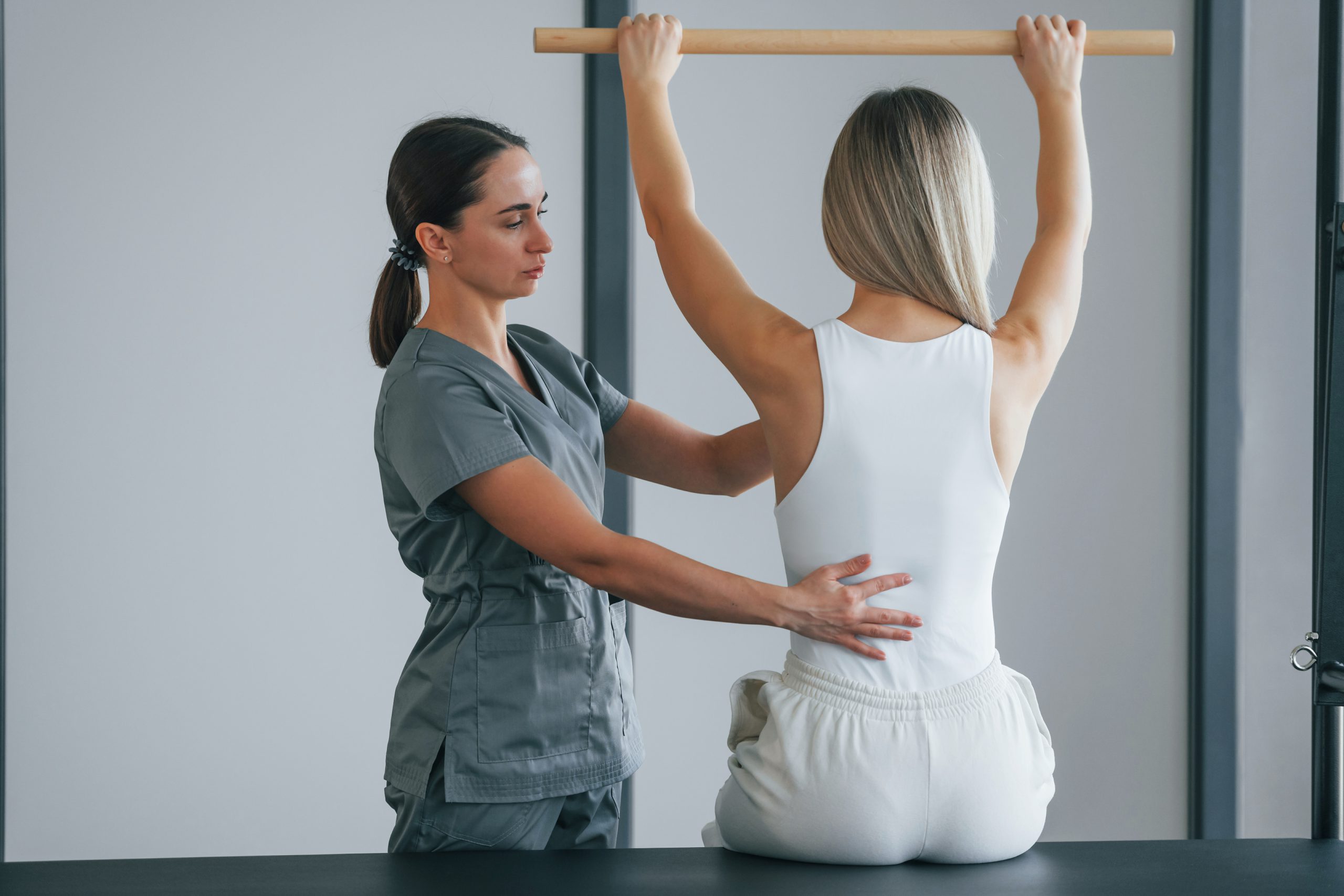
Physiotherapist performing spine therapy for back pain on a female patient to improve posture and relieve muscle tension.

The Role of Therapy in Spine Health: Techniques and Benefits

Maintaining a healthy spine is crucial to overall well-being, as it supports mobility, posture, and the protection of the nervous system. With the modern sedentary lifestyle, poor posture habits, and increasing stress on the spine, more people are experiencing back pain and spinal conditions. Fortunately, spine therapy for back pain has emerged as a comprehensive and effective solution to restore spinal health and enhance quality of life.

What Is Spine Therapy?

Spine therapy refers to a range of therapeutic techniques focused on the diagnosis, treatment, and prevention of spine-related conditions, particularly back and neck pain. These therapies may include manual physiotherapy, spinal decompression, chiropractic care, exercise programs, and posture correction methods. The goal is to reduce pain, improve mobility, correct musculoskeletal imbalances, and restore optimal spinal alignment.

Common Causes of Spine Pain

Before understanding therapy options, it’s vital to identify the common causes of spinal pain:

  • Poor posture due to prolonged sitting
  • Herniated or slipped discs
  • Degenerative disc disease
  • Spinal stenosis
  • Muscle imbalances and tightness
  • Injury or trauma
  • Postural stress during pregnancy

These conditions can lead to chronic back or neck pain, reduced flexibility, and even nerve-related issues if left untreated.

Techniques in Spine Therapy

1. Manual Physiotherapy

Manual therapy is a hands-on approach where physiotherapists use specific techniques to manipulate soft tissues and joints. These include:

  • Mobilization and manipulation to reduce stiffness
  • Soft tissue massage to alleviate muscle tension
  • Trigger point therapy to relieve localized pain

Manual physiotherapy is often used to manage lower back pain, disc issues, and muscular tightness.

2. Spinal Decompression Therapy

This non-invasive technique uses a traction table or similar device to gently stretch the spine. This process helps:

  • Relieve pressure on compressed discs
  • Promote the movement of water, oxygen, and nutrient-rich fluids into the discs
  • Alleviate conditions such as herniated discs or sciatica

3. Electrotherapy and Ultrasound

Advanced therapies like TENS (Transcutaneous Electrical Nerve Stimulation) and therapeutic ultrasound are often used to reduce inflammation, enhance circulation, and manage acute pain episodes.

4. Dry Needling and Acupuncture

These techniques are increasingly integrated into spine therapy programs. By targeting myofascial trigger points, dry needling can significantly reduce muscle tightness and nerve irritation.

Benefits of Spine Therapy

1. Pain Relief Without Surgery

One of the greatest benefits of spine therapy is pain relief through non-surgical methods. This approach is often preferred before resorting to invasive procedures like spinal surgery.

2. Improved Mobility and Function

Therapeutic techniques restore the range of motion in the spine and surrounding muscles. This translates to greater flexibility, reduced stiffness, and a more active lifestyle.

3. Posture Correction

Postural problems are among the most common causes of chronic back and neck pain. Therapy sessions focus on identifying poor posture habits and training the body for better alignment through ergonomic guidance and corrective exercises.

4. Reduced Risk of Recurrence

Therapy not only treats the symptoms but addresses the root cause of the issue, whether it’s muscle imbalance, disc degeneration, or mechanical stress. By strengthening and conditioning the spine, therapy significantly lowers the chance of recurrence.

5. Holistic Wellness

Therapists often integrate breathing exercises, stress management techniques, and lifestyle coaching to support mental well-being alongside physical rehabilitation. Spine health is deeply connected to overall vitality.

When Should You Seek Spine Therapy?

It’s crucial to recognize the early signs of spinal issues and consult a physiotherapy professional. Consider seeking therapy if you experience:

  • More than two weeks of continuous neck or back pain
  • Pain that radiates down your legs or arms
  • Stiffness or limited range of motion
  • Tingling, numbness, or weakness in limbs
  • Posture problems affecting your work or daily activities

Timely intervention can prevent minor problems from escalating into serious spinal disorders.

The Role of Evidence in Modern Therapy

Modern physiotherapy relies heavily on evidence-based practices. This means that all techniques and recommendations are backed by scientific research, clinical experience, and patient outcomes.

Preventive Tips for a Healthy Spine

Therapy isn’t just for recovery, it’s also for prevention. Here are a few tips therapists often recommend:

  • Practice proper ergonomics at work and home
  • Take regular breaks to stretch during long periods of sitting
  • Engage in regular physical activity, focusing on low-impact exercises like swimming or walking
  • Use supportive furniture and sleep on a spine-friendly mattress
  • Maintain a healthy weight to avoid unnecessary stress on the spine

Spinal therapy includes education on lifestyle choices, ensuring patients not only heal but thrive.

Conclusion: Spine Therapy Is an Investment in Long-Term Health

Your spine is your body’s central pillar, supporting movement, protecting nerves, and enabling daily life. Whether you’re dealing with persistent back pain, recovering from an injury, or seeking to improve posture, spine therapy for back pain offers a safe and effective path to relief and recovery.

By combining evidence-based methods, personalized treatment plans, and expert care, spinal therapy transforms the way individuals experience health. It empowers patients to take control of their mobility, pain, and future well-being.Award-winning Physio Asia Therapy Centre is committed to provide evidence-based, efficient, and successful physiotherapy Singapore. With a team of highly trained professionals and state-of-the-art techniques, Physio Asia offers personalized spine therapy programs that help individuals regain strength, mobility, and pain-free living. Whether you are recovering from injury or aiming to maintain optimal spinal health, Physio Asia is your trusted partner in wellness.

A Few Benefits of Women’s Health Physiotherapy for Every Stage of Life

From adolescence through motherhood and into later life, women navigate numerous physical transformations. Many of these changes – the pelvic discomfort, urinary issues, or hormonal shifts – are often dismissed as “normal.” Yet, these concerns don’t have to be endured silently. Pelvic floor physiotherapy, a key branch of women’s health physiotherapy, offers specialised, evidence-based care to transform these experiences.

Understanding the Field

What is Women’s Health Physiotherapy?

Women’s health physiotherapy (also known as pelvic health physiotherapy) is a sensitive and comprehensive subset of physical therapy that addresses issues unique to the female body-especially those linked to the pelvic floor and associated structures. It draws from deep anatomical knowledge, managing conditions tied to childbirth, menstruation, menopause, surgery, and more.

Why Pelvic Floor Physiotherapy?

“Pelvic floor physiotherapy” is a high-volume search term for a reason-it zeroes in on the critical muscle group supporting core functions, offering targeted rehabilitation for incontinence, prolapse, pelvic pain, and reproductive health concerns.

Benefits Through the Stages of Life

1. Adolescence & Early Adulthood

While physical concerns may first appear later, even young women benefit from early intervention – especially if trauma, sports injuries, or menstrual-related pelvic issues arise. Physiotherapy Services provides education, posture correction, and early awareness to prevent chronic dysfunction later.

2. Pre-Pregnancy & Fertility Support

Some women face mechanical infertility, where pelvic adhesions or soft-tissue restrictions impact conception. Manual physiotherapy-non-invasive and low-risk-can improve tissue mobility and has even been shown to aid fertility outcomes.

3. Antenatal (Pregnancy) Care

Pregnancy brings musculoskeletal strain and pelvic discomfort. A physiotherapist provides tailored exercises, breathing techniques, and posture guidance to reduce pain and prepare the body for labour. Strengthening core and pelvic support helps with functional stability and reduces the risk of complications.

4. Postpartum Recovery

Childbirth-vaginal or cesarean-can leave residual issues like diastasis recti, pelvic floor weakness, or incontinence. Physiotherapy helps:

  • Restore pelvic floor strength
  • Promote healing and realignment of abdominal muscles
  • Alleviate postpartum pain and improve overall functional recovery

5. Pelvic Floor Dysfunction in Midlife

As women age or undergo hormonal changes, incontinence and pelvic organ prolapse may surface. Pelvic floor physiotherapy offers:

  • Strengthening through Kegel exercises, biofeedback, or electrical stimulation
  • Symptom reduction and functional improvement without surgery-making it a first-line, conservative treatment

6. Menopause & Beyond

Menopause can lead to bone density loss, muscle stiffness, and joint pain. Physiotherapy aids through:

  • Bone-strengthening (weight-bearing) exercises
  • Mobility techniques to ease stiffness
  • Addressing pelvic changes and urinary symptoms related to hormonal shifts

7. Oncology & Breast Surgery Rehab

Breast surgery or cancer treatments often result in restricted arm mobility or lymphedema. Women’s health physiotherapists offer rehabilitation to restore strength, flexibility, and lymphatic function, thereby improving quality of life during recovery.

8. Chronic Pelvic Pain & Reproductive Health Difficulty

Conditions like dyspareunia, vaginismus, vulvodynia, or unexplained pelvic pain are often associated with pelvic floor dysfunction. Physiotherapy uses a combination of manual therapy, muscle relaxation, biofeedback, and education to restore function and alleviate pain.

Techniques & Treatment Approaches

Manual Therapy & Assessment

Therapists use external and internal palpation to assess muscle tone, trigger points, and dysfunction. Techniques like soft tissue mobilisation, trigger point release, joint mobilisation, and massage restore healthy tissue and alleviate pain.

Pelvic Floor Rehabilitation

Central to the discipline are:

  • Kegel exercises to strengthen weak muscles
  • Biofeedback-visual or auditory feedback to ensure proper muscle activation
  • Electrical stimulation to enhance muscle strength and healing, especially for severe incontinence

Education & Self-Care

A cornerstone of best practice is patient education-helping women understand their bodies, techniques, posture, and lifestyle adjustments for long-term health and empowerment.

Holistic & Mental Health Support

Physiotherapy isn’t just about physical symptoms. It can reduce anxiety, support mental health during life transitions (e.g., postpartum depression, menopausal stress), and foster resilience and confidence.

Conclusion

Womens health physiotherapy, especially pelvic floor physiotherapy, plays a transformative role at every stage of a woman’s life – from support in fertility and pregnancy to recovery, midlife health, and beyond. Through a holistic blend of specialised techniques, education, and evidence-based practice, it empowers women to reclaim comfort, confidence, and physical well-being.

If you’re seeking expert, compassionate care in Singapore, look no further than Physio Asia Therapy Centre – an award-winning clinic dedicated to providing efficient, effective physiotherapy services tailored for women’s health.

Why Physiotherapy is a Better Choice for Pain Management than Pain Pills

Pain is a universal human experience, but how we choose to manage it can have a profound impact on our long-term health and well-being. For many, the immediate and often alluring solution is a pain pill. Over-the-counter and prescription medications provide a quick fix, masking the discomfort and allowing us to carry on with our day. However, this approach often comes at a steep price, from potential side effects and dependency to a failure to address the underlying cause of the pain.

In contrast, physiotherapy offers a sustainable, holistic, and evidence-based alternative. Instead of merely treating the symptom, physiotherapy works to identify and resolve the root cause of the pain, empowering individuals to regain function, improve mobility, and prevent future issues. This article delves into the critical differences between these two approaches, highlighting why physiotherapy is the superior choice for lasting pain relief and overall health.

The Illusion of the Quick Fix: The Dangers of Pain Medication

Pain pills, particularly prescription opioids, can be highly effective for acute, short-term pain, such as following surgery or a traumatic injury. They work by altering how the brain perceives pain signals, providing immediate relief. However, the long-term use of these medications carries a number of significant risks and drawbacks:

  • Masking the Problem: Pain medication acts as a temporary bandage, dulling the pain signal without addressing what’s causing it. This can lead to a cycle where the underlying issue—be it a muscle imbalance, poor posture, or joint dysfunction—worsens over time, requiring higher doses of medication for the same level of relief.
  • Serious Side Effects: Both over-the-counter and prescription pain relievers can have a host of unpleasant and even dangerous side effects. Common issues include gastrointestinal distress, drowsiness, and cognitive impairment. More serious risks associated with long-term use include liver and kidney damage, cardiovascular problems, and a compromised immune system.
  • The Risk of Dependency and Addiction: This is one of the most critical concerns, especially with opioids. The body can quickly build up a tolerance, requiring increasingly higher doses to achieve the same effect. This can lead to physical dependence and, in many cases, a life-altering addiction. The opioid crisis has underscored the devastating impact of this all-too-common scenario.
  • Delayed Healing: By masking pain, medication can inadvertently encourage individuals to push their bodies beyond their limits, potentially re-injuring themselves or delaying the natural healing process. Pain is an important signal from the body that something is wrong, and ignoring it can have serious consequences.

Physiotherapy: A Foundational Approach to Healing

Unlike the passive and often temporary relief offered by pain pills, physiotherapy is an active, collaborative, and transformative process. It’s a science-based profession that focuses on restoring, maintaining, and maximising physical strength, function, and movement. A physiotherapist’s approach is highly personalised, starting with a comprehensive assessment to determine the root cause of the patient’s pain. The treatment plan is then tailored to the individual’s specific condition, goals, and lifestyle.

The effectiveness of physiotherapy is rooted in a few core principles:

Targeting the Root Cause

Physiotherapists don’t just treat the pain—they are detectives who work to uncover the source of the problem. For someone with chronic back pain, a physiotherapist might discover the pain isn’t from a direct injury but from weak core muscles, poor posture, or an unbalanced gait. By addressing these underlying issues, the physiotherapist provides a permanent solution rather than a temporary fix. This is the fundamental difference: one approach manages the symptom, while the other cures the disease.

The Power of Movement

Movement is a cornerstone of physiotherapy. Pain often leads to a fear of movement, causing muscles to atrophy and joints to stiffen. Physiotherapists use a variety of techniques to restore and improve movement, including:

  • Therapeutic Exercise: A personalised regimen of strengthening, stretching, and endurance exercises helps to rebuild muscle, improve flexibility, and increase joint stability. This not only reduces pain but also builds a strong foundation to prevent future injuries.
  • Manual Therapy: This hands-on approach includes joint mobilisation, massage, and soft tissue release to reduce muscle tension, improve circulation, and restore normal joint function.
  • Posture and Ergonomic Education: A significant amount of pain, especially in the neck and back, is a result of poor posture and unergonomic environments. Physiotherapists educate patients on how to correct their posture and modify their daily activities to reduce strain.

Holistic and Evidence-Based Care

Physiotherapy is not a one-size-fits-all solution. It’s an evidence-based practice that relies on the latest scientific research to inform treatment decisions. A physiotherapist may use modalities like heat, cold, or TENS (Transcutaneous Electrical Nerve Stimulation) to complement manual therapy and exercise. They also take a holistic view of the patient’s well-being, often incorporating aspects of psychology and education to help patients understand and manage their pain effectively. This comprehensive approach empowers individuals to take control of their health, rather than being passive recipients of medication.

Physiotherapy for Specific Conditions

Physiotherapy is an effective treatment for a wide range of conditions, from acute injuries to chronic pain.

  • Musculoskeletal Pain: This includes a vast array of conditions affecting the muscles, bones, joints, nerves, and ligaments. Physiotherapy is the go-to treatment for issues like lower back pain, neck pain, arthritis, and sports injuries. It helps reduce inflammation, improve mobility, and strengthen the supporting structures of the body.
  • Post-Surgical Rehabilitation: After surgery, especially joint replacements or spinal procedures, physiotherapy is crucial for regaining strength, range of motion, and function.
  • Chronic Pain Syndromes: For conditions like fibromyalgia or chronic regional pain syndrome, physiotherapy focuses on teaching pain management strategies, improving function, and breaking the cycle of pain and inactivity.

The benefits of physiotherapy extend beyond pain relief. By restoring function and mobility, it leads to a significant improvement in a person’s overall quality of life. Patients report increased energy, better sleep, reduced stress, and the ability to participate in activities they once enjoyed.

Conclusion: A Path to Lasting Health

When faced with pain, the choice between a pill and physiotherapy represents a fundamental difference in philosophy. The pill offers a temporary escape, a quick fix that often leads to dependency and a failure to address the underlying issue. Physiotherapy, on the other hand, provides a long-term solution by working with the body’s natural healing mechanisms to restore function and build strength. It’s an investment in your health that pays dividends for years to come.

By choosing physiotherapy, you’re not just treating the pain; you’re taking an active role in your own recovery. You’re learning how to move better, live healthier, and prevent future problems. The evidence is clear: for a safe, sustainable, and truly effective path to pain management, the answer lies not in a pill bottle, but in the power of movement and expert care.

Women’s Health Physiotherapy: What It Is, and How It Can Help You

In the intricate tapestry of a woman’s life, from adolescence to motherhood and through to the golden years, her body undergoes remarkable transformations. These changes, while natural, can often bring about unique physical challenges and health concerns. For many, these issues—ranging from persistent pain to embarrassing incontinence—are dismissed as an inevitable part of being a woman. However, a specialised field of healthcare offers a powerful and effective solution: womens health physiotherapy. This professional, compassionate, and evidence-based approach addresses a wide spectrum of female-specific conditions, empowering women to regain control of their bodies, alleviate discomfort, and enhance their overall quality of life.

The Role of Women’s Health Physiotherapy

Women’s health physiotherapy, also known as pelvic health physiotherapy, is a specialised branch of physical therapy that focuses on the assessment and treatment of conditions related to the pelvis, pelvic floor, and the musculoskeletal system as it pertains to female health. Unlike general physiotherapy, this discipline takes a holistic and sensitive approach, recognising the profound impact of hormonal changes, life stages, and childbirth on a woman’s body.

A women’s health physiotherapist is an expert in the intricate anatomy of the female pelvic region, including the pelvic floor muscles, which are a group of muscles located at the base of the pelvis. These muscles are essential for bladder and bowel control, core stability, and reproductive function. When they are weakened, overactive, or uncoordinated, they can lead to a variety of debilitating symptoms. The goal of this specialised therapy is to restore function, reduce pain, and educate women on how to maintain their physical health proactively.

A Comprehensive Approach to Pelvic Health

Pelvic health is a critical, yet often neglected, component of a woman’s well-being. Physiotherapy offers a non-invasive and highly effective treatment for common pelvic floor dysfunctions.

Urinary and Bowel Incontinence

Urinary incontinence—the involuntary leakage of urine—is a prevalent issue affecting millions of women. It is not an inevitable consequence of aging or childbirth. A specialised physiotherapist can accurately diagnose the type of incontinence (stress, urge, or mixed) and develop a targeted treatment plan. This may include pelvic floor muscle training (Kegel exercises), bladder retraining techniques, and lifestyle modifications. By strengthening and coordinating these crucial muscles, physiotherapy can significantly reduce or even eliminate leakage, restoring confidence and freedom. Similarly, physiotherapy can help manage and treat bowel incontinence and chronic constipation by improving pelvic muscle function and teaching proper toileting techniques.

Pelvic Pain and Reproductive Health Difficulty

Many women experience chronic pelvic pain or pain during sleeping together (dyspareunia). These conditions can be caused by muscle spasms, tightness, or nerve issues in the pelvic region. A physiotherapist uses a combination of techniques, including manual therapy, trigger point release, and relaxation exercises, to alleviate muscle tension and desensitise nerve pathways. They can also provide guidance on managing conditions like vaginismus, a painful involuntary spasm of the vaginal muscles, through a combination of muscle re-education and dilator therapy.

Pelvic Organ Prolapse

Pelvic organ prolapse (POP) occurs when one or more of the pelvic organs (bladder, uterus, or rectum) descend from their normal position into the vagina. This can cause a feeling of heaviness or a bulge, and can be deeply distressing. Physiotherapy is often the first line of treatment, focusing on strengthening the pelvic floor to provide better support for the pelvic organs and reduce symptoms. In addition to targeted exercises, a physiotherapist provides education on proper body mechanics and lifestyle adjustments to prevent worsening of the condition.

Supporting Women Through Motherhood

The journey of pregnancy and childbirth places immense stress on a woman’s body. Women’s health physiotherapy plays a vital role in preparing the body for birth and assisting in the recovery process postpartum.

Antenatal Care

During pregnancy, a woman’s body adapts to accommodate the growing fetus, often leading to musculoskeletal pain. Pelvic girdle pain and back pain are common complaints. A physiotherapist can provide relief through gentle exercises, manual therapy, and postural correction. They also educate expectant mothers on safe and effective exercises, breathing techniques, and labor positions that can ease delivery and reduce the risk of injury.

Postnatal Recovery

After childbirth, whether vaginal or via C-section, the body requires time and support to heal. Diastasis recti abdominis (DRA), a separation of the abdominal muscles, is a common postpartum condition that can lead to a visible “pooch” and a lack of core strength. A women’s health physiotherapist can assess the degree of separation and prescribe a tailored program to safely and effectively reconnect and strengthen the core. Physiotherapy also aids in the recovery from perineal tears, episiotomies, and general weakness, helping new mothers regain their physical function and confidence as they navigate the demands of motherhood.

Extending Beyond the Pelvis

The expertise of a women’s health physiotherapist extends beyond just the pelvic floor to address other gender-specific issues. They can assist with a range of conditions, including:

  • Breast health: Post-surgery rehabilitation for breast cancer patients to restore arm and shoulder mobility, and manual lymphatic drainage to manage lymphedema.
  • Blocked milk ducts and mastitis: Gentle massage and specific techniques can help clear blockages and relieve pain for breastfeeding mothers.
  • Carpal Tunnel Syndrome and De’Quervain’s Syndrome: These conditions, often caused by repetitive strain from holding and carrying a baby, can be treated with a combination of manual therapy, exercises, and ergonomic advice.
  • Osteoporosis: Women are at a higher risk of developing this condition. A physiotherapist can design a safe and effective exercise program that focuses on weight-bearing and strength training to improve bone density and reduce fracture risk.
  • Musculoskeletal pain: Conditions such as low back pain, knee pain, and neck stiffness are often related to a woman’s posture, lifestyle, or the physical demands of her daily life. Physiotherapy provides a tailored treatment plan to address the root cause of the pain, not just the symptoms.

The Power of Empowerment and Education

A core principle of women’s health physiotherapy is patient education. Physiotherapists not only treat symptoms but also empower women with the knowledge and tools to manage their own health. This includes teaching proper form for exercises, explaining the anatomy of the pelvic region, and providing personalised advice on lifestyle, diet, and posture. By understanding their bodies and learning self-management techniques, women can take an active role in their long-term health and wellness. This approach fosters a sense of agency and resilience, allowing women to feel strong, capable, and in control. In conclusion, women’s health physiotherapy is a vital, multifaceted discipline that addresses the unique physical challenges women face throughout their lives. By providing specialised, expert care, it offers a pathway to effective healing and lasting wellness. For a clinic dedicated to providing efficient, effective physiotherapy services, look no further. Physio Asia Therapy Centre is an award-winning clinic dedicated to providing efficient, effective physiotherapy services in Singapore.

Outpatient Physiotherapy: Key Techniques and Modern Treatment Approaches

In the world of modern medicine, recovering from an injury, surgery, or chronic condition extends far beyond the hospital walls. It is a journey that requires sustained, expert guidance to restore function, alleviate pain, and rebuild strength. This is the domain of outpatient physiotherapy rehabilitation that offers a flexible and patient-centered pathway to full recovery. Unlike inpatient care, which is confined to a facility, outpatient physiotherapy empowers individuals to actively engage in their healing process while navigating the demands of daily life. This article explores the core techniques and innovative treatment approaches that define this essential form of rehabilitative care, highlighting how it serves as the bridge from recovery to a fully functional and active life.

The Foundational Pillars of Outpatient Physiotherapy

Effective outpatient physiotherapy is built on a comprehensive and evidence-based framework that integrates multiple techniques. While the specific plan is always tailored to the individual, the foundational pillars of treatment remain consistent, addressing both the symptoms and the root cause of a condition.

1. Manual Therapy

At the heart of many outpatient programs is manual therapy, a skilled, hands-on approach performed by the physiotherapist. This is where the practitioner uses their hands to assess and treat a patient’s musculoskeletal system. Techniques include:

  • Joint Mobilisation and Manipulation: Gentle, controlled movements applied to stiff or painful joints to restore range of motion and reduce pain. These techniques can help break down adhesions and improve joint fluid dynamics.
  • Soft Tissue Mobilisation: A form of therapeutic massage that targets muscles, tendons, and ligaments to release tightness, reduce swelling, and improve circulation.
  • Myofascial Release: A specialised technique that focuses on the fascia, a network of connective tissue that surrounds muscles. By applying sustained pressure, a therapist can release fascial restrictions that contribute to pain and limited mobility.

Manual therapy is not just about a temporary fix; it’s about preparing the body for the next crucial step: therapeutic exercise. By first releasing tension and improving joint mobility, the therapist creates an optimal environment for the patient to perform exercises more effectively and with less pain.

2. Therapeutic Exercise

Therapeutic exercise is the cornerstone of any rehabilitation program. It is a controlled physical stress applied to the body to improve strength, flexibility, coordination, and endurance. The types of exercises vary widely based on the patient’s condition and stage of recovery.

  • Range of Motion (ROM) Exercises: These are often the first step, designed to restore flexibility in a joint. They can be passive (the therapist moves the limb for the patient), active-assistive (the patient helps the therapist), or active (the patient performs the movement on their own).
  • Strengthening Exercises: As recovery progresses, the focus shifts to building muscle strength and stability. This may involve using resistance bands, light weights, bodyweight exercises, or specialised equipment.
  • Balance and Proprioception Training: Particularly for neurological or orthopedic conditions, exercises aimed at improving balance and the body’s awareness of its position in space are crucial for preventing falls and re-injury.
  • Gait Training: For patients recovering from lower limb injuries or neurological events, gait training involves a structured program to retrain walking patterns, improve stability, and restore a fluid, efficient stride.

The power of therapeutic exercise lies in its ability to be customised. A physiotherapist develops a personalised home exercise program, empowering patients to become active participants in their recovery, ensuring progress continues between clinic visits.

3. Therapeutic Modalities

Physiotherapists also utilise a range of physical agents or modalities to complement manual therapy and exercise. These devices apply external energy to the body to help manage pain, reduce inflammation, and promote healing.

  • Heat and Cold Therapy: Simple yet highly effective. Heat therapy (thermotherapy) is used to increase blood flow, relax muscles, and prepare tissues for exercise. Cold therapy (cryotherapy) is used to reduce inflammation and numb acute pain.
  • Electrotherapy: This involves using a mild electrical current to stimulate nerves or muscles. Common forms include TENS (Transcutaneous Electrical Nerve Stimulation) for pain relief and NMES (Neuromuscular Electrical Stimulation) to help re-educate weakened muscles and improve function.
  • Therapeutic Ultrasound: This modality uses high-frequency sound waves to generate deep heat, which can promote circulation, reduce muscle spasms, and accelerate healing in soft tissues.

The Patient-Centric Approach: Beyond Techniques

What truly defines the best outpatient physiotherapy is not just the techniques used, but the overall patient experience. The modern approach is a partnership, with the physiotherapist serving as a guide, educator, and motivator.

  • Holistic Assessment: A great physiotherapist looks beyond the immediate injury. They assess a patient’s posture, movement patterns, and lifestyle to identify the underlying factors that may have contributed to their condition. For instance, chronic back pain might stem from poor ergonomics at a desk, a weak core, or an old, unaddressed ankle injury.
  • Patient Education: A key goal of outpatient physiotherapy is to empower the patient with knowledge. By understanding the “why” behind their pain and the “how” of their exercises, patients are more likely to comply with their home program and make lasting lifestyle changes that prevent future problems.
  • Integration with Technology: Modern outpatient clinics are embracing technology to enhance care. Wearable devices can track a patient’s activity between sessions, providing valuable data for the physiotherapist. Telerehabilitation allows for remote consultations, making care more accessible for patients with mobility challenges or those in remote areas.

Tailoring Treatment: The Outpatient Specialist

The breadth of outpatient physiotherapy means that many clinics and therapists specialise in specific areas, ensuring a high level of expertise for complex conditions.

  • Orthopedic and Sports Rehabilitation: This specialisation focuses on injuries from sports or everyday activities, utilising advanced techniques like functional training and sport-specific drills to help athletes return to their game safely and at a peak performance level.
  • Neurological Physiotherapy: This is a vital field for patients recovering from a stroke, brain injury or living with conditions like multiple sclerosis. Therapists in this area use specialised techniques to retrain the brain and body, focusing on improving balance, coordination, and functional mobility.
  • Chronic Pain Management: Here, the focus is on a multifaceted approach that includes manual therapy, graded exercise, and extensive education on pain science, empowering patients to regain control over their lives without relying on medication.

Conclusion

Outpatient physiotherapy is far more than a simple series of exercises; it is a dynamic and essential component of the modern healthcare system. It is a field defined by its wide array of evidence-based techniques, from the hands-on expertise of manual therapy to the empowering practice of therapeutic exercise. By offering a personalised and holistic approach, outpatient physiotherapy serves as a crucial link between acute care and a patient’s return to independence and well-being. This is where rehabilitation truly comes to life, guiding individuals through their recovery journey and equipping them with the tools for a healthier, more active future.

The Benefits of Vocal Physiotherapy for Singers and Public Speakers

For professional voice users, from the opera singer commanding a stage to the public speaker influencing an audience, the voice is their most valuable asset. It is an instrument of art, persuasion, and identity. Yet, the high demands placed on the voice often lead to strain, fatigue, and even career-threatening disorders. While vocal coaches and speech therapists are widely recognised for their role in improving technique and addressing vocal issues, a powerful, often overlooked discipline offers a crucial layer of care: vocal physiotherapy. This specialised form of physical therapy provides a holistic and preventative approach, addressing the underlying musculoskeletal systems that govern vocal production to ensure a voice that is not only powerful and clear but also resilient and enduring.

The Anatomy of the Professional Voice: A Full-Body Instrument

To understand the benefits of vocal physiotherapy, it’s essential to view the voice as a whole-body phenomenon, not just a function of the vocal cords. The human voice is produced by a complex and interconnected system. The vocal folds, delicate bands of muscle and tissue within the larynx, vibrate to produce sound. However, the power for this vibration comes from the lungs, and the control from the diaphragm and core muscles. The quality, pitch, and projection are then shaped by the pharynx, jaw, tongue, and the entire postural alignment of the head, neck, and shoulders.

When a singer hits a high note or a speaker projects their voice to a large hall, the entire body is engaged. Tension in the neck can constrict the larynx, causing a strained sound. A slouched posture can impede the diaphragm’s movement, leading to shallow breathing and vocal fatigue. Without proper alignment and muscle support, the delicate vocal cords are forced to compensate, leading to chronic strain and a higher risk of injury. Vocal physiotherapy directly targets these supporting structures, treating the body to free the voice.

Understanding the Dangers: Common Vocal Issues for Professionals

Singers and public speakers are particularly susceptible to a range of vocal issues due to repetitive stress and the high demands of their profession. These issues are often the direct result of vocal misuse or overuse.

  • Vocal Fatigue: This is the most common complaint and often the first warning sign. It manifests as a tired or weak voice, loss of vocal range, or a feeling of strain after a performance or long speaking engagement.
  • Muscle Tension Dysphonia (MTD): This is a functional voice disorder where muscles in the neck and around the larynx become overly tight, constricting the vocal folds and leading to a strained, rough, or breathy sound. It’s often a direct result of poor technique and compensatory muscle use.
  • Vocal Cord Nodules and Polyps: Often called “singer’s nodules,” these are callous-like growths that form on the vocal folds from repeated impact. They prevent the vocal cords from closing completely, leading to hoarseness, breathiness, and a rough texture to the voice. While they are a physical injury, they are almost always caused by muscular misuse and tension.
  • Chronic Hoarseness: Persistent hoarseness is a clear signal that something is wrong. It can be a symptom of any of the above conditions and should never be ignored.

These problems, if left unaddressed, can not only compromise performance but also lead to irreversible damage, underscoring the critical need for a proactive and expert-guided approach to vocal care.

The Transformative Benefits of Vocal Physiotherapy

Vocal physiotherapy offers a host of benefits that are directly relevant to the unique needs of singers and public speakers.

1. Injury Prevention: A Proactive Investment

For a professional, an injury is not just a physical setback; it’s a career threat. Vocal physiotherapy is the ultimate preventative tool. By identifying and releasing areas of chronic tension in the neck, jaw, and throat, it removes the excessive load that can lead to vocal cord damage. The manual therapy techniques reduce inflammation and improve blood flow, keeping the entire vocal mechanism supple and resilient. This proactive approach minimises the risk of conditions like MTD and vocal nodules, ensuring a long and healthy career.

2. Enhanced Performance and Stamina

A relaxed, well-supported body is a prerequisite for a free and powerful voice. When the muscles around the larynx are not tense, singers and speakers find it easier to access their full vocal range, achieve greater projection without strain, and maintain their voice for longer periods. Physiotherapy helps improve diaphragmatic breathing, which is the engine of the voice, leading to better breath control, increased stamina, and a more consistent, resonant sound.

3. Efficient Rehabilitation and Recovery

If a voice injury has already occurred, vocal physiotherapy plays a vital role in the rehabilitation process. In collaboration with an ENT or a speech-language pathologist, a physiotherapist can help speed up recovery by reducing muscular tension, improving circulation to the injured area, and correcting the biomechanics that led to the injury in the first place. This comprehensive approach ensures that the vocal cords have the best possible environment to heal, preventing a quick relapse once a patient returns to their professional duties.

Practical Techniques Used in Vocal Physiotherapy

A typical vocal physiotherapy session is hands-on and tailored to the individual’s needs. Key techniques include:

  • Manual Laryngeal Therapy: The therapist uses gentle, precise pressure to massage the muscles around the larynx and the hyoid bone, a small U-shaped bone in the neck that is crucial for voice function. This manual release can provide immediate relief from feelings of tightness and strain.
  • Postural Correction and Education: The therapist assesses the patient’s posture and provides exercises and cues to improve alignment. This can be as simple as correcting head-forward posture to as complex as addressing spinal alignment issues that affect the entire breathing apparatus.
  • Breathing Retraining: Patients are taught and cued to transition from shallow, chest-based breathing to deep, diaphragmatic breathing. The physiotherapist can use their hands to help the patient feel the proper movement and engage the correct muscles, improving vocal support and reducing fatigue.
  • Targeted Strength and Mobility Exercises: The therapist will prescribe a set of exercises to strengthen the deep neck flexors and other supporting muscles. These exercises are designed to create a strong, stable foundation for the vocal system, preventing future strain.

The Proactive Mindset: Investing in Your Instrument

For singers and public speakers, caring for their voice is a professional responsibility. Just as an athlete relies on a sports physiotherapist to maintain their body, a professional voice user should consider a vocal physiotherapist an essential part of their wellness team. Integrating vocal physiotherapy into a routine—for both prevention and rehabilitation—is a proactive investment in a long and successful career. It’s the difference between reacting to problems as they arise and creating a foundation so strong and resilient that problems rarely have a chance to take root.

Conclusion

Vocal physiotherapy is a transformative discipline that offers profound benefits for singers and public speakers. By addressing the musculoskeletal system, it tackles the root causes of vocal strain and injury, enhancing performance and ensuring the longevity of the voice. Its hands-on, preventative, and rehabilitative approaches make it an indispensable part of comprehensive vocal care. In Singapore, Physio Asia Therapy Centre, established in 2006, provides cost effective, evidence-based physiotherapy and rehabilitation services with integration of state-of-the-art technology and skillful implementation. Their commitment to excellence makes them a trusted partner in protecting and empowering professional voices.

The Pivotal Role of Outpatient Physiotherapy in Modern Rehabilitation

In the landscape of modern healthcare, the journey from injury or illness to full recovery is rarely linear. It is a process that demands a holistic, patient-centered approach, and at the heart of this process lies the often-understated but critically important field of outpatient physiotherapy. As a cornerstone of rehabilitative care, outpatient physiotherapy serves as the bridge between acute medical treatment and a patient’s return to independence, function, and a high quality of life. This detailed exploration delves into the multifaceted role of outpatient physiotherapy, its distinct advantages, and how it embodies the principles of effective, long-term rehabilitative care.

Understanding the Outpatient Advantage

Outpatient physiotherapy refers to a form of care where patients visit a clinic or a private practice for their treatment sessions, returning home afterward. This model contrasts with inpatient rehabilitation, where patients are admitted to a hospital or a specialised facility for around-the-clock care. The outpatient setting offers a unique set of benefits that are instrumental in the success of a patient’s recovery journey.

First and foremost, the outpatient model promotes real-world relevance. By attending sessions and then returning to their daily environment, patients are continuously challenged to apply their newly acquired skills and strength in familiar settings—whether it’s navigating stairs at home, sitting at a desk for work, or simply carrying groceries. This immediate application of learned techniques reinforces progress and helps identify and address real-life obstacles as they arise. This practical experience is invaluable for building the confidence and functional capacity needed to reintegrate into daily life fully.

Secondly, outpatient care fosters a sense of ownership and active participation. In this setting, the patient is not just a passive recipient of treatment but an active partner in their recovery. Physiotherapists provide education, tailored exercise programs, and behavioral strategies that the patient must implement consistently at home. This collaborative dynamic builds discipline and self-management skills, which are crucial for long-term health and preventing future injuries. This empowerment is a key tenet of modern rehabilitation, shifting the focus from simply fixing a problem to teaching individuals how to manage their physical well-being proactively.

Finally, the outpatient model is often more cost-effective and flexible. It eliminates the overhead costs of a long hospital stay and allows patients to maintain their work, family, and social commitments with minimal disruption. This flexibility makes rehabilitation more accessible to a wider range of individuals, ensuring that more people can receive the specialised care they need without compromising their personal or professional lives.

The Cornerstones of Outpatient Rehabilitation

Outpatient physiotherapy is not a one-size-fits-all solution; its effectiveness lies in its ability to be tailored to a vast array of conditions. The services offered typically fall into distinct, specialised categories, forming a comprehensive topic cluster that addresses various rehabilitative needs.

1. Orthopedic Rehabilitation This is arguably the most common domain of outpatient physiotherapy. It focuses on the recovery from injuries or surgeries related to the musculoskeletal system, including bones, joints, muscles, ligaments, and tendons. An orthopedic physiotherapist works with patients to regain range of motion, increase strength, and restore function after procedures like joint replacements (e.g., knee or hip), ACL reconstruction, or for chronic conditions like arthritis. A well-structured rehab plan, involving manual therapy, therapeutic exercises, and modalities like ultrasound or electrical stimulation, is crucial for a successful outcome.

2. Sports Injury Rehabilitation Athletes and active individuals often require specialised care that goes beyond general rehabilitation. Sports physiotherapists are trained to understand the biomechanics of specific sports and the demands they place on the body. Their role is not only to treat the acute injury—such as a sprained ankle, a rotator cuff tear, or a hamstring strain—but also to identify and correct underlying movement patterns that may have contributed to the injury. The ultimate goal is to return the athlete to their sport safely and at a peak performance level, with a reduced risk of re-injury.

3. Neurological Rehabilitation For individuals who have suffered a stroke, traumatic brain injury, or live with conditions like Parkinson’s disease, multiple sclerosis, or cerebral palsy, outpatient physiotherapy is a lifeline. Neurological rehabilitation aims to improve mobility, balance, coordination, and strength by retraining the nervous system and muscles. Techniques such as neurodevelopmental treatment, gait training, and task-specific exercises help patients regain lost motor skills and adapt to new ways of moving, significantly enhancing their independence and quality of life.

4. Chronic Pain Management Living with chronic pain—whether from conditions like fibromyalgia, back pain, or complex regional pain syndrome—is a debilitating experience. Outpatient physiotherapy offers a non-pharmacological, evidence-based approach to managing and alleviating chronic pain. Through a combination of therapeutic exercises, education on pain science, and graded exposure to activity, physiotherapists empower patients to break the cycle of pain and inactivity. The focus is on improving function and helping patients reclaim their lives, rather than just treating the symptoms.

5. Pelvic Floor Physiotherapy This specialised area addresses issues related to the pelvic floor muscles, which support the bladder, uterus, and bowels. Conditions such as urinary incontinence, pelvic pain, or pre- and postnatal complications can be effectively treated with pelvic floor physiotherapy. Therapists use internal and external techniques, along with exercises, to strengthen or relax these muscles, restoring function and alleviating discomfort. This highly sensitive and personal area of care highlights the diversity and expertise within the field.

The Physiotherapist as a Partner in Recovery

The success of outpatient physiotherapy is largely dependent on the expertise, experience, and dedication of the physiotherapist. They are more than just a provider of treatment; they are educators, motivators, and strategic partners in a patient’s recovery journey. A skilled physiotherapist conducts a thorough assessment, designs a personalised treatment plan, and continuously monitors progress, making adjustments as needed.

Embracing Innovation: The Future of Outpatient Rehabilitation

The field of outpatient physiotherapy is continuously evolving, with technology playing an increasingly significant role. The integration of digital health tools, such as mobile apps for exercise tracking, telerehabilitation platforms for virtual consultations, and wearable technology to monitor progress, is making care more convenient and accessible. These innovations allow for greater connectivity between the patient and therapist, ensuring continuity of care and the ability to track long-term progress more effectively.

Moreover, the use of advanced equipment in clinics, such as anti-gravity treadmills for early weight-bearing and robotic-assisted devices for gait training, is pushing the boundaries of what is possible in rehabilitation. These technologies, combined with the professional judgment and hands-on skills of a physiotherapist, create a powerful synergy that optimises recovery for even the most complex cases.

Conclusion

The role of outpatient physiotherapy in rehabilitation is a critical one, offering a flexible, patient-centric, and highly effective pathway to recovery. It is a field that blends expert knowledge with a deep understanding of human movement and a commitment to personalised care. Through its focus on a broad spectrum of conditions and its dedication to empowering patients, outpatient physiotherapy enables individuals to not just recover, but to thrive, restoring their function, independence, and overall well-being. This is a journey of partnership and progress, leading to a healthier and more active life. In Singapore, this dedication to excellence is exemplified by the work of Physio Asia Therapy Centre, an award-winning clinic dedicated to providing efficient, effective physiotherapy services.

Vocal Physiotherapy: Key Strategies for Preventing Voice Disorders

In an increasingly interconnected world, the human voice remains one of our most vital tools for communication, expression, and professional success. From teachers and singers to lawyers and public speakers, countless individuals rely on their voice as their primary instrument. However, this constant demand can lead to significant strain, overuse, and ultimately, debilitating voice disorders. While speech therapy is widely recognised for treating vocal issues, a related and equally critical field, vocal physiotherapy, offers a powerful proactive approach. By focusing on the muscular and skeletal systems that support vocal function, physiotherapy provides key strategies for preventing voice disorders, ensuring the longevity and resilience of your most valuable asset.

The Anatomy of a Healthy Voice: More Than Just Vocal Cords

To truly understand vocal health, we must look beyond the vocal cords themselves. The voice is a product of an intricate, interconnected system involving the lungs, diaphragm, abdominal muscles, larynx, pharynx, and even the posture of the neck and spine. The vocal cords (also known as vocal folds), located within the larynx, are delicate bands of tissue that vibrate rapidly as air from the lungs passes through, producing sound. This vibration is powered by the diaphragm’s controlled release of air, and the pitch, tone, and volume are modulated by the muscles and cartilage of the larynx.

However, a healthy voice requires this entire system to work in harmony. Excess tension in the neck, shoulders, and jaw—common in today’s digital age—can place undue stress on the laryngeal muscles. Similarly, poor posture can restrict the diaphragm’s movement, forcing a person to rely on shallow, chest-based breathing, which starves the voice of its necessary power and support. Vocal physiotherapy addresses this holistic connection, treating the surrounding musculature to create a foundation of support that reduces strain on the vocal cords.

Understanding Voice Disorders: Causes, Symptoms, and Impact

Voice disorders are not merely a nuisance; they can significantly impact an individual’s quality of life and career. These conditions range from mild hoarseness to a complete loss of voice. They can be broadly categorised into functional, organic, and neurological disorders.

Functional voice disorders are the most common and often result from vocal misuse or abuse. This includes behaviors like excessive yelling, speaking too loudly, or using a strained pitch. Over time, these habits can lead to conditions such as 

Muscle Tension Dysphonia (MTD), where the muscles around the larynx become chronically tight, leading to a strained, rough, or breathy voice.

Organic voice disorders are caused by physical changes to the vocal cords. The most well-known are vocal cord nodules, also called “singer’s nodes.” These are callous-like growths that form on the vocal cords from repeated impact, preventing them from closing completely and resulting in a raspy or airy sound. Other organic issues include polyps and cysts.

Neurological voice disorders stem from problems with the nerve signals to the larynx, such as vocal cord paralysis or spasmodic dysphonia.

Recognising the symptoms is the first step toward prevention. These can include:

  • Chronic hoarseness or a raspy voice.
  • Vocal fatigue or feeling of a lump in the throat.
  • Changes in vocal pitch or loss of vocal range.
  • Pain or discomfort when speaking or singing.

Ignoring these early warning signs can lead to more serious and lasting damage. This is where vocal physiotherapy comes in as a crucial preventative tool.

The Role of Vocal Physiotherapy in Prevention

Vocal physiotherapy, often performed by a specialised physiotherapist, focuses on the musculoskeletal components of the voice. Unlike traditional voice therapy, which primarily uses vocal exercises, physiotherapy uses hands-on techniques to release tension, improve posture, and strengthen the muscles that support vocal production. This approach is grounded in the principle that a relaxed, aligned body is a prerequisite for a healthy, efficient voice.

A vocal physiotherapist’s assessment typically includes evaluating neck and shoulder mobility, tongue mobility, jaw tension, breathing patterns, and overall posture. They identify areas of tightness and imbalance that may be causing vocal strain. By treating these underlying physical issues, they address the root cause of many voice problems before they escalate into serious disorders.

Key Strategies for Vocal Health and Prevention

Vocal physiotherapy incorporates a variety of techniques to help individuals maintain their vocal health. These strategies can be integrated into daily life, acting as a personal defense against vocal fatigue and injury.

1. Proper Posture and Alignment

Good posture is the foundation of good vocal support. A physiotherapist will work to release tension in the neck, shoulders, and upper back, which often carry stress and restrict vocal freedom. By teaching proper head and neck alignment, they ensure the laryngeal muscles can function without undue tension, allowing for powerful, effortless vocalisation.

2. Diaphragmatic Breathing

Many people breathe shallowly from their chest, which provides inadequate air support for the voice and leads to strain. Vocal physiotherapy emphasises diaphragmatic breathing, a technique where the diaphragm, the large muscle at the base of the lungs, contracts to draw air deep into the abdomen. A therapist can use manual cues to help a person feel and control this movement, teaching them to use their breath more efficiently and reduce vocal effort.

3. Targeted Manual Therapy

One of the most unique aspects of vocal physiotherapy is the use of manual techniques. A therapist may perform a gentle massage or manipulation of the laryngeal muscles, jaw, and neck to release tightness. This targeted therapy can provide immediate relief from vocal fatigue and is especially beneficial for those with MTD.

4. Rehabilitative Exercises

Physiotherapists prescribe a set of exercises designed to strengthen the core and neck muscles that support the voice. These may include neck stretches, jaw releases, and resistance exercises to improve posture and reduce muscle strain. The goal is not just to relax the muscles, but to build long-term strength and endurance.

5. Vocal Hygiene and Lifestyle Changes

A vocal health professional will also provide critical advice on vocal hygiene. This includes:

  • Hydration: Staying well-hydrated is essential, as water thins the mucus on the vocal cords, allowing for smooth, friction-free vibration.
  • Vocal Rest: Taking regular “vocal naps” throughout the day, especially for professionals, helps prevent fatigue.
  • Avoidance of Irritants: Limiting caffeine, alcohol, and spicy foods, as well as quitting smoking, can significantly reduce irritation and inflammation of the vocal cords.

By integrating these strategies, individuals can create a comprehensive vocal care routine that goes beyond a reactive response to a preventative, proactive approach.

Conclusion

In the pursuit of vocal excellence and longevity, vocal physiotherapy offers a highly effective and often overlooked pathway. By addressing the physical, musculoskeletal components of vocal production, it provides a comprehensive framework for preventing voice disorders before they start. This holistic approach, combining expert knowledge of anatomy with hands-on therapy and personalised exercise plans, ensures that the voice remains a resilient and reliable instrument for years to come. In Singapore, a leader in rehabilitative care, Physio Asia Therapy Centre is an award-winning clinic dedicated to providing efficient, effective physiotherapy services, including specialised care for vocal health. Their commitment to providing detailed, professional, and patient-centered treatment makes them an excellent resource for anyone seeking to protect and preserve their voice.

Heel Pain: Causes, Prevention, and Treatment

Heel pain is a widespread concern, affecting around 4–7% of people at any given time. Whether you’re a weekend runner, busy professional, or someone who stands all day, understanding heel pain causes, prevention, and treatment is vital for long-term foot health. This guide clarifies what heel pain means, why it occurs, and how to manage it effectively, based on evidence-based insight and medical expertise.

What Is Heel Pain? 

Heel pain refers to discomfort at the rear of the foot, typically under the heel bone (calcaneus). The most prevalent form of plantar fasciitis is responsible for up to 80% of cases.

Common Heel Pain Types:

  • Plantar fasciitis – Irritation of the plantar fascia beneath the heel.
  • Achilles tendonitis – Inflammation of the tendon at the rear of the heel.
  • Others include bone spurs, nerve entrapments, stress fractures, fat pad atrophy, or joint arthropathies.

Causes of Heel Pain

1. Plantar Fasciitis

Caused by repetitive micro‑tears of the plantar fascia, a thick tissue supporting the arch. Risk factors:

  • Excessive standing or high-impact activity
  • Flat arches or high arches; overpronation
  • Obesity, tight Achilles tendon
  • Middle age (40–60 years)

It produces a sharp, stabbing pain—most intense during the first steps of the day—that typically improves with movement but may flare after long periods of standing.

2. Achilles Tendonitis

Inflammation of the Achilles tendon due to overuse, linked to running, sudden increases in activity, tight calf muscles, and bone spurs. Causes pain, stiffness, and sometimes swelling at the back of the heel.

3. Other Causes

  • Heel spurs: bony protrusions often seen with plantar fasciitis, but not always painful.
  • Nerve entrapments: irritation of the medial calcaneal or lateral plantar nerves.
  • Stress fractures, fat pad atrophy, joint arthritis, and subtalar joint issues also contribute.

Signs & Symptoms

Plantar Fasciitis

  • Sharp heel pain on initial morning steps, diminishing with movement, then reappearing after rest.
  • Typically unilateral, though 30% have bilateral symptoms.

Achilles Tendonitis

  • Pain at the back of the heel worsens after activity, with possible swelling and tightness.

Other Causes

  • Nerve entrapment may cause burning or tingling.
  • Stress fractures yield sharp pain with pressure.
  • Joint issues may reduce motion.

Diagnosis: Getting It Right

Accurate diagnosis is key. A clinician will:

  1. Take a detailed history: onset, activity triggers, change in footwear, or weight.
  2. Perform a physical exam: foot alignment, palpation, dorsiflexion range, gait, etc.
  3. Use imaging if needed:
    • X-rays for bone spurs and fractures.
    • Ultrasound/MRI for tissue evaluation in unclear cases.

Prevention Strategies

Maintaining foot health and reducing recurrence is essential. Consider these interventions:

1. Foot Mechanics & Footwear

  • Supportive shoes with proper arch and heel cushioning.
  • Avoid flats and high heels; rotate footwear regularly.
  • Insert orthotic splints or insoles to correct arch issues.

2. Strength & Flexibility

  • Regular calf (gastrocnemius/soleus) stretches and plantar fascia mobilisation.
  • Strengthen foot arch muscles and intrinsic foot and lower body as well.

3. Activity Management

  • Gradual progression in running or standing routines.
  • Alternate high-impact with low-impact exercises.
  • Maintain a healthy weight to lower stress on your feet.

Evidence-Based Treatment Approaches

1. First‑Line Conservative Care

According to evidence-based guidelines:

  • Rest and ice to control pain and inflammation
  • NSAIDs like ibuprofen
  • Stretching and massage targeting the calf, plantar fascia

2. Supportive Aids

  • Orthotic insoles: reduce strain, endorsed.

3. Physical Therapy

Personalised exercise programs:

  • Strengthening the intrinsic foot and calf, glute and leg muscles
  • Techniques like soft-tissue work, taping (eg, Kinesio), gait retraining
  • Use of ultrasound
  • Guided by a qualified physiotherapist to address biomechanical drivers

4. Injections & Shockwave

  • Corticosteroid injections: offer short-term relief, a few weeks’ benefit.
  • Extracorporeal shockwave therapy (ESWT): effective for chronic cases (≥3 months if no improvement).

5. Surgical Intervention

Rarely needed (<10% cases). Options include:

  • Plantar fasciotomy (open, endoscopic, percutaneous)
  • Gastrocnemius recession to relieve tightness (Grade I evidence).
  • Typically reserved for persistent cases despite 6–12 months of treatment.

When to See a Specialist

Seek medical attention if:

  • Heel pain persists beyond 3–6 months
  • Nighttime or resting pain
  • Severe pain that disrupts walking
  • Swelling, redness, or systemic symptoms

Prompt intervention helps avoid compensation injuries to the knee, hip, or back.

Why Choose Physiotherapy?

Physiotherapy directly addresses the biomechanical root causes of heel pain:

  • Tailored stretching and strengthening programs
  • Manual therapy, taping, and gait correction
  • Education on footwear, insoles, and workload management
  • Collaboration with other healthcare professionals for holistic care

Conclusion

Understanding heel pain—from plantar fasciitis to Achilles tendonitis—requires a structured, evidence-based approach: recognise it early, diagnose it precisely, utilise preventive and conservative treatments, and escalate treatment appropriately. By doing so, most individuals can recover fully, with minimal reliance on invasive procedures. For those in Singapore seeking expert care, Physio Asia Therapy Centre is an award-winning clinic specialising in efficient, effective, and evidence-based physiotherapy and rehabilitation. Their personalised heel pain programs focus on lasting results and injury prevention, following the highest clinical standards.