Lower Back Pain Physiotherapy: From Diagnosis to Recovery

Posted on |
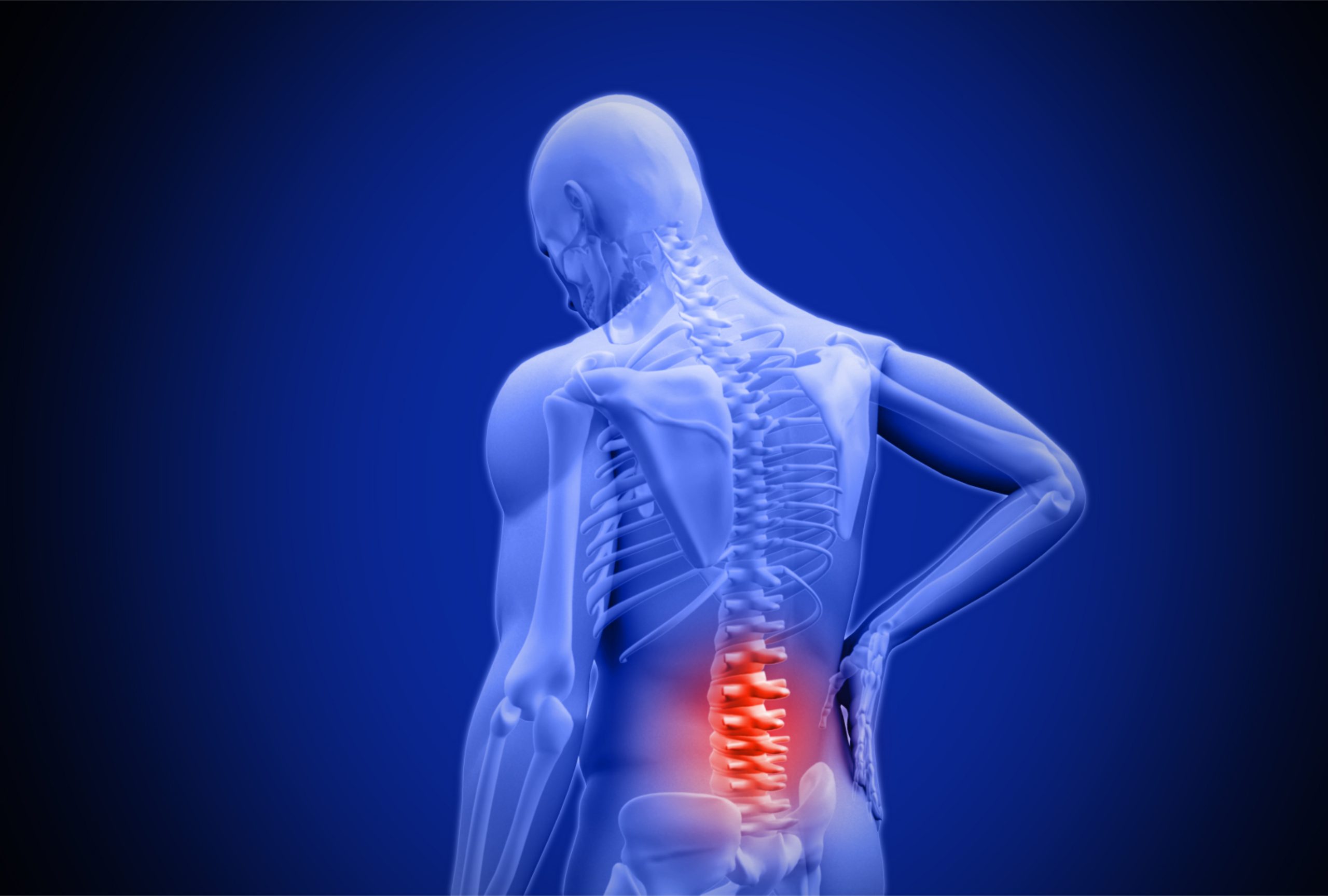
Illustration of a human skeleton highlighting lower back pain with a red glowing area in the lumbar spine

Lower Back Pain Physiotherapy: From Diagnosis to Recovery

Lower back pain affects millions worldwide, often disrupting daily life and productivity. This non-invasive approach not only alleviates discomfort but also addresses root causes, promoting long-term recovery. In this comprehensive guide, we’ll explore physiotherapy for lower back pain, from initial diagnosis to full rehabilitation. 

Whether you’re dealing with acute twinges from poor posture or chronic issues stemming from injury, physiotherapy offers a structured path forward. By focusing on personalized exercises, manual techniques, and lifestyle adjustments, it empowers you to regain strength and mobility. 

Lower Back Pain: Causes and Why Physiotherapy Matters

Lower back pain, or lumbar pain, refers to discomfort in the region between the lower rib cage and the upper buttocks. Common causes include muscle strains from heavy lifting, poor ergonomics at work, sedentary lifestyles, or age-related degeneration.

Physiotherapy stands out as a cornerstone of lower back pain treatment because it targets both symptoms and underlying imbalances. Unlike painkillers that offer temporary relief, physiotherapy rebuilds core stability, improves flexibility, and corrects movement patterns. Studies show that early intervention can reduce recovery time by up to 50%, preventing the pain from becoming chronic. For instance, weak abdominal or gluteal muscles often contribute to spinal overload, and targeted therapy restores this balance.

Acute pain lasts under six weeks and often resolves with rest and light activity, while chronic pain persists beyond three months, requiring multifaceted rehab. Physiotherapists assess these nuances to tailor plans, ensuring holistic care.

Diagnosis: Pinpointing the Source of Your Pain

Accurate diagnosis is the foundation of effective physiotherapy for lower back pain. It begins with a thorough clinical evaluation, where your physiotherapist reviews your medical history, pain onset, and aggravating factors. Expect questions like: “On a scale of 0-10, how severe is the pain?” or “Does it radiate to your legs?” This helps differentiate mechanical issues from red flags like infections or fractures.

Physical exams involve observing posture, range of motion, and strength tests such as walking, bending, or leg lifts to identify limitations. Palpation (pressing along the spine) detects tender spots, while neurological checks rule out nerve involvement, like sciatica.

If needed, imaging supports the process. X-rays reveal bone abnormalities, while MRIs detail soft tissues like discs and ligaments. Blood tests might screen for inflammatory conditions. The goal? A clear picture without over-relying on scans, as most cases (over 90%) are mechanical and don’t require them.

In physiotherapy clinics, diagnosis often integrates functional assessments, like the Oswestry Disability Index, to quantify how pain impacts activities. This data-driven approach ensures treatments align with your lifestyle, setting the stage for recovery.

Treatment Phases: A Step-by-Step Physiotherapy Journey

Physiotherapy for lower back pain unfolds in phases, adapting to your progress. The acute phase (first 1-2 weeks) focuses on pain control and gentle mobilization. Therapists use modalities like heat/ice packs, ultrasound, or TENS (transcutaneous electrical nerve stimulation) to reduce inflammation. Manual therapy, soft tissue massage or joint mobilizations, eases muscle spasms without aggressive manipulation.

Transitioning to the subacute phase (weeks 2-6), the emphasis shifts to active rehab. Customized exercises build endurance, starting with low-impact activities like walking or swimming. Physiotherapists teach proper body mechanics, such as safe lifting techniques, to prevent re-injury. Cognitive elements, like mindfulness for pain coping, may integrate here, drawing from CBT principles.

For chronic cases (beyond 6 weeks), treatment intensifies with advanced strengthening and functional training. This might include dry needling for trigger points or biofeedback to retrain posture. Sessions typically last 30-60 minutes, 2-3 times weekly, with home programs for consistency. Evidence from NHS guidelines highlights that combining exercise with education yields 70% better outcomes than rest alone.

Throughout, progress is monitored via pain scales and mobility tests, adjusting as needed. This phased model ensures steady gains, minimizing setbacks.

Key Exercises: Building Strength and Stability

No lower back pain treatment plan is complete without exercises. These target the core, glutes, and back extensors, fostering resilience. Always consult a physiotherapist before starting, especially post-injury.

  1. Glute Bridge: Lie on your back, knees bent, feet flat. Lift hips by squeezing glutes, forming a straight line from knees to shoulders. Hold 10-15 seconds, repeat 15 times (3 sets). Benefits: Activates glutes to support the lower spine, reducing strain during daily movements.
  2. Transverse Abdominis Activation: On your back, inhale deeply, then exhale while drawing your navel toward your spine. Hold 5 seconds, repeat 5 times. Benefits: Engages deep core muscles for spinal stability, preventing compensatory back overuse.
  3. Side-Lying Leg Raise: Lie on your side, bottom leg bent. Lift top leg 12-18 inches, hold 2 seconds, 10 reps per side (3 sets). Benefits: Strengthens hip abductors, improving pelvic alignment and balance to offload the lumbar area.
  4. Superman: Prone position, arms extended. Lift arms, chest, and legs 6 inches off the floor, hold 2 seconds, 10 reps. Benefits: Bolsters erector spinae muscles for better posture and arch support.
  5. Partial Abdominal Crunch: On your back, hands crossed over chest. Lift shoulders slightly while bracing abs, 10 reps (3 sets). Benefits: Fortifies rectus abdominis for hip and spine alignment.

Incorporate these 3-4 times weekly, progressing gradually. McKenzie exercises, like prone press-ups, can complement disc-related pain, promoting centralization (pain shifting toward the spine).

Recovery Strategies: Monitoring Progress and Avoiding Setbacks

Recovery from lower back pain via physiotherapy typically spans 4-12 weeks, with 80% improving within a month. Track milestones: reduced pain during sitting, easier bending, or resumed hobbies. Self-help tools like ice for acute flares or heat for stiffness aid daily management.

Lifestyle tweaks accelerate healing, maintain a healthy weight, use ergonomic setups, and stay hydrated. If pain persists, revisit your therapist for tweaks. Remember, consistency trumps intensity; overdoing it risks flares.

Prevention: Sustaining a Pain-Free Life

Prevention clusters around proactive habits. Ergonomic workstations, regular breaks from sitting, and core routines like yoga ward off recurrence. Aim for 150 minutes of moderate activity weekly, mixing cardio with strength training.In conclusion, physiotherapy for lower back pain transforms diagnosis into empowered recovery, blending science with personalized care. Physio Asia Therapy Centre is an award-winning clinic dedicated to providing efficient, effective physiotherapy services in Singapore.


The Role of Therapy in Spine Health: Techniques and Benefits

Maintaining a healthy spine is crucial to overall well-being, as it supports mobility, posture, and the protection of the nervous system. With the modern sedentary lifestyle, poor posture habits, and increasing stress on the spine, more people are experiencing back pain and spinal conditions. Fortunately, spine therapy for back pain has emerged as a comprehensive and effective solution to restore spinal health and enhance quality of life.

What Is Spine Therapy?

Spine therapy refers to a range of therapeutic techniques focused on the diagnosis, treatment, and prevention of spine-related conditions, particularly back and neck pain. These therapies may include manual physiotherapy, spinal decompression, chiropractic care, exercise programs, and posture correction methods. The goal is to reduce pain, improve mobility, correct musculoskeletal imbalances, and restore optimal spinal alignment.

Common Causes of Spine Pain

Before understanding therapy options, it’s vital to identify the common causes of spinal pain:

  • Poor posture due to prolonged sitting
  • Herniated or slipped discs
  • Degenerative disc disease
  • Spinal stenosis
  • Muscle imbalances and tightness
  • Injury or trauma
  • Postural stress during pregnancy

These conditions can lead to chronic back or neck pain, reduced flexibility, and even nerve-related issues if left untreated.

Techniques in Spine Therapy

1. Manual Physiotherapy

Manual therapy is a hands-on approach where physiotherapists use specific techniques to manipulate soft tissues and joints. These include:

  • Mobilization and manipulation to reduce stiffness
  • Soft tissue massage to alleviate muscle tension
  • Trigger point therapy to relieve localized pain

Manual physiotherapy is often used to manage lower back pain, disc issues, and muscular tightness.

2. Spinal Decompression Therapy

This non-invasive technique uses a traction table or similar device to gently stretch the spine. This process helps:

  • Relieve pressure on compressed discs
  • Promote the movement of water, oxygen, and nutrient-rich fluids into the discs
  • Alleviate conditions such as herniated discs or sciatica

3. Electrotherapy and Ultrasound

Advanced therapies like TENS (Transcutaneous Electrical Nerve Stimulation) and therapeutic ultrasound are often used to reduce inflammation, enhance circulation, and manage acute pain episodes.

4. Dry Needling and Acupuncture

These techniques are increasingly integrated into spine therapy programs. By targeting myofascial trigger points, dry needling can significantly reduce muscle tightness and nerve irritation.

Benefits of Spine Therapy

1. Pain Relief Without Surgery

One of the greatest benefits of spine therapy is pain relief through non-surgical methods. This approach is often preferred before resorting to invasive procedures like spinal surgery.

2. Improved Mobility and Function

Therapeutic techniques restore the range of motion in the spine and surrounding muscles. This translates to greater flexibility, reduced stiffness, and a more active lifestyle.

3. Posture Correction

Postural problems are among the most common causes of chronic back and neck pain. Therapy sessions focus on identifying poor posture habits and training the body for better alignment through ergonomic guidance and corrective exercises.

4. Reduced Risk of Recurrence

Therapy not only treats the symptoms but addresses the root cause of the issue, whether it’s muscle imbalance, disc degeneration, or mechanical stress. By strengthening and conditioning the spine, therapy significantly lowers the chance of recurrence.

5. Holistic Wellness

Therapists often integrate breathing exercises, stress management techniques, and lifestyle coaching to support mental well-being alongside physical rehabilitation. Spine health is deeply connected to overall vitality.

When Should You Seek Spine Therapy?

It’s crucial to recognize the early signs of spinal issues and consult a physiotherapy professional. Consider seeking therapy if you experience:

  • More than two weeks of continuous neck or back pain
  • Pain that radiates down your legs or arms
  • Stiffness or limited range of motion
  • Tingling, numbness, or weakness in limbs
  • Posture problems affecting your work or daily activities

Timely intervention can prevent minor problems from escalating into serious spinal disorders.

The Role of Evidence in Modern Therapy

Modern physiotherapy relies heavily on evidence-based practices. This means that all techniques and recommendations are backed by scientific research, clinical experience, and patient outcomes.

Preventive Tips for a Healthy Spine

Therapy isn’t just for recovery, it’s also for prevention. Here are a few tips therapists often recommend:

  • Practice proper ergonomics at work and home
  • Take regular breaks to stretch during long periods of sitting
  • Engage in regular physical activity, focusing on low-impact exercises like swimming or walking
  • Use supportive furniture and sleep on a spine-friendly mattress
  • Maintain a healthy weight to avoid unnecessary stress on the spine

Spinal therapy includes education on lifestyle choices, ensuring patients not only heal but thrive.

Conclusion: Spine Therapy Is an Investment in Long-Term Health

Your spine is your body’s central pillar, supporting movement, protecting nerves, and enabling daily life. Whether you’re dealing with persistent back pain, recovering from an injury, or seeking to improve posture, spine therapy for back pain offers a safe and effective path to relief and recovery.

By combining evidence-based methods, personalized treatment plans, and expert care, spinal therapy transforms the way individuals experience health. It empowers patients to take control of their mobility, pain, and future well-being.Award-winning Physio Asia Therapy Centre is committed to provide evidence-based, efficient, and successful physiotherapy Singapore. With a team of highly trained professionals and state-of-the-art techniques, Physio Asia offers personalized spine therapy programs that help individuals regain strength, mobility, and pain-free living. Whether you are recovering from injury or aiming to maintain optimal spinal health, Physio Asia is your trusted partner in wellness.

Top-Rated Sciatica Pain Treatment Methods That Really Work

Sciatica is more than just back pain; it’s a radiating, often excruciating discomfort that can travel down your leg, disrupt your sleep, and interfere with your daily life. Affecting millions worldwide, sciatica stems from irritation or compression of the sciatic nerve, which runs from the lower back down to the feet.

While “some” recover easily, “some” fight debilitating symptoms that require effective management. If you’re dealing with sciatica, you’re not alone, and you don’t need to suffer in silence. This blog discusses highly rated, science-supported, and effective sciatica pain treatment approaches that work—just proven solutions.

Knowing the Source of Sciatica pain 

Before delving into remedies, it’s essential to know what causes sciatica:

  • Herniated or bulging disc (most prevalent)
  • Spinal stenosis (spinal narrowing)
  • Piriformis syndrome
  • Degenerative disc disease
  • Trauma or injury
  • Pregnancy

The pain usually occurs on one side of the body and may come along with symptoms such as:

  • Shooting leg pain
  • Numbness or tingling sensation
  • Weakened muscle
  • Stiffness of the lower back

Since sciatica is a symptom of an underlying condition, treatment for it includes addressing the underlying cause and managing pain at the same time.

1. Physical Therapy and Targeted Exercises

Why it works: Sciatica usually responds well to certain stretching and strengthening exercises. A physical therapist can customise a program to your condition, alleviating nerve compression, building core strength, and enhancing posture.

Common helpful exercises:

  • Pelvic tilts
  • Knee-to-chest stretches
  • Cat-cow stretch
  • Piriformis stretch
  • Hamstring stretches

Pro Tip: Don’t diagnose yourself. An experienced physiotherapist can test your spinal alignment, detect muscular imbalances, and create an Individual program. Regular sessions can minimise flare-ups and regain long-term mobility.

2. Heat and Cold Therapy

Why it works: Cold packs can decrease swelling, whereas heat therapy relaxes Tight muscles and improves circulation.

How to use:

Use cold (ice pack in a towel) for 15–20 minutes, a few times a day with early flare-ups.

Switch to heat (hot water bottle or heating pad) after a few days to relax doesn’t heal- it just eases the symptoms 

Pro Tip: Do not use heat or ice on bare skin, and use each session sparingly to prevent damage to your skin.

3. Nonsteroidal Anti-inflammatory Drugs (NSAIDs)

Why it works: Short-term relief from pain can be achieved using over-the-counter NSAIDs such as ibuprofen (Advil) or naproxen (Aleve), which reduce inflammation in the area surrounding the nerve.

These drugs are particularly beneficial in the initial days when swelling is adding to nerve compression.

Note: Always be guided by dosages and consult your doctor, particularly if you have kidney problems, ulcers, or are taking other drugs.

4. Epidural Steroid Injections

Why it works: For acute or chronic sciatica, an injection of a corticosteroid into the spine may rapidly cause inflammation and pain.

The injections do not cure the underlying issue, but can relieve enough to permit physical therapy or changes in lifestyle to take hold effectively.

What to expect:

  • Relief from pain may last between a few weeks to several months.
  • Not done under X-ray
  • Limit: Not more than three injections yearly are advised

Pro Tip: They are most effective when combined with a full plan, including exercise and rehab.

5. Dry Needling

How it works: Acupuncture stimulates the nerves and gives an increase in blood flow, which may promote healing and pain relief.

Some studies endorse acupuncture as an added therapy to sciatica, especially when combined with standard treatments.

How it assists:

  • Releases endorphins (naturally occurring painkillers)
  • Relaxes contracted muscles
  • Reduces inflammation

Pro Tip: Seek a licensed, certified practitioner and always check credentials.

6. Manual Therapy

Why it works: Manual therapy can ease sciatica pain by loosening muscles (particularly in the lower back and buttocks) that could be compressing the sciatic nerve.

Key benefits:

  • Improves circulation
  • Promotes relaxation
  • Decreases muscle spasms

Manual therapy will not address the structural underlying cause, but it will provide excellent relief and will decrease stress, which usually exacerbates chronic pain.

7. Lifestyle Changes

Sciatica tends to recur when underlying lifestyle issues are not corrected. Some significant long-term changes are:

 Correct posture:

  • Sit in ergonomic chairs
  • Steer clear of prolonged sitting.
  • Invest in lumbar rolls.

Healthy weight:

Excess weight puts additional pressure on your spine

Regular exercise:

Daily walking, swimming, or low-impact aerobics

8. Surgery (When All Else Fails)

Why it works: If conservative care is not working after 6–12 weeks, surgery can be an option if you have:

  • Progressive leg weakness
  • Loss of bladder/bowel control
  • Disabling, severe pain

Typical surgeries for sciatica:

Microdiscectomy: Discovers and removes part of a herniated disc

Laminectomy: Discovers and removes part of the vertebrae to take pressure off the nerve

These treatments are highly successful and have fairly quick recovery periods when carried out by skilled surgeons.

Pro Tip: Always get a second opinion and try all non-surgical approaches first unless your symptoms are severe or getting worse.

The medical field is constantly evolving, and new treatments for sciatica pain are gaining popularity

9. Platelet-Rich Plasma (PRP) Therapy

  • Radiofrequency ablation (RFA)
  • Spinal cord stimulation

While others are yet to be researched, they might be worthy of discussion with a pain management physician.

When to See Your Doctor Right Away

Sciatica can typically be treated conservatively, but some red flags should call for immediate medical care:

  • Abrupt, extreme weakness in the leg
  • Numbness inside the thighs or about the groin (saddle anaesthesia)
  • Loss of bowel or bladder function
  • Unintentional loss of weight
  • Back pain accompanied by fever

These may indicate cauda equina syndrome, an emergency that needs immediate surgery.

Last Words: Melding Treatment Strategies is Best

One treatment doesn’t fit all. The best pain relief from sciatica is a tailored mix of treatments, usually progressing from least to most aggressive as necessary.

An average course of treatment may involve:

  • NSAIDs and rest for the first several days
  • Start physical therapy and gentle exercise.
  • Incorporate heat/cold, massage, or dry needing to alleviate symptoms.

Consistency is most important. Stick to daily exercises, lifestyle modifications, and follow-up treatment. With the correct plan, sciatica pain doesn’t have to less dramatic.

Takeaway

Life with sciatica can be frustrating, but there is hope for relief. With a less intense and multifaceted treatment plan, most individuals heal without surgery. Whether you’re just starting your recovery or exploring more advanced options, these top-rated treatments offer real hope for lasting pain relief.
Need help designing a personal sciatica recovery plan? Consult a licensed physiotherapist at Physio Asia Therapy Centre, your partner in recovery and long-term wellness. Take the first step toward lasting relief today.