
 (+65)67364142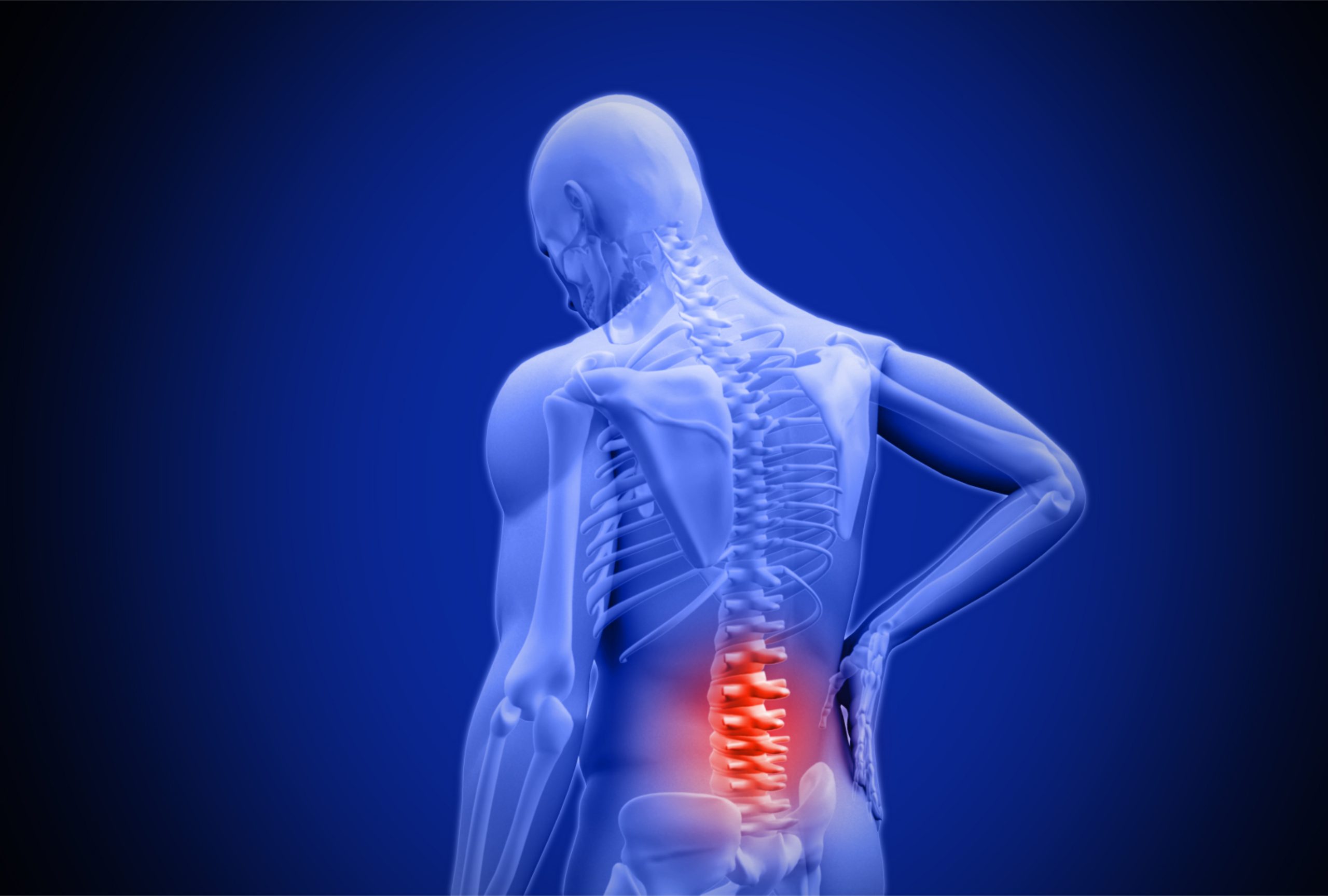
Lower back pain affects millions worldwide, often disrupting daily life and productivity. This non-invasive approach not only alleviates discomfort but also addresses root causes, promoting long-term recovery. In this comprehensive guide, we’ll explore physiotherapy for lower back pain, from initial diagnosis to full rehabilitation.
Whether you’re dealing with acute twinges from poor posture or chronic issues stemming from injury, physiotherapy offers a structured path forward. By focusing on personalized exercises, manual techniques, and lifestyle adjustments, it empowers you to regain strength and mobility.
Lower Back Pain: Causes and Why Physiotherapy Matters
Lower back pain, or lumbar pain, refers to discomfort in the region between the lower rib cage and the upper buttocks. Common causes include muscle strains from heavy lifting, poor ergonomics at work, sedentary lifestyles, or age-related degeneration.
Physiotherapy stands out as a cornerstone of lower back pain treatment because it targets both symptoms and underlying imbalances. Unlike painkillers that offer temporary relief, physiotherapy rebuilds core stability, improves flexibility, and corrects movement patterns. Studies show that early intervention can reduce recovery time by up to 50%, preventing the pain from becoming chronic. For instance, weak abdominal or gluteal muscles often contribute to spinal overload, and targeted therapy restores this balance.
Acute pain lasts under six weeks and often resolves with rest and light activity, while chronic pain persists beyond three months, requiring multifaceted rehab. Physiotherapists assess these nuances to tailor plans, ensuring holistic care.
Diagnosis: Pinpointing the Source of Your Pain
Accurate diagnosis is the foundation of effective physiotherapy for lower back pain. It begins with a thorough clinical evaluation, where your physiotherapist reviews your medical history, pain onset, and aggravating factors. Expect questions like: “On a scale of 0-10, how severe is the pain?” or “Does it radiate to your legs?” This helps differentiate mechanical issues from red flags like infections or fractures.
Physical exams involve observing posture, range of motion, and strength tests such as walking, bending, or leg lifts to identify limitations. Palpation (pressing along the spine) detects tender spots, while neurological checks rule out nerve involvement, like sciatica.
If needed, imaging supports the process. X-rays reveal bone abnormalities, while MRIs detail soft tissues like discs and ligaments. Blood tests might screen for inflammatory conditions. The goal? A clear picture without over-relying on scans, as most cases (over 90%) are mechanical and don’t require them.
In physiotherapy clinics, diagnosis often integrates functional assessments, like the Oswestry Disability Index, to quantify how pain impacts activities. This data-driven approach ensures treatments align with your lifestyle, setting the stage for recovery.
Treatment Phases: A Step-by-Step Physiotherapy Journey
Physiotherapy for lower back pain unfolds in phases, adapting to your progress. The acute phase (first 1-2 weeks) focuses on pain control and gentle mobilization. Therapists use modalities like heat/ice packs, ultrasound, or TENS (transcutaneous electrical nerve stimulation) to reduce inflammation. Manual therapy, soft tissue massage or joint mobilizations, eases muscle spasms without aggressive manipulation.
Transitioning to the subacute phase (weeks 2-6), the emphasis shifts to active rehab. Customized exercises build endurance, starting with low-impact activities like walking or swimming. Physiotherapists teach proper body mechanics, such as safe lifting techniques, to prevent re-injury. Cognitive elements, like mindfulness for pain coping, may integrate here, drawing from CBT principles.
For chronic cases (beyond 6 weeks), treatment intensifies with advanced strengthening and functional training. This might include dry needling for trigger points or biofeedback to retrain posture. Sessions typically last 30-60 minutes, 2-3 times weekly, with home programs for consistency. Evidence from NHS guidelines highlights that combining exercise with education yields 70% better outcomes than rest alone.
Throughout, progress is monitored via pain scales and mobility tests, adjusting as needed. This phased model ensures steady gains, minimizing setbacks.
Key Exercises: Building Strength and Stability
No lower back pain treatment plan is complete without exercises. These target the core, glutes, and back extensors, fostering resilience. Always consult a physiotherapist before starting, especially post-injury.
- Glute Bridge: Lie on your back, knees bent, feet flat. Lift hips by squeezing glutes, forming a straight line from knees to shoulders. Hold 10-15 seconds, repeat 15 times (3 sets). Benefits: Activates glutes to support the lower spine, reducing strain during daily movements.
- Transverse Abdominis Activation: On your back, inhale deeply, then exhale while drawing your navel toward your spine. Hold 5 seconds, repeat 5 times. Benefits: Engages deep core muscles for spinal stability, preventing compensatory back overuse.
- Side-Lying Leg Raise: Lie on your side, bottom leg bent. Lift top leg 12-18 inches, hold 2 seconds, 10 reps per side (3 sets). Benefits: Strengthens hip abductors, improving pelvic alignment and balance to offload the lumbar area.
- Superman: Prone position, arms extended. Lift arms, chest, and legs 6 inches off the floor, hold 2 seconds, 10 reps. Benefits: Bolsters erector spinae muscles for better posture and arch support.
- Partial Abdominal Crunch: On your back, hands crossed over chest. Lift shoulders slightly while bracing abs, 10 reps (3 sets). Benefits: Fortifies rectus abdominis for hip and spine alignment.
Incorporate these 3-4 times weekly, progressing gradually. McKenzie exercises, like prone press-ups, can complement disc-related pain, promoting centralization (pain shifting toward the spine).
Recovery Strategies: Monitoring Progress and Avoiding Setbacks
Recovery from lower back pain via physiotherapy typically spans 4-12 weeks, with 80% improving within a month. Track milestones: reduced pain during sitting, easier bending, or resumed hobbies. Self-help tools like ice for acute flares or heat for stiffness aid daily management.
Lifestyle tweaks accelerate healing, maintain a healthy weight, use ergonomic setups, and stay hydrated. If pain persists, revisit your therapist for tweaks. Remember, consistency trumps intensity; overdoing it risks flares.
Prevention: Sustaining a Pain-Free Life
Prevention clusters around proactive habits. Ergonomic workstations, regular breaks from sitting, and core routines like yoga ward off recurrence. Aim for 150 minutes of moderate activity weekly, mixing cardio with strength training.In conclusion, physiotherapy for lower back pain transforms diagnosis into empowered recovery, blending science with personalized care. Physio Asia Therapy Centre is an award-winning clinic dedicated to providing efficient, effective physiotherapy services in Singapore.