(+65)67364142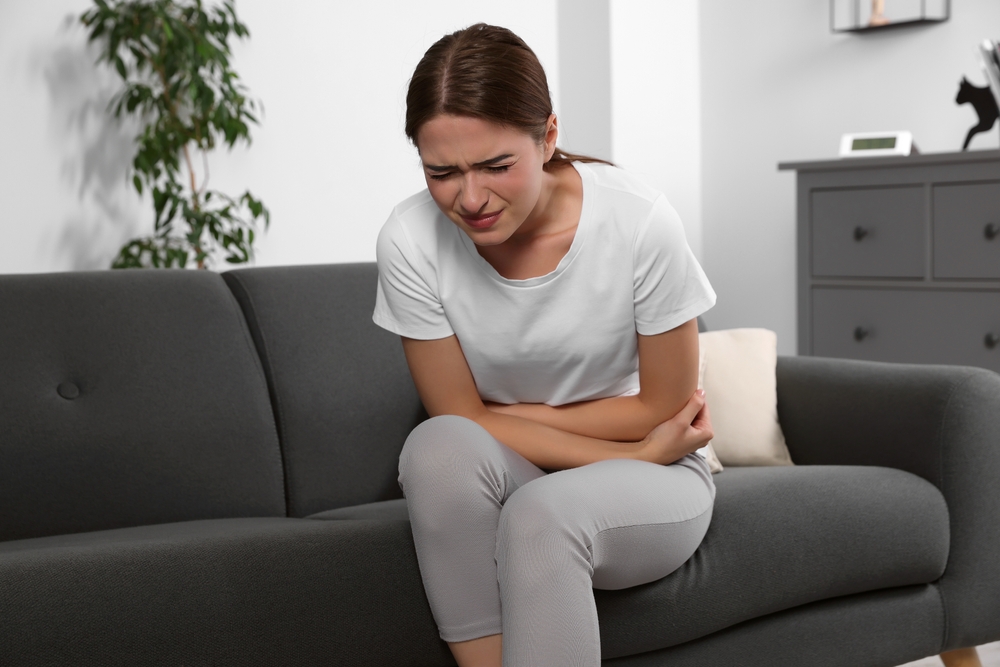
What Causes Pelvic Pain?
Pain felt in the region between the hips, lower abdomen, and perineum is a common and often distressing problem affecting both men and women. It may be acute, appearing suddenly due to injury, infection, or inflammation, or chronic, persisting for months or even years and often involving multiple overlapping causes.
Pelvic Floor Muscle Dysfunction
Tension, spasm, weakness, or trigger points in the pelvic floor muscles (hypertonia or myofascial pain) can lead to persistent discomfort, urinary or bowel symptoms, and pain during intercourse. Left untreated, this dysfunction may also cause secondary issues like hip or lower back pain due to compensatory muscle overuse.
Endometriosis & Adenomyosis
Endometrial tissue growing outside the uterus or into the uterine wall leads to inflammation, cyclical pain, dyspareunia, and may aggravate pelvic floor dysfunction. These conditions often cause significant emotional distress and may affect fertility, making timely diagnosis and treatment crucial.
Interstitial Cystitis/Bladder Pain Syndrome
Chronic inflammatory bladder conditions cause urgency, frequency, pain during bladder filling and referred pelvic pain. This can significantly impact daily life, limiting fluid intake, disrupting sleep, and creating anxiety around social activities.
Pelvic Congestion Syndrome
Enlarged veins and vein valve insufficiency in the pelvis cause dull, aching pain that worsens on standing or during sexual activity; it affects up to 30% of women with chronic pelvic pain. Symptoms often intensify premenstrually and may be mistaken for other gynecological issues.
Pudendal Neuralgia (Pudendal Nerve Entrapment)
Compression or irritation of the pudendal nerve causes neuropathic symptoms, burning, numbness, and pain while sitting, with possible sexual and urinary dysfunction. Prolonged sitting or cycling often worsens the pain, making daily activities particularly challenging.
Pelvic Girdle Pain & Symphysis Pubis Dysfunction
Often occurring in pregnancy/postpartum, conditions such as pelvic girdle pain (PGP) or SPD produce pain in the pubic joint, lower back, hips or legs and can persist for months or even years postpartum. Physiotherapy can greatly help by improving joint stability and reducing strain.
Post‑surgical Adhesions & Trauma
Operations such as hysterectomy, colorectal, or pelvic mesh placement may lead to scar tissue, adhesions, or nerve irritation that causes chronic pelvic pain. These adhesions can also restrict organ mobility, further worsening discomfort and limiting movement.
Lifestyle Factors
Obesity, sedentary lifestyle, heavy lifting, chronic constipation or diarrhoea, and poor posture may strain or inflame the pelvic floor region. Addressing these habits through physiotherapy and lifestyle adjustments can significantly reduce pain recurrence.
How Physiotherapy Helps Pelvic Pain: The Role of “Pelvic Floor Physical Therapy”
Assessment & Diagnosis
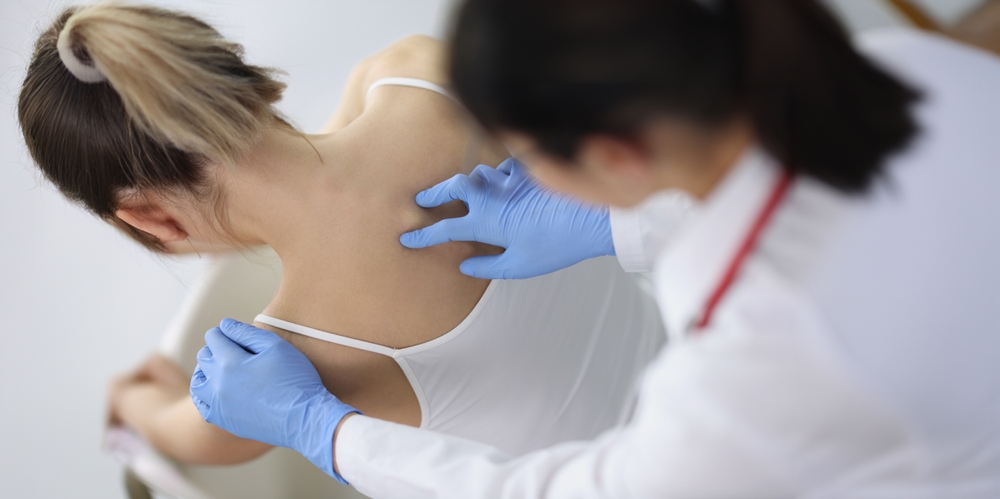
A specialist physiotherapist evaluates posture, gait, movement patterns, pelvic alignment, and pelvic floor muscle function to pinpoint causes such as muscle overactivity, weakness, trigger points or nerve entrapment. Testing may include internal examination, neural mobility scans and pelvic floor muscle activation assessment.
Manual Therapy & Trigger‑Point Release
Hands‑on approaches like myofascial release, soft‑tissue massage, and internal/external trigger‑point release reduce pelvic muscle tension and scar tightness. Studies show manual therapy twice weekly over 8–12 weeks significantly improves hypertonic pelvic floor symptoms.
Pelvic Floor Muscle Rehabilitation
- Down‑training (Reverse Kegels): Teaches hypertonic pelvic floor muscles to relax, reducing spasm and pain.
- Kegel Strengthening: For weakened pelvic floor, pelvic floor physical therapy prescribes Kegels and guided strengthening, improving support and reducing dysfunction.
- Biofeedback & Electrostimulation: Biofeedback helps patients regain awareness and control of pelvic floor activation, while TENS and electrostimulation relieve pain and retrain muscle function.
Therapeutic Exercise & Core Stabilization
Physiotherapy designs tailored programs: core strengthening, flexibility, stretching of hip‑pelvic muscles, neural mobilization, and low‑impact activities (Pilates, yoga, swimming) to restore muscular balance and improve mobility.
Education & Lifestyle Modification
Empowering patients with knowledge about pain physiology, posture, ergonomics (e.g. sit/stand desks, coccyx cushions), bladder/bowel habits, dietary changes, stress reduction, and self‑management strategies supports long‑term recovery.
Multidisciplinary Collaboration
Pelvic floor physical therapists collaborate with gynecologists, urologists, pain specialists and other healthcare professionals when conditions such as endometriosis, pudendal neuropathy or pelvic congestion syndrome require medical, surgical, or hormonal management.
Why Choose Evidence‑Based Pelvic Floor Physical Therapy?
- Recognised as safe, non‑invasive and patient‑centred.
- Evidence‑based protocols demonstrate effectiveness in reducing pain, improving function, bladder/bowel control and sexual comfort
- Personalized therapy targets root causes rather than just masking symptoms.
- Long‑term benefits include reduced anxiety, improved quality of life and restored confidence in physical activity.
Why Physiotherapy Is Vital for Pelvic Pain Relief
Pelvic pain is often complex, with overlapping causes across muscles, nerves, organs and lifestyle habits. A tailored approach using pelvic floor physical therapy, manual therapy, therapeutic exercise, education, and interdisciplinary coordination, empowers you to regain function and comfort. By addressing both physical and psychosocial factors, physiotherapy supports lasting relief and resilience.Physio Asia Therapy Centre is an award‑winning clinic in Singapore, dedicated to providing efficient, effective, and evidence-based physiotherapy and rehabilitation services. Our pelvic health specialists offer compassionate, multidisciplinary care, from detailed assessment through to personalized exercise programs and lifestyle guidance, helping you overcome pelvic pain and reclaim your quality of life.