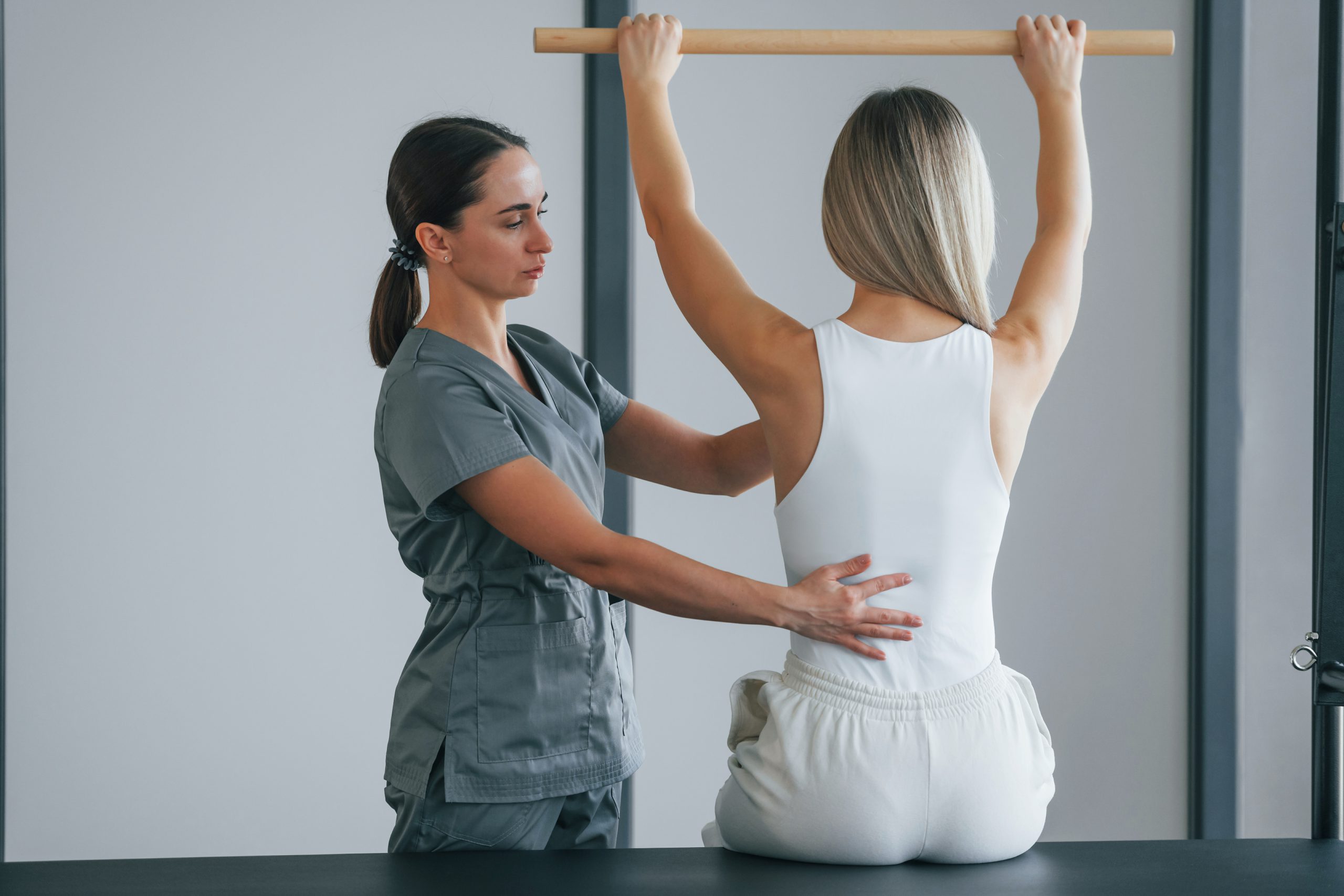
Manage and Relieve Pain With Wrist Pain Physiotherapy

Posted on |
Person holding their wrist due to discomfort, illustrating wrist pain physiotherapy treatment.

Manage and Relieve Pain With Wrist Pain Physiotherapy

Wrist pain is a common and often debilitating condition that can significantly impact daily activities and quality of life. From typing at a computer to engaging in sports or even performing simple household tasks, a healthy wrist is essential for function and independence. While many people may initially dismiss wrist pain as a minor inconvenience, failing to address it can lead to chronic discomfort, loss of strength, and long-term dysfunction. Physiotherapy offers a highly effective and evidence-based approach to not only managing but also preventing and relieving wrist pain, providing a path to lasting recovery and improved mobility.

Understanding the Common Causes of Wrist Pain

The wrist is a complex structure composed of eight small carpal bones, two forearm bones (the radius and ulna), and an intricate network of ligaments, tendons, and nerves. Due to its complexity and frequent use, the wrist is susceptible to a wide range of injuries and conditions. A thorough understanding of the potential causes is the first step toward effective treatment.

  • Repetitive Strain Injuries (RSI): This is one of the most frequent causes of wrist pain, resulting from continuous and repetitive movements. Activities such as typing, using a computer mouse, assembly line work, or playing certain sports (e.g., tennis, golf) can lead to inflammation and damage to the tendons and muscles.
  • Carpal Tunnel Syndrome: A well-known condition that arises from the compression of the median nerve as it passes through the carpal tunnel in the wrist. This compression can cause pain, numbness, tingling, and weakness in the hand, thumb, and fingers, often worsening at night.
  • De Quervain’s Tenosynovitis: This is an inflammation of the tendons on the thumb side of the wrist. It’s often caused by repetitive motions involving gripping or pinching, making it common in new parents (from lifting a baby), gardeners, and individuals who engage in frequent, forceful thumb movements.
  • Sudden Injuries: Acute injuries, such as falling on an outstretched hand (FOOSH), can lead to wrist sprains, strains, or even fractures of the scaphoid bone or distal radius. These injuries require immediate medical attention and structured rehabilitation.
  • Arthritis: Both osteoarthritis and rheumatoid arthritis can affect the wrist joints. Osteoarthritis is typically a “wear and tear” condition, while rheumatoid arthritis is an autoimmune disorder that causes chronic inflammation of the joints.

The Physiotherapy Approach: A Personalized Path to Relief

Physiotherapy is a holistic and non-invasive treatment option that targets the root cause of wrist pain. Unlike relying solely on medication or temporary fixes, physiotherapy focuses on restoring function, reducing pain, and preventing future injuries. The process begins with a detailed and comprehensive assessment.

Initial Assessment and Diagnosis

A skilled physiotherapist will start by taking a thorough subjective history, asking questions about the onset of the pain, its location, the types of activities that aggravate it, and any previous injuries. This is followed by a physical examination, which includes:

  • Observation: The therapist will visually inspect the wrist and hand for any swelling, redness, or deformities.
  • Movement Testing: Active and passive range of motion tests are performed to assess the wrist’s flexibility and identify any restrictions.
  • Strength Testing: Grip strength and other specific muscle tests are conducted to evaluate muscle weakness.
  • Special Tests: The physiotherapist will perform specific tests to diagnose conditions like Carpal Tunnel Syndrome (e.g., Tinel’s test or Phalen’s test) or De Quervain’s Tenosynovitis (e.g., Finkelstein’s test).
  • Neurological Assessment: This evaluates nerve function to check for any nerve entrapment or compression.

This detailed assessment allows the therapist to accurately diagnose the condition and develop a customized treatment plan tailored to the individual’s needs and goals.

Core Treatment Modalities in Wrist Pain Physiotherapy

The treatment plan for wrist pain typically involves a combination of hands-on techniques, therapeutic exercises, and specialized modalities.

1. Manual Therapy

Manual therapy involves a variety of hands-on techniques performed by the physiotherapist to reduce pain and improve joint function. These may include:

  • Joint Mobilization: Gentle, controlled movements applied to the wrist joints to reduce stiffness and improve range of motion.
  • Soft Tissue Mobilization: Techniques such as massage and myofascial release to relieve tension in the muscles and tendons of the forearm and hand, improving blood flow and reducing pain.
  • Nerve Gliding Exercises: These are gentle movements designed to help nerves, such as the median nerve in carpal tunnel syndrome, move more smoothly and reduce irritation.

2. Therapeutic Exercises

A cornerstone of physiotherapy is the prescription of a structured exercise program. These exercises are crucial for long-term recovery and prevention.

  • Range of Motion Exercises: Gentle stretches and movements to improve flexibility and combat stiffness. Examples include wrist circles, wrist flexion, and extension stretches.
  • Strengthening Exercises: As pain subsides, the focus shifts to strengthening the muscles of the wrist and forearm. This can involve using a light weight, a resistance band, or a stress ball to improve stability and endurance.
  • Proprioception Exercises: These exercises improve the wrist’s sense of position and movement, enhancing coordination and balance to prevent re-injury.
  • Stretching: Specific stretches for the wrist flexors and extensors help to maintain flexibility and reduce muscle tightness, which can often contribute to pain.

3. Physical Modalities

Physiotherapists also utilize various physical modalities to complement manual therapy and exercises. The Physio Asia Therapy Centre, for example, is known for its use of advanced, evidence-based technologies.

  • Radial Shock Wave Therapy: This therapy uses high-energy sound waves to stimulate blood vessel formation and tissue repair, making it effective for chronic tendon issues.
  • Laser Therapy and Ultrasound Therapy: Both use energy to penetrate deep into tissues, promoting blood supply, reducing inflammation, and accelerating the healing process.
  • Cryotherapy: The application of cold therapy helps to numb pain and reduce inflammation, particularly in the acute stages of an injury.
  • Wrist Guards and Dynamic Taping: These are used to provide support to the joint, relieve muscle tension, and help manage swelling during the recovery period.

The Benefits of Physiotherapy for Wrist Pain

The comprehensive approach of physiotherapy provides numerous benefits that go beyond simple pain relief.

  • Long-Term Relief: By addressing the underlying cause of the pain, physiotherapy offers a more sustainable solution than temporary fixes like medication.
  • Improved Mobility and Strength: Restores the full range of motion and strengthens the supporting muscles, allowing individuals to perform daily tasks without difficulty.
  • Prevention of Recurrence: Through education on proper body mechanics, ergonomics, and an ongoing exercise program, physiotherapy empowers individuals to prevent future episodes of wrist pain.
  • Non-Invasive and Safe: It provides an effective alternative to surgery and other invasive procedures, with a focus on natural healing and rehabilitation.

For anyone experiencing wrist pain, seeking professional help is a crucial step. Early intervention and a well-structured physiotherapy program can make a significant difference in the recovery timeline and overall outcome.
In conclusion, managing and relieving wrist pain through physiotherapy is an effective and comprehensive strategy for anyone suffering from this common ailment. By combining expert assessment, manual therapy, therapeutic exercises, and advanced physical modalities, physiotherapy addresses the root cause of the problem and provides a personalized pathway to long-lasting relief and improved wrist function. The journey to recovery is not just about treating the symptoms but about rebuilding strength, restoring mobility, and empowering individuals with the knowledge to maintain wrist health in the long run. Physio Asia Therapy Centre is an award-winning clinic dedicated to providing efficient, effective, and evidence-based physiotherapy and rehabilitation services in Singapore.

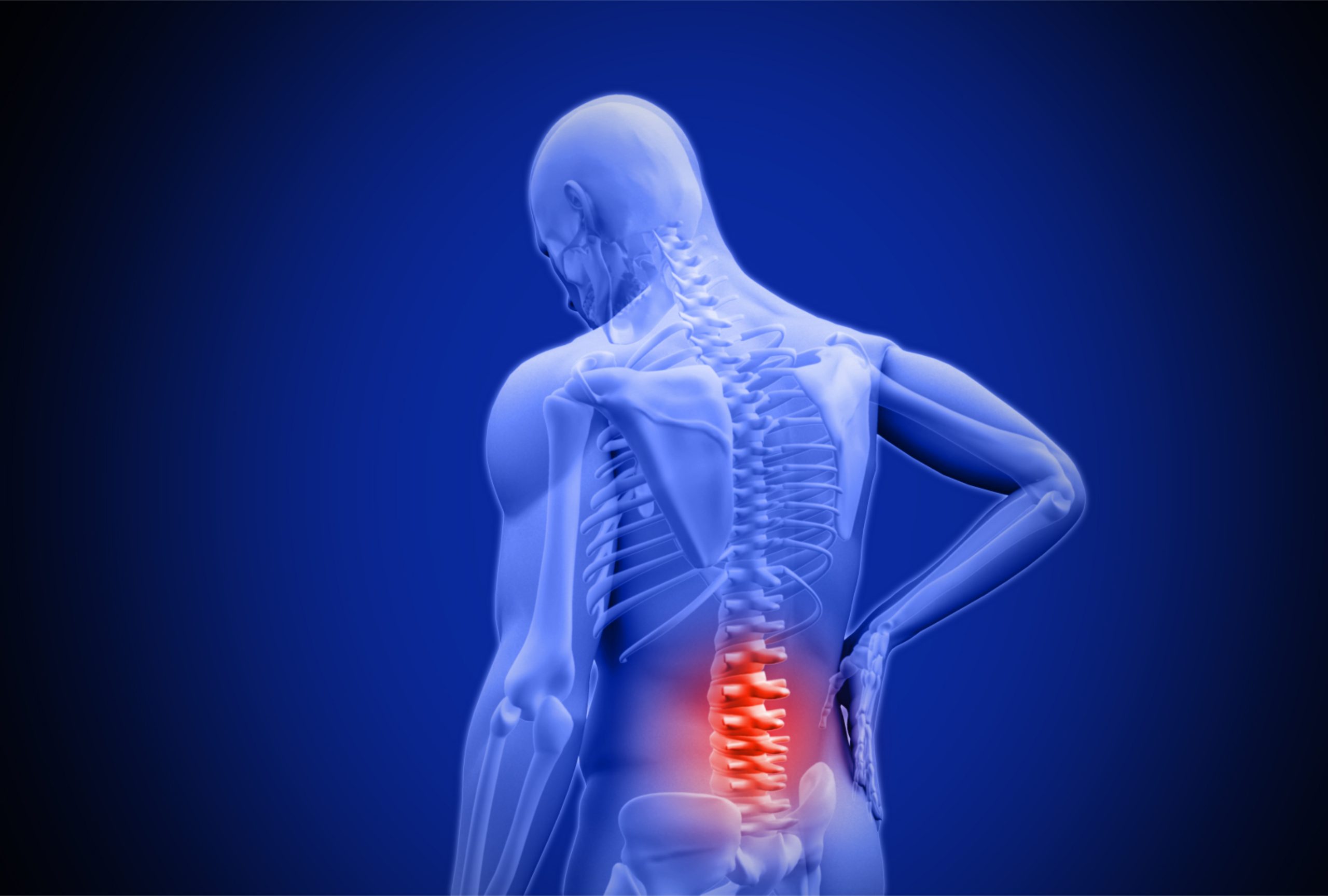
What Causes Pelvic Pain and How Physio Can Help

What Causes Pelvic Pain?

Pain felt in the region between the hips, lower abdomen, and perineum is a common and often distressing problem affecting both men and women. It may be acute, appearing suddenly due to injury, infection, or inflammation, or chronic, persisting for months or even years and often involving multiple overlapping causes.

Pelvic Floor Muscle Dysfunction
Tension, spasm, weakness, or trigger points in the pelvic floor muscles (hypertonia or myofascial pain) can lead to persistent discomfort, urinary or bowel symptoms, and pain during intercourse. Left untreated, this dysfunction may also cause secondary issues like hip or lower back pain due to compensatory muscle overuse.

Endometriosis & Adenomyosis
Endometrial tissue growing outside the uterus or into the uterine wall leads to inflammation, cyclical pain, dyspareunia, and may aggravate pelvic floor dysfunction. These conditions often cause significant emotional distress and may affect fertility, making timely diagnosis and treatment crucial.

Interstitial Cystitis/Bladder Pain Syndrome
Chronic inflammatory bladder conditions cause urgency, frequency, pain during bladder filling and referred pelvic pain. This can significantly impact daily life, limiting fluid intake, disrupting sleep, and creating anxiety around social activities.

Pelvic Congestion Syndrome
Enlarged veins and vein valve insufficiency in the pelvis cause dull, aching pain that worsens on standing or during sexual activity; it affects up to 30% of women with chronic pelvic pain. Symptoms often intensify premenstrually and may be mistaken for other gynecological issues.

Pudendal Neuralgia (Pudendal Nerve Entrapment)
Compression or irritation of the pudendal nerve causes neuropathic symptoms, burning, numbness, and pain while sitting, with possible sexual and urinary dysfunction. Prolonged sitting or cycling often worsens the pain, making daily activities particularly challenging.

Pelvic Girdle Pain & Symphysis Pubis Dysfunction
Often occurring in pregnancy/postpartum, conditions such as pelvic girdle pain (PGP) or SPD produce pain in the pubic joint, lower back, hips or legs and can persist for months or even years postpartum. Physiotherapy can greatly help by improving joint stability and reducing strain.

Post‑surgical Adhesions & Trauma
Operations such as hysterectomy, colorectal, or pelvic mesh placement may lead to scar tissue, adhesions, or nerve irritation that causes chronic pelvic pain. These adhesions can also restrict organ mobility, further worsening discomfort and limiting movement.

Lifestyle Factors
Obesity, sedentary lifestyle, heavy lifting, chronic constipation or diarrhoea, and poor posture may strain or inflame the pelvic floor region. Addressing these habits through physiotherapy and lifestyle adjustments can significantly reduce pain recurrence.

How Physiotherapy Helps Pelvic Pain: The Role of “Pelvic Floor Physical Therapy”

Assessment & Diagnosis

A specialist physiotherapist evaluates posture, gait, movement patterns, pelvic alignment, and pelvic floor muscle function to pinpoint causes such as muscle overactivity, weakness, trigger points or nerve entrapment. Testing may include internal examination, neural mobility scans and pelvic floor muscle activation assessment.

Manual Therapy & Trigger‑Point Release

Hands‑on approaches like myofascial release, soft‑tissue massage, and internal/external trigger‑point release reduce pelvic muscle tension and scar tightness. Studies show manual therapy twice weekly over 8–12 weeks significantly improves hypertonic pelvic floor symptoms.

Pelvic Floor Muscle Rehabilitation

  • Down‑training (Reverse Kegels): Teaches hypertonic pelvic floor muscles to relax, reducing spasm and pain.
  • Kegel Strengthening: For weakened pelvic floor, pelvic floor physical therapy prescribes Kegels and guided strengthening, improving support and reducing dysfunction.
  • Biofeedback & Electrostimulation: Biofeedback helps patients regain awareness and control of pelvic floor activation, while TENS and electrostimulation relieve pain and retrain muscle function.

Therapeutic Exercise & Core Stabilization

Physiotherapy designs tailored programs: core strengthening, flexibility, stretching of hip‑pelvic muscles, neural mobilization, and low‑impact activities (Pilates, yoga, swimming) to restore muscular balance and improve mobility.

Education & Lifestyle Modification

Empowering patients with knowledge about pain physiology, posture, ergonomics (e.g. sit/stand desks, coccyx cushions), bladder/bowel habits, dietary changes, stress reduction, and self‑management strategies supports long‑term recovery.

Multidisciplinary Collaboration

Pelvic floor physical therapists collaborate with gynecologists, urologists, pain specialists and other healthcare professionals when conditions such as endometriosis, pudendal neuropathy or pelvic congestion syndrome require medical, surgical, or hormonal management.

Why Choose Evidence‑Based Pelvic Floor Physical Therapy?

  • Recognised as safe, non‑invasive and patient‑centred.
  • Evidence‑based protocols demonstrate effectiveness in reducing pain, improving function, bladder/bowel control and sexual comfort
  • Personalized therapy targets root causes rather than just masking symptoms.
  • Long‑term benefits include reduced anxiety, improved quality of life and restored confidence in physical activity.

Why Physiotherapy Is Vital for Pelvic Pain Relief

Pelvic pain is often complex, with overlapping causes across muscles, nerves, organs and lifestyle habits. A tailored approach using pelvic floor physical therapy, manual therapy, therapeutic exercise, education, and interdisciplinary coordination, empowers you to regain function and comfort. By addressing both physical and psychosocial factors, physiotherapy supports lasting relief and resilience.Physio Asia Therapy Centre is an award‑winning clinic in Singapore, dedicated to providing efficient, effective, and evidence-based physiotherapy and rehabilitation services. Our pelvic health specialists offer compassionate, multidisciplinary care, from detailed assessment through to personalized exercise programs and lifestyle guidance, helping you overcome pelvic pain and reclaim your quality of life.

Lower Back Pain Physiotherapy: From Diagnosis to Recovery

Lower back pain affects millions worldwide, often disrupting daily life and productivity. This non-invasive approach not only alleviates discomfort but also addresses root causes, promoting long-term recovery. In this comprehensive guide, we’ll explore physiotherapy for lower back pain, from initial diagnosis to full rehabilitation. 

Whether you’re dealing with acute twinges from poor posture or chronic issues stemming from injury, physiotherapy offers a structured path forward. By focusing on personalized exercises, manual techniques, and lifestyle adjustments, it empowers you to regain strength and mobility. 

Lower Back Pain: Causes and Why Physiotherapy Matters

Lower back pain, or lumbar pain, refers to discomfort in the region between the lower rib cage and the upper buttocks. Common causes include muscle strains from heavy lifting, poor ergonomics at work, sedentary lifestyles, or age-related degeneration.

Physiotherapy stands out as a cornerstone of lower back pain treatment because it targets both symptoms and underlying imbalances. Unlike painkillers that offer temporary relief, physiotherapy rebuilds core stability, improves flexibility, and corrects movement patterns. Studies show that early intervention can reduce recovery time by up to 50%, preventing the pain from becoming chronic. For instance, weak abdominal or gluteal muscles often contribute to spinal overload, and targeted therapy restores this balance.

Acute pain lasts under six weeks and often resolves with rest and light activity, while chronic pain persists beyond three months, requiring multifaceted rehab. Physiotherapists assess these nuances to tailor plans, ensuring holistic care.

Diagnosis: Pinpointing the Source of Your Pain

Accurate diagnosis is the foundation of effective physiotherapy for lower back pain. It begins with a thorough clinical evaluation, where your physiotherapist reviews your medical history, pain onset, and aggravating factors. Expect questions like: “On a scale of 0-10, how severe is the pain?” or “Does it radiate to your legs?” This helps differentiate mechanical issues from red flags like infections or fractures.

Physical exams involve observing posture, range of motion, and strength tests such as walking, bending, or leg lifts to identify limitations. Palpation (pressing along the spine) detects tender spots, while neurological checks rule out nerve involvement, like sciatica.

If needed, imaging supports the process. X-rays reveal bone abnormalities, while MRIs detail soft tissues like discs and ligaments. Blood tests might screen for inflammatory conditions. The goal? A clear picture without over-relying on scans, as most cases (over 90%) are mechanical and don’t require them.

In physiotherapy clinics, diagnosis often integrates functional assessments, like the Oswestry Disability Index, to quantify how pain impacts activities. This data-driven approach ensures treatments align with your lifestyle, setting the stage for recovery.

Treatment Phases: A Step-by-Step Physiotherapy Journey

Physiotherapy for lower back pain unfolds in phases, adapting to your progress. The acute phase (first 1-2 weeks) focuses on pain control and gentle mobilization. Therapists use modalities like heat/ice packs, ultrasound, or TENS (transcutaneous electrical nerve stimulation) to reduce inflammation. Manual therapy, soft tissue massage or joint mobilizations, eases muscle spasms without aggressive manipulation.

Transitioning to the subacute phase (weeks 2-6), the emphasis shifts to active rehab. Customized exercises build endurance, starting with low-impact activities like walking or swimming. Physiotherapists teach proper body mechanics, such as safe lifting techniques, to prevent re-injury. Cognitive elements, like mindfulness for pain coping, may integrate here, drawing from CBT principles.

For chronic cases (beyond 6 weeks), treatment intensifies with advanced strengthening and functional training. This might include dry needling for trigger points or biofeedback to retrain posture. Sessions typically last 30-60 minutes, 2-3 times weekly, with home programs for consistency. Evidence from NHS guidelines highlights that combining exercise with education yields 70% better outcomes than rest alone.

Throughout, progress is monitored via pain scales and mobility tests, adjusting as needed. This phased model ensures steady gains, minimizing setbacks.

Key Exercises: Building Strength and Stability

No lower back pain treatment plan is complete without exercises. These target the core, glutes, and back extensors, fostering resilience. Always consult a physiotherapist before starting, especially post-injury.

  1. Glute Bridge: Lie on your back, knees bent, feet flat. Lift hips by squeezing glutes, forming a straight line from knees to shoulders. Hold 10-15 seconds, repeat 15 times (3 sets). Benefits: Activates glutes to support the lower spine, reducing strain during daily movements.
  2. Transverse Abdominis Activation: On your back, inhale deeply, then exhale while drawing your navel toward your spine. Hold 5 seconds, repeat 5 times. Benefits: Engages deep core muscles for spinal stability, preventing compensatory back overuse.
  3. Side-Lying Leg Raise: Lie on your side, bottom leg bent. Lift top leg 12-18 inches, hold 2 seconds, 10 reps per side (3 sets). Benefits: Strengthens hip abductors, improving pelvic alignment and balance to offload the lumbar area.
  4. Superman: Prone position, arms extended. Lift arms, chest, and legs 6 inches off the floor, hold 2 seconds, 10 reps. Benefits: Bolsters erector spinae muscles for better posture and arch support.
  5. Partial Abdominal Crunch: On your back, hands crossed over chest. Lift shoulders slightly while bracing abs, 10 reps (3 sets). Benefits: Fortifies rectus abdominis for hip and spine alignment.

Incorporate these 3-4 times weekly, progressing gradually. McKenzie exercises, like prone press-ups, can complement disc-related pain, promoting centralization (pain shifting toward the spine).

Recovery Strategies: Monitoring Progress and Avoiding Setbacks

Recovery from lower back pain via physiotherapy typically spans 4-12 weeks, with 80% improving within a month. Track milestones: reduced pain during sitting, easier bending, or resumed hobbies. Self-help tools like ice for acute flares or heat for stiffness aid daily management.

Lifestyle tweaks accelerate healing, maintain a healthy weight, use ergonomic setups, and stay hydrated. If pain persists, revisit your therapist for tweaks. Remember, consistency trumps intensity; overdoing it risks flares.

Prevention: Sustaining a Pain-Free Life

Prevention clusters around proactive habits. Ergonomic workstations, regular breaks from sitting, and core routines like yoga ward off recurrence. Aim for 150 minutes of moderate activity weekly, mixing cardio with strength training.In conclusion, physiotherapy for lower back pain transforms diagnosis into empowered recovery, blending science with personalized care. Physio Asia Therapy Centre is an award-winning clinic dedicated to providing efficient, effective physiotherapy services in Singapore.

Women’s Health Physiotherapy: What It Is, and How It Can Help You

In the intricate tapestry of a woman’s life, from adolescence to motherhood and through to the golden years, her body undergoes remarkable transformations. These changes, while natural, can often bring about unique physical challenges and health concerns. For many, these issues—ranging from persistent pain to embarrassing incontinence—are dismissed as an inevitable part of being a woman. However, a specialised field of healthcare offers a powerful and effective solution: womens health physiotherapy. This professional, compassionate, and evidence-based approach addresses a wide spectrum of female-specific conditions, empowering women to regain control of their bodies, alleviate discomfort, and enhance their overall quality of life.

The Role of Women’s Health Physiotherapy

Women’s health physiotherapy, also known as pelvic health physiotherapy, is a specialised branch of physical therapy that focuses on the assessment and treatment of conditions related to the pelvis, pelvic floor, and the musculoskeletal system as it pertains to female health. Unlike general physiotherapy, this discipline takes a holistic and sensitive approach, recognising the profound impact of hormonal changes, life stages, and childbirth on a woman’s body.

A women’s health physiotherapist is an expert in the intricate anatomy of the female pelvic region, including the pelvic floor muscles, which are a group of muscles located at the base of the pelvis. These muscles are essential for bladder and bowel control, core stability, and reproductive function. When they are weakened, overactive, or uncoordinated, they can lead to a variety of debilitating symptoms. The goal of this specialised therapy is to restore function, reduce pain, and educate women on how to maintain their physical health proactively.

A Comprehensive Approach to Pelvic Health

Pelvic health is a critical, yet often neglected, component of a woman’s well-being. Physiotherapy offers a non-invasive and highly effective treatment for common pelvic floor dysfunctions.

Urinary and Bowel Incontinence

Urinary incontinence—the involuntary leakage of urine—is a prevalent issue affecting millions of women. It is not an inevitable consequence of aging or childbirth. A specialised physiotherapist can accurately diagnose the type of incontinence (stress, urge, or mixed) and develop a targeted treatment plan. This may include pelvic floor muscle training (Kegel exercises), bladder retraining techniques, and lifestyle modifications. By strengthening and coordinating these crucial muscles, physiotherapy can significantly reduce or even eliminate leakage, restoring confidence and freedom. Similarly, physiotherapy can help manage and treat bowel incontinence and chronic constipation by improving pelvic muscle function and teaching proper toileting techniques.

Pelvic Pain and Reproductive Health Difficulty

Many women experience chronic pelvic pain or pain during sleeping together (dyspareunia). These conditions can be caused by muscle spasms, tightness, or nerve issues in the pelvic region. A physiotherapist uses a combination of techniques, including manual therapy, trigger point release, and relaxation exercises, to alleviate muscle tension and desensitise nerve pathways. They can also provide guidance on managing conditions like vaginismus, a painful involuntary spasm of the vaginal muscles, through a combination of muscle re-education and dilator therapy.

Pelvic Organ Prolapse

Pelvic organ prolapse (POP) occurs when one or more of the pelvic organs (bladder, uterus, or rectum) descend from their normal position into the vagina. This can cause a feeling of heaviness or a bulge, and can be deeply distressing. Physiotherapy is often the first line of treatment, focusing on strengthening the pelvic floor to provide better support for the pelvic organs and reduce symptoms. In addition to targeted exercises, a physiotherapist provides education on proper body mechanics and lifestyle adjustments to prevent worsening of the condition.

Supporting Women Through Motherhood

The journey of pregnancy and childbirth places immense stress on a woman’s body. Women’s health physiotherapy plays a vital role in preparing the body for birth and assisting in the recovery process postpartum.

Antenatal Care

During pregnancy, a woman’s body adapts to accommodate the growing fetus, often leading to musculoskeletal pain. Pelvic girdle pain and back pain are common complaints. A physiotherapist can provide relief through gentle exercises, manual therapy, and postural correction. They also educate expectant mothers on safe and effective exercises, breathing techniques, and labor positions that can ease delivery and reduce the risk of injury.

Postnatal Recovery

After childbirth, whether vaginal or via C-section, the body requires time and support to heal. Diastasis recti abdominis (DRA), a separation of the abdominal muscles, is a common postpartum condition that can lead to a visible “pooch” and a lack of core strength. A women’s health physiotherapist can assess the degree of separation and prescribe a tailored program to safely and effectively reconnect and strengthen the core. Physiotherapy also aids in the recovery from perineal tears, episiotomies, and general weakness, helping new mothers regain their physical function and confidence as they navigate the demands of motherhood.

Extending Beyond the Pelvis

The expertise of a women’s health physiotherapist extends beyond just the pelvic floor to address other gender-specific issues. They can assist with a range of conditions, including:

  • Breast health: Post-surgery rehabilitation for breast cancer patients to restore arm and shoulder mobility, and manual lymphatic drainage to manage lymphedema.
  • Blocked milk ducts and mastitis: Gentle massage and specific techniques can help clear blockages and relieve pain for breastfeeding mothers.
  • Carpal Tunnel Syndrome and De’Quervain’s Syndrome: These conditions, often caused by repetitive strain from holding and carrying a baby, can be treated with a combination of manual therapy, exercises, and ergonomic advice.
  • Osteoporosis: Women are at a higher risk of developing this condition. A physiotherapist can design a safe and effective exercise program that focuses on weight-bearing and strength training to improve bone density and reduce fracture risk.
  • Musculoskeletal pain: Conditions such as low back pain, knee pain, and neck stiffness are often related to a woman’s posture, lifestyle, or the physical demands of her daily life. Physiotherapy provides a tailored treatment plan to address the root cause of the pain, not just the symptoms.

The Power of Empowerment and Education

A core principle of women’s health physiotherapy is patient education. Physiotherapists not only treat symptoms but also empower women with the knowledge and tools to manage their own health. This includes teaching proper form for exercises, explaining the anatomy of the pelvic region, and providing personalised advice on lifestyle, diet, and posture. By understanding their bodies and learning self-management techniques, women can take an active role in their long-term health and wellness. This approach fosters a sense of agency and resilience, allowing women to feel strong, capable, and in control. In conclusion, women’s health physiotherapy is a vital, multifaceted discipline that addresses the unique physical challenges women face throughout their lives. By providing specialised, expert care, it offers a pathway to effective healing and lasting wellness. For a clinic dedicated to providing efficient, effective physiotherapy services, look no further. Physio Asia Therapy Centre is an award-winning clinic dedicated to providing efficient, effective physiotherapy services in Singapore.

Vocal Physiotherapy: Key Strategies for Preventing Voice Disorders

In an increasingly interconnected world, the human voice remains one of our most vital tools for communication, expression, and professional success. From teachers and singers to lawyers and public speakers, countless individuals rely on their voice as their primary instrument. However, this constant demand can lead to significant strain, overuse, and ultimately, debilitating voice disorders. While speech therapy is widely recognised for treating vocal issues, a related and equally critical field, vocal physiotherapy, offers a powerful proactive approach. By focusing on the muscular and skeletal systems that support vocal function, physiotherapy provides key strategies for preventing voice disorders, ensuring the longevity and resilience of your most valuable asset.

The Anatomy of a Healthy Voice: More Than Just Vocal Cords

To truly understand vocal health, we must look beyond the vocal cords themselves. The voice is a product of an intricate, interconnected system involving the lungs, diaphragm, abdominal muscles, larynx, pharynx, and even the posture of the neck and spine. The vocal cords (also known as vocal folds), located within the larynx, are delicate bands of tissue that vibrate rapidly as air from the lungs passes through, producing sound. This vibration is powered by the diaphragm’s controlled release of air, and the pitch, tone, and volume are modulated by the muscles and cartilage of the larynx.

However, a healthy voice requires this entire system to work in harmony. Excess tension in the neck, shoulders, and jaw—common in today’s digital age—can place undue stress on the laryngeal muscles. Similarly, poor posture can restrict the diaphragm’s movement, forcing a person to rely on shallow, chest-based breathing, which starves the voice of its necessary power and support. Vocal physiotherapy addresses this holistic connection, treating the surrounding musculature to create a foundation of support that reduces strain on the vocal cords.

Understanding Voice Disorders: Causes, Symptoms, and Impact

Voice disorders are not merely a nuisance; they can significantly impact an individual’s quality of life and career. These conditions range from mild hoarseness to a complete loss of voice. They can be broadly categorised into functional, organic, and neurological disorders.

Functional voice disorders are the most common and often result from vocal misuse or abuse. This includes behaviors like excessive yelling, speaking too loudly, or using a strained pitch. Over time, these habits can lead to conditions such as 

Muscle Tension Dysphonia (MTD), where the muscles around the larynx become chronically tight, leading to a strained, rough, or breathy voice.

Organic voice disorders are caused by physical changes to the vocal cords. The most well-known are vocal cord nodules, also called “singer’s nodes.” These are callous-like growths that form on the vocal cords from repeated impact, preventing them from closing completely and resulting in a raspy or airy sound. Other organic issues include polyps and cysts.

Neurological voice disorders stem from problems with the nerve signals to the larynx, such as vocal cord paralysis or spasmodic dysphonia.

Recognising the symptoms is the first step toward prevention. These can include:

  • Chronic hoarseness or a raspy voice.
  • Vocal fatigue or feeling of a lump in the throat.
  • Changes in vocal pitch or loss of vocal range.
  • Pain or discomfort when speaking or singing.

Ignoring these early warning signs can lead to more serious and lasting damage. This is where vocal physiotherapy comes in as a crucial preventative tool.

The Role of Vocal Physiotherapy in Prevention

Vocal physiotherapy, often performed by a specialised physiotherapist, focuses on the musculoskeletal components of the voice. Unlike traditional voice therapy, which primarily uses vocal exercises, physiotherapy uses hands-on techniques to release tension, improve posture, and strengthen the muscles that support vocal production. This approach is grounded in the principle that a relaxed, aligned body is a prerequisite for a healthy, efficient voice.

A vocal physiotherapist’s assessment typically includes evaluating neck and shoulder mobility, tongue mobility, jaw tension, breathing patterns, and overall posture. They identify areas of tightness and imbalance that may be causing vocal strain. By treating these underlying physical issues, they address the root cause of many voice problems before they escalate into serious disorders.

Key Strategies for Vocal Health and Prevention

Vocal physiotherapy incorporates a variety of techniques to help individuals maintain their vocal health. These strategies can be integrated into daily life, acting as a personal defense against vocal fatigue and injury.

1. Proper Posture and Alignment

Good posture is the foundation of good vocal support. A physiotherapist will work to release tension in the neck, shoulders, and upper back, which often carry stress and restrict vocal freedom. By teaching proper head and neck alignment, they ensure the laryngeal muscles can function without undue tension, allowing for powerful, effortless vocalisation.

2. Diaphragmatic Breathing

Many people breathe shallowly from their chest, which provides inadequate air support for the voice and leads to strain. Vocal physiotherapy emphasises diaphragmatic breathing, a technique where the diaphragm, the large muscle at the base of the lungs, contracts to draw air deep into the abdomen. A therapist can use manual cues to help a person feel and control this movement, teaching them to use their breath more efficiently and reduce vocal effort.

3. Targeted Manual Therapy

One of the most unique aspects of vocal physiotherapy is the use of manual techniques. A therapist may perform a gentle massage or manipulation of the laryngeal muscles, jaw, and neck to release tightness. This targeted therapy can provide immediate relief from vocal fatigue and is especially beneficial for those with MTD.

4. Rehabilitative Exercises

Physiotherapists prescribe a set of exercises designed to strengthen the core and neck muscles that support the voice. These may include neck stretches, jaw releases, and resistance exercises to improve posture and reduce muscle strain. The goal is not just to relax the muscles, but to build long-term strength and endurance.

5. Vocal Hygiene and Lifestyle Changes

A vocal health professional will also provide critical advice on vocal hygiene. This includes:

  • Hydration: Staying well-hydrated is essential, as water thins the mucus on the vocal cords, allowing for smooth, friction-free vibration.
  • Vocal Rest: Taking regular “vocal naps” throughout the day, especially for professionals, helps prevent fatigue.
  • Avoidance of Irritants: Limiting caffeine, alcohol, and spicy foods, as well as quitting smoking, can significantly reduce irritation and inflammation of the vocal cords.

By integrating these strategies, individuals can create a comprehensive vocal care routine that goes beyond a reactive response to a preventative, proactive approach.

Conclusion

In the pursuit of vocal excellence and longevity, vocal physiotherapy offers a highly effective and often overlooked pathway. By addressing the physical, musculoskeletal components of vocal production, it provides a comprehensive framework for preventing voice disorders before they start. This holistic approach, combining expert knowledge of anatomy with hands-on therapy and personalised exercise plans, ensures that the voice remains a resilient and reliable instrument for years to come. In Singapore, a leader in rehabilitative care, Physio Asia Therapy Centre is an award-winning clinic dedicated to providing efficient, effective physiotherapy services, including specialised care for vocal health. Their commitment to providing detailed, professional, and patient-centered treatment makes them an excellent resource for anyone seeking to protect and preserve their voice.