A Few Benefits of Women’s Health Physiotherapy for Every Stage of Life

Posted on |
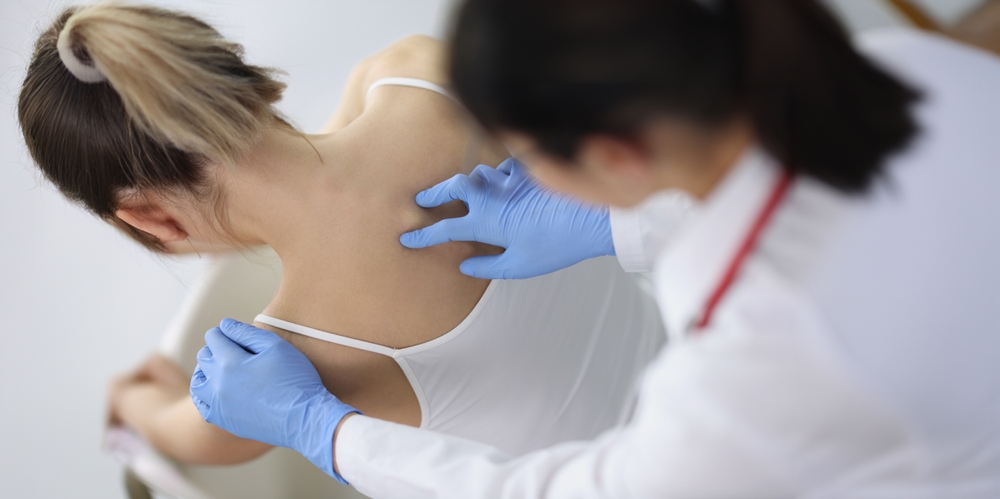
A physiotherapist examining a woman’s shoulder during a Women’s Health Physiotherapy session.

A Few Benefits of Women’s Health Physiotherapy for Every Stage of Life

From adolescence through motherhood and into later life, women navigate numerous physical transformations. Many of these changes – the pelvic discomfort, urinary issues, or hormonal shifts – are often dismissed as “normal.” Yet, these concerns don’t have to be endured silently. Pelvic floor physiotherapy, a key branch of women’s health physiotherapy, offers specialised, evidence-based care to transform these experiences.

Understanding the Field

What is Women’s Health Physiotherapy?

Women’s health physiotherapy (also known as pelvic health physiotherapy) is a sensitive and comprehensive subset of physical therapy that addresses issues unique to the female body-especially those linked to the pelvic floor and associated structures. It draws from deep anatomical knowledge, managing conditions tied to childbirth, menstruation, menopause, surgery, and more.

Why Pelvic Floor Physiotherapy?

“Pelvic floor physiotherapy” is a high-volume search term for a reason-it zeroes in on the critical muscle group supporting core functions, offering targeted rehabilitation for incontinence, prolapse, pelvic pain, and reproductive health concerns.

Benefits Through the Stages of Life

1. Adolescence & Early Adulthood

While physical concerns may first appear later, even young women benefit from early intervention – especially if trauma, sports injuries, or menstrual-related pelvic issues arise. Physiotherapy Services provides education, posture correction, and early awareness to prevent chronic dysfunction later.

2. Pre-Pregnancy & Fertility Support

Some women face mechanical infertility, where pelvic adhesions or soft-tissue restrictions impact conception. Manual physiotherapy-non-invasive and low-risk-can improve tissue mobility and has even been shown to aid fertility outcomes.

3. Antenatal (Pregnancy) Care

Pregnancy brings musculoskeletal strain and pelvic discomfort. A physiotherapist provides tailored exercises, breathing techniques, and posture guidance to reduce pain and prepare the body for labour. Strengthening core and pelvic support helps with functional stability and reduces the risk of complications.

4. Postpartum Recovery

Childbirth-vaginal or cesarean-can leave residual issues like diastasis recti, pelvic floor weakness, or incontinence. Physiotherapy helps:

  • Restore pelvic floor strength
  • Promote healing and realignment of abdominal muscles
  • Alleviate postpartum pain and improve overall functional recovery

5. Pelvic Floor Dysfunction in Midlife

As women age or undergo hormonal changes, incontinence and pelvic organ prolapse may surface. Pelvic floor physiotherapy offers:

  • Strengthening through Kegel exercises, biofeedback, or electrical stimulation
  • Symptom reduction and functional improvement without surgery-making it a first-line, conservative treatment

6. Menopause & Beyond

Menopause can lead to bone density loss, muscle stiffness, and joint pain. Physiotherapy aids through:

  • Bone-strengthening (weight-bearing) exercises
  • Mobility techniques to ease stiffness
  • Addressing pelvic changes and urinary symptoms related to hormonal shifts

7. Oncology & Breast Surgery Rehab

Breast surgery or cancer treatments often result in restricted arm mobility or lymphedema. Women’s health physiotherapists offer rehabilitation to restore strength, flexibility, and lymphatic function, thereby improving quality of life during recovery.

8. Chronic Pelvic Pain & Reproductive Health Difficulty

Conditions like dyspareunia, vaginismus, vulvodynia, or unexplained pelvic pain are often associated with pelvic floor dysfunction. Physiotherapy uses a combination of manual therapy, muscle relaxation, biofeedback, and education to restore function and alleviate pain.

Techniques & Treatment Approaches

Manual Therapy & Assessment

Therapists use external and internal palpation to assess muscle tone, trigger points, and dysfunction. Techniques like soft tissue mobilisation, trigger point release, joint mobilisation, and massage restore healthy tissue and alleviate pain.

Pelvic Floor Rehabilitation

Central to the discipline are:

  • Kegel exercises to strengthen weak muscles
  • Biofeedback-visual or auditory feedback to ensure proper muscle activation
  • Electrical stimulation to enhance muscle strength and healing, especially for severe incontinence

Education & Self-Care

A cornerstone of best practice is patient education-helping women understand their bodies, techniques, posture, and lifestyle adjustments for long-term health and empowerment.

Holistic & Mental Health Support

Physiotherapy isn’t just about physical symptoms. It can reduce anxiety, support mental health during life transitions (e.g., postpartum depression, menopausal stress), and foster resilience and confidence.

Conclusion

Womens health physiotherapy, especially pelvic floor physiotherapy, plays a transformative role at every stage of a woman’s life – from support in fertility and pregnancy to recovery, midlife health, and beyond. Through a holistic blend of specialised techniques, education, and evidence-based practice, it empowers women to reclaim comfort, confidence, and physical well-being.

If you’re seeking expert, compassionate care in Singapore, look no further than Physio Asia Therapy Centre – an award-winning clinic dedicated to providing efficient, effective physiotherapy services tailored for women’s health.
Women’s Health Physiotherapy: What It Is, and How It Can Help You

In the intricate tapestry of a woman’s life, from adolescence to motherhood and through to the golden years, her body undergoes remarkable transformations. These changes, while natural, can often bring about unique physical challenges and health concerns. For many, these issues—ranging from persistent pain to embarrassing incontinence—are dismissed as an inevitable part of being a woman. However, a specialised field of healthcare offers a powerful and effective solution: womens health physiotherapy. This professional, compassionate, and evidence-based approach addresses a wide spectrum of female-specific conditions, empowering women to regain control of their bodies, alleviate discomfort, and enhance their overall quality of life.

The Role of Women’s Health Physiotherapy

Women’s health physiotherapy, also known as pelvic health physiotherapy, is a specialised branch of physical therapy that focuses on the assessment and treatment of conditions related to the pelvis, pelvic floor, and the musculoskeletal system as it pertains to female health. Unlike general physiotherapy, this discipline takes a holistic and sensitive approach, recognising the profound impact of hormonal changes, life stages, and childbirth on a woman’s body.

A women’s health physiotherapist is an expert in the intricate anatomy of the female pelvic region, including the pelvic floor muscles, which are a group of muscles located at the base of the pelvis. These muscles are essential for bladder and bowel control, core stability, and reproductive function. When they are weakened, overactive, or uncoordinated, they can lead to a variety of debilitating symptoms. The goal of this specialised therapy is to restore function, reduce pain, and educate women on how to maintain their physical health proactively.

A Comprehensive Approach to Pelvic Health

Pelvic health is a critical, yet often neglected, component of a woman’s well-being. Physiotherapy offers a non-invasive and highly effective treatment for common pelvic floor dysfunctions.

Urinary and Bowel Incontinence

Urinary incontinence—the involuntary leakage of urine—is a prevalent issue affecting millions of women. It is not an inevitable consequence of aging or childbirth. A specialised physiotherapist can accurately diagnose the type of incontinence (stress, urge, or mixed) and develop a targeted treatment plan. This may include pelvic floor muscle training (Kegel exercises), bladder retraining techniques, and lifestyle modifications. By strengthening and coordinating these crucial muscles, physiotherapy can significantly reduce or even eliminate leakage, restoring confidence and freedom. Similarly, physiotherapy can help manage and treat bowel incontinence and chronic constipation by improving pelvic muscle function and teaching proper toileting techniques.

Pelvic Pain and Reproductive Health Difficulty

Many women experience chronic pelvic pain or pain during sleeping together (dyspareunia). These conditions can be caused by muscle spasms, tightness, or nerve issues in the pelvic region. A physiotherapist uses a combination of techniques, including manual therapy, trigger point release, and relaxation exercises, to alleviate muscle tension and desensitise nerve pathways. They can also provide guidance on managing conditions like vaginismus, a painful involuntary spasm of the vaginal muscles, through a combination of muscle re-education and dilator therapy.

Pelvic Organ Prolapse

Pelvic organ prolapse (POP) occurs when one or more of the pelvic organs (bladder, uterus, or rectum) descend from their normal position into the vagina. This can cause a feeling of heaviness or a bulge, and can be deeply distressing. Physiotherapy is often the first line of treatment, focusing on strengthening the pelvic floor to provide better support for the pelvic organs and reduce symptoms. In addition to targeted exercises, a physiotherapist provides education on proper body mechanics and lifestyle adjustments to prevent worsening of the condition.

Supporting Women Through Motherhood

The journey of pregnancy and childbirth places immense stress on a woman’s body. Women’s health physiotherapy plays a vital role in preparing the body for birth and assisting in the recovery process postpartum.

Antenatal Care

During pregnancy, a woman’s body adapts to accommodate the growing fetus, often leading to musculoskeletal pain. Pelvic girdle pain and back pain are common complaints. A physiotherapist can provide relief through gentle exercises, manual therapy, and postural correction. They also educate expectant mothers on safe and effective exercises, breathing techniques, and labor positions that can ease delivery and reduce the risk of injury.

Postnatal Recovery

After childbirth, whether vaginal or via C-section, the body requires time and support to heal. Diastasis recti abdominis (DRA), a separation of the abdominal muscles, is a common postpartum condition that can lead to a visible “pooch” and a lack of core strength. A women’s health physiotherapist can assess the degree of separation and prescribe a tailored program to safely and effectively reconnect and strengthen the core. Physiotherapy also aids in the recovery from perineal tears, episiotomies, and general weakness, helping new mothers regain their physical function and confidence as they navigate the demands of motherhood.

Extending Beyond the Pelvis

The expertise of a women’s health physiotherapist extends beyond just the pelvic floor to address other gender-specific issues. They can assist with a range of conditions, including:

  • Breast health: Post-surgery rehabilitation for breast cancer patients to restore arm and shoulder mobility, and manual lymphatic drainage to manage lymphedema.
  • Blocked milk ducts and mastitis: Gentle massage and specific techniques can help clear blockages and relieve pain for breastfeeding mothers.
  • Carpal Tunnel Syndrome and De’Quervain’s Syndrome: These conditions, often caused by repetitive strain from holding and carrying a baby, can be treated with a combination of manual therapy, exercises, and ergonomic advice.
  • Osteoporosis: Women are at a higher risk of developing this condition. A physiotherapist can design a safe and effective exercise program that focuses on weight-bearing and strength training to improve bone density and reduce fracture risk.
  • Musculoskeletal pain: Conditions such as low back pain, knee pain, and neck stiffness are often related to a woman’s posture, lifestyle, or the physical demands of her daily life. Physiotherapy provides a tailored treatment plan to address the root cause of the pain, not just the symptoms.

The Power of Empowerment and Education

A core principle of women’s health physiotherapy is patient education. Physiotherapists not only treat symptoms but also empower women with the knowledge and tools to manage their own health. This includes teaching proper form for exercises, explaining the anatomy of the pelvic region, and providing personalised advice on lifestyle, diet, and posture. By understanding their bodies and learning self-management techniques, women can take an active role in their long-term health and wellness. This approach fosters a sense of agency and resilience, allowing women to feel strong, capable, and in control. In conclusion, women’s health physiotherapy is a vital, multifaceted discipline that addresses the unique physical challenges women face throughout their lives. By providing specialised, expert care, it offers a pathway to effective healing and lasting wellness. For a clinic dedicated to providing efficient, effective physiotherapy services, look no further. Physio Asia Therapy Centre is an award-winning clinic dedicated to providing efficient, effective physiotherapy services in Singapore.