Shin Splints Treatment: Physiotherapy, Stretches, and Recovery Tips

Posted on |
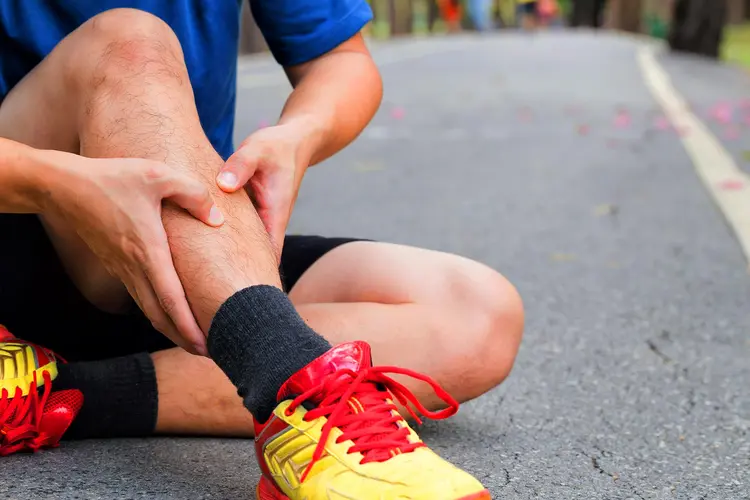
Runner holding lower leg due to Shin Splints pain during outdoor workout

Shin Splints Treatment: Physiotherapy, Stretches, and Recovery Tips

Shin splints, medically known as Medial Tibial Stress Syndrome (MTSS), are a common and often painful condition that affects athletes, military personnel, and individuals who engage in high-impact activities. Characterized by a dull, aching pain along the inner edge of the shinbone, this overuse injury can sideline even the most dedicated individuals. While rest is often the first and most obvious step in recovery, it is merely the beginning of a comprehensive treatment plan. Effective and long-lasting relief from shin splints requires a multifaceted approach that addresses the underlying causes, focusing on professional guidance, targeted stretches, and smart recovery strategies.

Decoding Shin Splints: Understanding the Injury and Its Causes

Before delving into treatment, it is essential to understand what shin splints are and why they occur. The term “shin splints” is a general description for pain in the lower leg, specifically along the tibia (shinbone). This pain is caused by inflammation and irritation of the muscles, tendons, and bone tissue where they attach to the shinbone. It is fundamentally an overuse injury, resulting from repetitive stress on the lower leg.

Several factors can contribute to the development of shin splints, often in combination:

  • Sudden Increase in Activity: One of the most common culprits is a rapid increase in the intensity, duration, or frequency of exercise. This is why shin splints are prevalent among new runners, individuals starting a new sport, or athletes returning to training after a break. The body, specifically the lower leg muscles, simply doesn’t have enough time to adapt to the new workload.
  • Biomechanical Issues: Foot mechanics play a crucial role. Individuals with flat feet (overpronation) or high arches are more susceptible to shin splints. These conditions can cause uneven distribution of force across the lower leg, placing excessive stress on the muscles and shinbone.
  • Improper Footwear: Worn-out or ill-fitting shoes lack adequate support and shock absorption, increasing the impact on the lower legs during activities like running or jumping.
  • Training Surfaces: Running or exercising on hard, unforgiving surfaces like concrete or asphalt can significantly increase the impact on the legs compared to softer surfaces like grass or a synthetic track.
  • Muscle Imbalances: Weak or tight calf muscles, as well as a weak core and hip muscles, can affect gait and posture, leading to improper biomechanics and an increased load on the shin muscles.

It is also critical to differentiate shin splints from a stress fracture. While the symptoms can be similar, a stress fracture is a tiny crack in the bone itself, whereas shin splints are an inflammation of the soft tissues and bone surface. Pain from a stress fracture is typically more localized to one specific, tender spot and may persist even at rest, whereas shin splint pain is often spread out along a larger area of the shin and tends to subside with rest. An accurate diagnosis is vital to ensure the correct course of treatment.

The Pivotal Role of Physiotherapy in Shin Splints Recovery

While rest and self-care are initial steps, physiotherapy provides the expert guidance necessary for a complete and lasting recovery. A physiotherapist’s approach is not just about pain relief; it’s about correcting the underlying issues that led to the injury in the first place.

Comprehensive Assessment and Diagnosis

A physiotherapy program begins with a thorough assessment. The therapist will evaluate the individual’s gait, posture, foot mechanics, muscle strength, and flexibility. This detailed analysis helps pinpoint the exact biomechanical factors contributing to the shin splints. They will perform specific tests to confirm the diagnosis and rule out more serious conditions like a stress fracture.

Core Physiotherapy Treatment Modalities

Based on the assessment, a personalized treatment plan is developed, often incorporating a combination of the following:

  1. Manual Therapy: This hands-on approach is used to release tension and improve circulation in the affected area. Techniques may include:
    • Soft Tissue Mobilization: Deep tissue massage and myofascial release to reduce tightness and inflammation in the calf and shin muscles.
    • Joint Mobilization: Gentle, controlled movements to improve ankle and foot joint mobility, ensuring proper function.
  2. Therapeutic Exercises: A structured exercise program is the cornerstone of physiotherapy for shin splints. It’s designed to improve flexibility, strength, and endurance.
    • Stretching: Key stretches target the calf muscles (gastrocnemius and soleus) and the shin muscles (tibialis anterior). Regular stretching helps to relieve tension and improve muscle length, which can reduce the pulling force on the shinbone.
    • Strengthening: Exercises for the lower leg muscles are crucial. Examples include toe raises, heel raises, and ankle alphabet exercises to strengthen the muscles that support the shin. Strengthening the core and hip muscles is also important, as these muscles play a critical role in controlling lower leg movement and absorbing impact.
  3. Physical Modalities: Modern physiotherapy often incorporates advanced technologies to accelerate healing.
    • Ultrasound and Laser Therapy: These modalities use energy to penetrate deep into the tissues, promoting blood flow, reducing inflammation, and stimulating the healing process.
    • Shockwave Therapy: This non-invasive treatment uses acoustic waves to stimulate tissue regeneration, particularly useful for chronic or stubborn cases.
    • Taping and Orthotics: The use of supportive taping (e.g., Kinesio Taping) can help offload stress from the affected muscles. Furthermore, a physiotherapist can recommend or prescribe custom-made orthotics to correct foot alignment and provide long-term support.

Essential Stretches and Exercises for Relief and Prevention

A consistent home exercise program is vital for recovery and preventing the recurrence of shin splints. These exercises, when performed correctly, can make a substantial difference.

  • Calf Stretches (Gastrocnemius and Soleus):
    • Gastrocnemius Stretch: Stand facing a wall, place your hands on it for support. Place one foot forward and the other back, keeping the back leg straight and the heel on the floor. Lean forward until your back leg’s calf starts to stretch. Hold for 30 seconds and repeat.
    • Soleus Stretch: From the same position, bend your back knee slightly while keeping the heel on the floor. This targets the lower part of the calf. Hold for 30 seconds.
  • Tibialis Anterior Stretch: Kneel on the floor with your toes pointed back behind you. Gently lean back onto your heels, feeling the stretch along the front of your shins. For a deeper stretch, slowly lift your knees off the floor.
  • Ankle Alphabet: Sit with your leg extended. Using your big toe, “write” the letters of the alphabet in the air. This improves ankle mobility and range of motion.
  • Strengthening Exercises:
    • Heel Raises: Stand with feet shoulder-width apart and slowly rise onto your toes, holding for a few seconds before lowering back down.
    • Toe Raises: Stand on your heels and slowly lift your toes and the front of your feet off the floor. This strengthens the tibialis anterior muscle.

Key Recovery and Prevention Tips

The recovery from shin splints requires patience and smart lifestyle adjustments.

  1. Follow the RICE Protocol: In the initial stages, the RICE method is highly effective.
    • Rest: Stop the activity that caused the pain. This is non-negotiable.
    • Ice: Apply a cold pack to the affected area for 15-20 minutes several times a day to reduce inflammation.
    • Compression: Wear a compression sleeve or bandage to help minimize swelling.
    • Elevation: Elevate your leg whenever possible to reduce swelling.
  2. Gradual Return to Activity: Do not rush back into your previous routine. The “10% Rule” is a good guideline: do not increase your weekly mileage, intensity, or duration by more than 10%. If pain returns, ease back on the activity level immediately.
  3. Choose the Right Footwear: Ensure your athletic shoes are not worn out and provide proper support for your foot type. Consult with a specialist at a running shoe store or a physiotherapist for a professional fitting.
  4. Cross-Training: Incorporate low-impact activities like swimming, cycling, or using an elliptical machine into your routine. This allows you to maintain cardiovascular fitness while giving your shins a break from high-impact stress.
  5. Listen to Your Body: Pay close attention to pain signals. Pain is your body’s way of telling you that something is wrong. Pushing through the pain can turn a minor shin splint into a more severe and prolonged injury, or even a stress fracture.

In conclusion, effective shin splints treatment is a comprehensive process that goes beyond simple rest. By combining professional physiotherapy, targeted stretches, and smart recovery strategies, individuals can not only heal from this painful condition but also prevent its recurrence. Understanding the causes and implementing a personalized, evidence-based plan is key to a successful recovery. Physio Asia Therapy Centre is an award-winning clinic dedicated to providing efficient, effective, and evidence-based physiotherapy and rehabilitation services in Singapore.

How Physiotherapy Can Help You Perform Better in Sports

Whether you are a professional athlete, a weekend runner, or someone passionate about fitness, performing at your best requires more than just training hard. It demands proper recovery, injury prevention, and body optimisation.

Sports physiotherapy is not only about treating injuries after they occur; it’s about maximising performance, preventing setbacks, and ensuring your body can consistently meet the demands of your sport. With millions of athletes worldwide turning to physiotherapy, research and experience both confirm that it plays a vital role in enhancing sports performance.

In this guide, we’ll explore the advantages of sports physiotherapy, how it works, the science behind it, and why every athlete, from beginners to elite performers, should make it part of their training routine.

Understanding Sports Physiotherapy

Sports physiotherapy is a specialised branch of physiotherapy that focuses on:

  • Injury prevention – Reducing risks by addressing weak points in the body
  • Rehabilitation – Helping athletes recover from sports-related injuries
  • Performance optimisation – Enhancing strength, flexibility, and endurance
  • Education and training – Teaching proper movement patterns and recovery strategies

Sports physiotherapists work closely with athletes, coaches, and doctors to design individualised programs that match the unique physical demands of a sport.

Why Sports Physiotherapy is Essential for Athletes

1. Injury Prevention—The Foundation of Longevity in Sports

Injuries are the biggest barriers to consistent athletic performance. Sports physiotherapists analyse biomechanics, muscle imbalances, and joint stability to identify potential risks before they turn into injuries.

How it helps:

  • Customised warm-up and cool-down routines
  • Strengthening weak muscle groups
  • Correcting poor posture or movement mechanics

Example: Runners prone to shin splints benefit from targeted calf strengthening and gait retraining, reducing recurrence significantly.

2. Faster Recovery from Sports Injuries

Despite precautions, injuries are part of sports. Physiotherapy accelerates healing by combining manual therapy, guided exercises, and advanced modalities like ultrasound or electrical stimulation.

Key recoveries supported by sports physiotherapy:

  • Ankle sprains
  • ACL (knee ligament) injuries
  • Shoulder impingement
  • Hamstring strains

Advantage: Faster return-to-play with reduced risk of re-injury.

3. Enhancing Flexibility and Range of Motion

Limited flexibility can compromise performance and increase the risk of injury. Sports physiotherapists use stretching techniques, mobility drills, and myofascial release to improve flexibility.

4. Improving Strength and Conditioning

Physiotherapists design strength training plans that go beyond general gym workouts. These programs target specific muscle groups that support athletic performance.

Example: For footballers, physiotherapy emphasises hamstring and hip strengthening to improve sprint speed and reduce muscle tears.

5. Optimising Movement and Technique

Sports performance depends heavily on proper biomechanics. Physiotherapists use video analysis and movement assessments to identify inefficiencies.

How it works:

  • Correcting running stride to improve efficiency
  • Refining golf swing mechanics to avoid shoulder strain
  • Optimising jump landing to protect knees in basketball or volleyball

Result: Better performance with reduced injury risk.

6. Boosting Recovery Through Advanced Modalities

Sports physiotherapy also uses modern therapeutic tools to speed recovery:

  • Cryotherapy: Reduces swelling and pain
  • Hydrotherapy: Improves circulation and joint movement
  • Electrical stimulation (TENS/EMS): Relieves pain and strengthens muscles
  • Shockwave therapy: Helps repair chronic injuries like tendonitis

These methods ensure athletes recover faster between training sessions and competitions.

7. Building Mental Resilience Through Education

Physiotherapy is not just physical; it’s psychological. Athletes often struggle with the frustration of injuries. Sports physiotherapists provide education, motivation, and structured recovery timelines, giving athletes confidence in their comeback.

Advantage: Improved focus, reduced stress, and a stronger mindset toward performance.

Key Areas of Sports Physiotherapy

1. Injury Prevention and Risk Reduction

  • Biomechanical analysis
  • Strengthening weak areas
  • Sport-specific conditioning

2. Rehabilitation and Recovery

  • Manual therapy
  • Customised exercise programs
  • Modalities like ultrasound, cryotherapy, or TENS

3. Performance Enhancement

  • Flexibility training
  • Core strengthening
  • Endurance conditioning

4. Athlete Education

  • Proper warm-up/cool-down routines
  • Posture and technique guidance
  • Nutrition and recovery advice

5. Return-to-Play Strategies

  • Gradual progression plans
  • Functional testing before competition
  • Mental preparation support

Sports That Benefit Most from Physiotherapy

Running and Athletics

  • Injury prevention for shin splints, IT band syndrome, and plantar fasciitis
  • Performance improvements through stride correction and strength training

Football and Rugby

  • Rehabilitation of ligament and hamstring injuries
  • Strengthening for explosive power and agility

Tennis, Badminton, and Racquet Sports

  • Shoulder stability and mobility exercises
  • Wrist and forearm strengthening to reduce strain

Swimming

  • Shoulder rehabilitation (rotator cuff injuries)
  • Flexibility and mobility training for smoother strokes

Basketball and Volleyball

  • Jump mechanics training to protect knees
  • Ankle stability exercises to prevent sprains

Long-Term Benefits of Sports Physiotherapy

Sports physiotherapy is not just for the short term—it helps athletes build sustainable careers.

  • Reduced injury downtime → more consistent training
  • Improved biomechanics → long-term joint health
  • Enhanced endurance and strength → better competition outcomes
  • Confidence and resilience → stronger mental approach to performance

Insight: Athletes who integrate physiotherapy regularly, not only during injury phases, often extend their careers and achieve peak performance consistently.

When to See a Sports Physiotherapist

You should consult a physiotherapist if you experience:

  • Persistent pain during or after exercise
  • Repeated sports injuries
  • Limited mobility or stiffness
  • Decreased performance despite training
  • Need for guidance on improving sport-specific techniques

Early intervention prevents small issues from becoming major injuries.

Conclusion

Sports physiotherapy is more than injury treatment; it’s a pathway to unlocking peak performance. By focusing on prevention, rehabilitation, biomechanics, and performance optimisation, physiotherapy empowers athletes to perform better, recover faster, and stay healthier for longer.

Whether you are an aspiring athlete or a seasoned professional, sports physiotherapy offers proven, science-backed benefits to enhance your physical abilities and protect your body from setbacks.

At Physio Asia Therapy Centre, we understand the unique demands athletes face. We are dedicated to providing efficient, effective, and evidence-based physiotherapy and rehabilitation services. Our expert physiotherapists design personalised sports recovery and performance plans tailored to your goals, helping you train harder, recover smarter, and perform at your very best.

Take the step toward better performance today- because in sports, every edge counts.

Outpatient Physiotherapy: Key Techniques and Modern Treatment Approaches

In the world of modern medicine, recovering from an injury, surgery, or chronic condition extends far beyond the hospital walls. It is a journey that requires sustained, expert guidance to restore function, alleviate pain, and rebuild strength. This is the domain of outpatient physiotherapy rehabilitation that offers a flexible and patient-centered pathway to full recovery. Unlike inpatient care, which is confined to a facility, outpatient physiotherapy empowers individuals to actively engage in their healing process while navigating the demands of daily life. This article explores the core techniques and innovative treatment approaches that define this essential form of rehabilitative care, highlighting how it serves as the bridge from recovery to a fully functional and active life.

The Foundational Pillars of Outpatient Physiotherapy

Effective outpatient physiotherapy is built on a comprehensive and evidence-based framework that integrates multiple techniques. While the specific plan is always tailored to the individual, the foundational pillars of treatment remain consistent, addressing both the symptoms and the root cause of a condition.

1. Manual Therapy

At the heart of many outpatient programs is manual therapy, a skilled, hands-on approach performed by the physiotherapist. This is where the practitioner uses their hands to assess and treat a patient’s musculoskeletal system. Techniques include:

  • Joint Mobilisation and Manipulation: Gentle, controlled movements applied to stiff or painful joints to restore range of motion and reduce pain. These techniques can help break down adhesions and improve joint fluid dynamics.
  • Soft Tissue Mobilisation: A form of therapeutic massage that targets muscles, tendons, and ligaments to release tightness, reduce swelling, and improve circulation.
  • Myofascial Release: A specialised technique that focuses on the fascia, a network of connective tissue that surrounds muscles. By applying sustained pressure, a therapist can release fascial restrictions that contribute to pain and limited mobility.

Manual therapy is not just about a temporary fix; it’s about preparing the body for the next crucial step: therapeutic exercise. By first releasing tension and improving joint mobility, the therapist creates an optimal environment for the patient to perform exercises more effectively and with less pain.

2. Therapeutic Exercise

Therapeutic exercise is the cornerstone of any rehabilitation program. It is a controlled physical stress applied to the body to improve strength, flexibility, coordination, and endurance. The types of exercises vary widely based on the patient’s condition and stage of recovery.

  • Range of Motion (ROM) Exercises: These are often the first step, designed to restore flexibility in a joint. They can be passive (the therapist moves the limb for the patient), active-assistive (the patient helps the therapist), or active (the patient performs the movement on their own).
  • Strengthening Exercises: As recovery progresses, the focus shifts to building muscle strength and stability. This may involve using resistance bands, light weights, bodyweight exercises, or specialised equipment.
  • Balance and Proprioception Training: Particularly for neurological or orthopedic conditions, exercises aimed at improving balance and the body’s awareness of its position in space are crucial for preventing falls and re-injury.
  • Gait Training: For patients recovering from lower limb injuries or neurological events, gait training involves a structured program to retrain walking patterns, improve stability, and restore a fluid, efficient stride.

The power of therapeutic exercise lies in its ability to be customised. A physiotherapist develops a personalised home exercise program, empowering patients to become active participants in their recovery, ensuring progress continues between clinic visits.

3. Therapeutic Modalities

Physiotherapists also utilise a range of physical agents or modalities to complement manual therapy and exercise. These devices apply external energy to the body to help manage pain, reduce inflammation, and promote healing.

  • Heat and Cold Therapy: Simple yet highly effective. Heat therapy (thermotherapy) is used to increase blood flow, relax muscles, and prepare tissues for exercise. Cold therapy (cryotherapy) is used to reduce inflammation and numb acute pain.
  • Electrotherapy: This involves using a mild electrical current to stimulate nerves or muscles. Common forms include TENS (Transcutaneous Electrical Nerve Stimulation) for pain relief and NMES (Neuromuscular Electrical Stimulation) to help re-educate weakened muscles and improve function.
  • Therapeutic Ultrasound: This modality uses high-frequency sound waves to generate deep heat, which can promote circulation, reduce muscle spasms, and accelerate healing in soft tissues.

The Patient-Centric Approach: Beyond Techniques

What truly defines the best outpatient physiotherapy is not just the techniques used, but the overall patient experience. The modern approach is a partnership, with the physiotherapist serving as a guide, educator, and motivator.

  • Holistic Assessment: A great physiotherapist looks beyond the immediate injury. They assess a patient’s posture, movement patterns, and lifestyle to identify the underlying factors that may have contributed to their condition. For instance, chronic back pain might stem from poor ergonomics at a desk, a weak core, or an old, unaddressed ankle injury.
  • Patient Education: A key goal of outpatient physiotherapy is to empower the patient with knowledge. By understanding the “why” behind their pain and the “how” of their exercises, patients are more likely to comply with their home program and make lasting lifestyle changes that prevent future problems.
  • Integration with Technology: Modern outpatient clinics are embracing technology to enhance care. Wearable devices can track a patient’s activity between sessions, providing valuable data for the physiotherapist. Telerehabilitation allows for remote consultations, making care more accessible for patients with mobility challenges or those in remote areas.

Tailoring Treatment: The Outpatient Specialist

The breadth of outpatient physiotherapy means that many clinics and therapists specialise in specific areas, ensuring a high level of expertise for complex conditions.

  • Orthopedic and Sports Rehabilitation: This specialisation focuses on injuries from sports or everyday activities, utilising advanced techniques like functional training and sport-specific drills to help athletes return to their game safely and at a peak performance level.
  • Neurological Physiotherapy: This is a vital field for patients recovering from a stroke, brain injury or living with conditions like multiple sclerosis. Therapists in this area use specialised techniques to retrain the brain and body, focusing on improving balance, coordination, and functional mobility.
  • Chronic Pain Management: Here, the focus is on a multifaceted approach that includes manual therapy, graded exercise, and extensive education on pain science, empowering patients to regain control over their lives without relying on medication.

Conclusion

Outpatient physiotherapy is far more than a simple series of exercises; it is a dynamic and essential component of the modern healthcare system. It is a field defined by its wide array of evidence-based techniques, from the hands-on expertise of manual therapy to the empowering practice of therapeutic exercise. By offering a personalised and holistic approach, outpatient physiotherapy serves as a crucial link between acute care and a patient’s return to independence and well-being. This is where rehabilitation truly comes to life, guiding individuals through their recovery journey and equipping them with the tools for a healthier, more active future.

The Ultimate Guide to Foot and Ankle Sprain Physiotherapy Treatments

Foot and ankle sprains are some of the most common musculoskeletal injuries, affecting people of all ages and activity levels. Whether it’s caused by a sports-related incident, an accidental twist while walking, or an awkward landing, a sprain can significantly impair mobility and quality of life. Physiotherapy for ankle sprains is a proven and effective path to full recovery.

What is a Foot or Ankle Sprain?

A sprain is defined as the stretching or tearing of ligaments—the tough bands of fibrous tissue that connect bones in a joint. When the foot or ankle undergoes a sudden twist, turn, or roll, it can force the ligaments beyond their normal range of motion.

Types of Ankle Sprains

  • Lateral Ankle Sprain (Inversion Sprain): The most common type, caused when the foot rolls inward, damaging the ligaments on the outer ankle.
  • Medial Ankle Sprain (Eversion Sprain): Less common, this occurs when the foot turns outward, affecting the deltoid ligament.
  • High Ankle Sprain: Involves injury to the syndesmotic ligaments, which connect the tibia and fibula. This type often occurs in athletes.

Grades of Sprain

  • Grade I: Mild stretching with microscopic tears; minimal swelling and tenderness.
  • Grade II: Partial tearing of the ligament; moderate pain, swelling, and bruising.
  • Grade III: Complete tear; severe pain, instability, and significant swelling.

Symptoms and Diagnosis

Recognising the symptoms of a foot or ankle sprain is critical for timely and appropriate treatment.

Common Symptoms

  • Swelling and bruising
  • Pain during movement or weight-bearing
  • Instability in the joint
  • Reduced range of motion
  • A popping sound at the time of injury

Diagnosis

A physiotherapist or healthcare provider will typically

  • Take a detailed history of the injury
  • Conduct a physical examination
  • Use special tests like the anterior drawer test or talar tilt test
  • Refer for imaging (X-rays, MRI) if a fracture or severe injury is suspected

Why Ankle Sprain Physiotherapy is Essential

Many people mistakenly believe that minor ankle sprains don’t require professional treatment. However, without proper rehabilitation, there’s a higher risk of chronic ankle instability, recurrent sprains, and long-term issues such as post-traumatic arthritis.

Benefits of Physiotherapy for Ankle Sprains

  • Reduces pain and inflammation
  • Restores strength and flexibility
  • Promotes tissue healing
  • Improves proprioception (joint position sense)
  • Prevents recurrence through targeted exercise

Phases of Physiotherapy Treatment

Effective ankle sprain physiotherapy follows a structured approach divided into stages.

1. Acute Phase (0–72 hours)

Focus: Pain and swelling management

Interventions:

  • Peace & Love: Rest, Ice, Compression, Elevation
  • Protective bracing or taping
  • Gentle range-of-motion exercises to prevent stiffness

2. Subacute Phase (3–7 days)

Focus: Restoration of mobility and strength

Interventions:

  • Manual therapy: Soft tissue mobilisation, joint glides
  • Stretching and strengthening exercises: Begin with isometric exercises and progress gradually
  • Weight-bearing activities: As tolerated
  • Balance and proprioception drills: To re-establish neuromuscular control

3. Recovery and Strengthening Phase (1–4 weeks)

Focus: Functional rehabilitation and reconditioning

Interventions:

  • Theraband resistance exercises
  • Ankle mobility work: Calf stretches, ankle circles
  • Functional movements: Step-ups, heel-to-toe walking
  • Advanced proprioception drills: Wobble board, single-leg stance

4. Return-to-Activity Phase (4–8 weeks and beyond)

Focus: Sport-specific and preventive training

Interventions:

  • Jumping and landing mechanics
  • Lateral movement training
  • Plyometric exercises
  • Education on proper footwear and taping techniques

This phase is tailored based on the individual’s goals—whether it’s returning to running, playing sports, or everyday mobility.

Advanced Treatment Modalities

In addition to hands-on therapy and exercise programs, physiotherapists may employ advanced modalities to accelerate healing.

Electrotherapy

  • TENS (Transcutaneous Electrical Nerve Stimulation): For pain relief
  • Ultrasound therapy: To stimulate deep tissue healing

Shockwave Therapy

Used for chronic ankle pain or tendon injuries, it enhances circulation and promotes tissue regeneration.

Dry Needling

To release muscle tightness and alleviate pain around the ankle complex.

Kinesiology Taping

Supports the joint while allowing movement, reducing pain and swelling.

Preventing Future Ankle Sprains

Preventive care is essential, especially if you’ve had a sprain in the past.

Key Prevention Tips

  • Regular strength and balance training
  • Proper warm-ups before activity
  • Wear appropriate, well-fitted shoes

By incorporating these strategies, the risk of reinjury is significantly reduced.

When to See a Physiotherapist

If you’ve suffered an ankle or foot sprain, early intervention is key. Seek physiotherapy if:

  • Pain and swelling 
  • You’re unable to bear weight
  • There’s a visible deformity or instability
  • You’ve had multiple ankle sprains in the past
  • You want to prevent recurrence and optimise your recovery

Conclusion: Heal Strong with Expert Physiotherapy in Singapore

A foot or ankle sprain may seem like a minor setback, but without proper treatment, it can develop into a chronic issue that affects your mobility, confidence, and daily life. That’s why investing in professional ankle sprain physiotherapy is not just about healing—it’s about future-proofing your health.

Whether you’re an athlete, a busy professional, or simply someone who took a wrong step, the right physiotherapy approach will guide you from pain and dysfunction to strength and stability. Physio Asia Therapy Centre is an award-winning clinic dedicated to providing efficient, effective, and evidence-based physiotherapy and rehabilitation services in Singapore. With a team of experienced professionals, state-of-the-art facilities, and personalised treatment plans, Physio Asia ensures you receive the highest standard of care for your recovery journey.
Can’t Put the Foot Down Without Pain? Suffering From Heel Pain?

Description/Introduction:

A sharp pain or discomfort in the heel on weight bearing especially after a rest period is a common complaint. It settles down quickly if treated early and given enough rest, but may become worse and chronic if initial symptoms are ignored.

COMMON CAUSES OF HEEL PAIN:
Heel pain can be either due to plantar fasciitis or heel spur syndrome.

A. PLANTAR FASCIITIS
As a person gets older, the fascia becomes less elastic. The heel pad becomes thinner and loses the capacity to absorb as much shock. There may be some swelling, small tears or bruises in the plantar fascia with the pounding force on the heel.

Risk Factors

  • Being overweight
  • Diabetes
  • Prolonged standing or walking
  • Increasing activity over a very short period of time
  • Injury
  • Being flat-footed or having a high arch
  • Wrong or improperly fitting footwear
  • Wearing high heels for long.
  • Athletic Activity: The younger people who are more active in sports, may suffer from heel pain too.

B. HEEL SPURS
A heel spur is a bony growth that develops on the underside of the heel bone, where the fascia is attached. This is a result of excessive and repetitive pulling of the plantar fascia on the heel bone. The heel spur may press into the sensitive nerves and soft tissues, causing pain in the foot. Heel spurs can be seen as hook shaped protrusions in X-rays.

Heels Spurs are commonly seen in:

  • Middle-aged patients
  • Athletes are especially prone to heel spur due to the repetitive stress on their heels
  • Abnormal walking pattern or pronation with fallen or flat arches

Symptoms:

  • Burning, stabbing, or aching pain in the heel or along the arch of the foot
  • Most people would feel it first thing in the morning because the fascia ligament tightens up during the night sleep.
  • Resting provides only temporary relief.

How can PHYSIOTHERAPY SINGAPORE help relieve Heel Pain?

In most cases, plantar fasciitis/ heel spur does not require surgery or invasive procedures to stop pain and reverse damage. Conservative treatments are usually all that is required. At Physio Asia Therapy Centre we will assess the cause and type of your heel pain and treat it accordingly.

Treatment involves using pain relief techniques/modalities and lower limb strengthening program. A physiotherapy session to relieve heel pain might include the following:

  1. Radial Shockwave TherapyA new non-invasive treatment to help with a healing response by the body by causing blood vessel formation and increased delivery of nutrients to the affected area.
  2. Cold Laser:  Works on deep tissue to reduce local pain and helps with wound healing.
  3. Ultrasound: Improves circulation of the inflamed area, thus enhancing tissue healing.
  4. Mobilization & Manual Therapy: Our physiotherapist will mobilise your foot to reduce restricted mobility between the foot bones or muscle. This helps to reduce pain and stiffness.
  5. Foot Taping: Taping supports the foot, placing stressed muscles and ligaments in a restful state.
  6. Stretches/Strengthening Exercises: Stretching the tight muscles/fascia as well as some leg/ankle strengthening exercises can help to reduce the strain on the fascia.
  7. Orthotics or Insoles: We customise insoles to help improve the weight bearing positions on the foot to recover normal patterns of movement.

Prevention Strategies:

  • Wear proper shoes for each activity.
  • Do not wear shoes with excessive wear on heels or soles.
  • Stretch before and after exercising.
  • Pace yourself when you participate in athletic activities.
  • If overweight, lose weight. 
  • Visit a physiotherapist and have it treated early. So Call Us Today.

Call us for an appointment or send your queries to: info@physioasia.com

Heel Spur Causing Heel Pain

Description/Introduction:

A heel spur is a bony growth that forms under the heel bone, and it can cause sharp or nagging pain and inflammation in the heel and its surrounding areas. Heel spurs are often caused by overuse, wrong shoes, improper foot mechanics, and certain medical conditions such as plantar fasciitis.

Heel pain from a heel spur is typically felt in the bottom of the heel and can be accompanied by:

  • Sharp pain when standing or walking
  • Pain that is worse in the morning or after prolonged sitting
  • swelling or redness in the heel
  • bony protrusion that can be felt or seen on the heel

Treatment for heel pain from a heel spur may include:

  • Rest and ice: Applying ice to the affected area can help reduce pain and inflammation.
  • Stretching and exercises: Stretching the calf muscles and Achilles tendon and doing exercises to strengthen the muscles in the foot and leg can help improve flexibility and reduce stress on the heel.
  • Orthotics: Customised shoe insoles can help correct any improper foot mechanics that may be contributing to the heel spur.
  • Medications: Non-steroidal anti-inflammatory drugs (NSAIDs) can help to reduce pain and inflammation.
  • Physiotherapy: A physiotherapist can treat this using Laser, Ultrasound and Radial Shockwave therapy and exercises to improve strength, flexibility, and range of motion.
  • Surgery: In some cases, surgery may be recommended to remove the spur, but it is usually considered as a last resort.

 It is important to consult with a healthcare professional to determine the underlying cause of heel pain and the appropriate course of treatment. Additionally, some lifestyle modifications such as switching to shoes with a cushioned heel, avoiding high-impact activities, and incorporating low-impact exercises like swimming, cycling or yoga can also be beneficial in managing heel pain from heel spur.

You may contact us if you need help with your heel pain.

Plantar Fasciitis or Pain in Sole of Foot – Tips from our Physiotherapist

Plantar fasciitis is felt as a pain around the heel and arch of the foot. It can be felt as a discomfort or sharp pain in the heelon weight bearing especially after a rest period. As a person gets older, the fascia becomes less elastic. The heel pad becomes thinner and loses the capacity to absorb as much shock. There may be some swelling, small tears or bruises in the plantar fascia with the pounding force on the heel. Plantar fasciitis can also be a result of overuse in activities such as long-distance running, basketball, ballet dancing or dance aerobics. It settles down quickly if treated early and given enough rest, but may become worse and chronic if initial symptoms are ignored.

https://physioasia.com/foot-and-heel/

To reduce the pain of plantar fasciitis, try these self-care tips:

  • Give adequate rest to your feet.  Avoid prolonged standing or high impact activities like running that cause repeated loading on the foot. If you need to stand for long time,then shift your weight from one foot to the other or use a footrest under the affected foot to offload it for a while.
  • Don’t walk barefoot, especially on hard surfaces, as this puts extra stress on the plantar fascia. It is advisable to wear soft heeled footwear or footwear with scooped out heels to avoid pressure on the heel.
  • Wear supportive shoes. Choose shoes with a low to moderate heel, supportive arches and good shock absorbency.
  • Avoid high heels especially when you need to walk long distances or stand for long periods of time. High heel shoes exert additional pressure on the inflamed fascia and lead to more heel pain.
  • Do not wear worn-out shoes. Replace old, tattered, non-supportive shoes. This is very important if you walk or run in these shoes. A good way to tell that your shoes need replacing is to look for thinned (worn) out areas on the sole of the shoe.

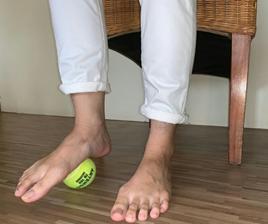
  • Apply ice: This can be done on the painful area three or four times a day, especially at the end of the day. Icing helps to reduce pain and inflammation. Icing can also be done with a frozen bottle of water rolled under the foot while sitting.
  • M assage: Self massage can be done by rolling a tennis ball under your foot while sitting. As mentioned above, a frozen water bottle can also be used.
  • Change your sport. Try a low-impact sport such as swimming or bicycling instead of walking or jogging while the plantar fascia is inflamed/painful.
  • Maintain a healthy weight. If you are overweight, then try to lose some weight.  Extra weight can put extra stress on your plantar fascia.
  • Exercise before getting out of bed in the morning or after prolonged sitting (sit to stand): Plantar fasciitis pain is usually at its worst in these two situations. A good way to combat this is to perform circular movements at the ankle (clockwise and anticlockwise) and a few seated calf stretches before weight bearing on the feet.
  • Do your stretches. Simple home exercises can be done for plantar fasciitis. Perform this stretch when waking up, mid-day, and before bed. It is also very important to perform these stretches in the warm up and cool down phase of your exercise routine, even after you recover from plantar fasciitis pain. This will help to prevent any recurrences. 

1. Standing calf (gastrocnemius) muscle stretch:

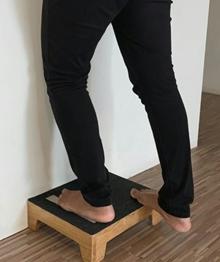
  • Stand on the edge of a step (stairs) or stable stool
  • Lower one heel over the edge of the step
  • You should feel the stretch on the calf muscle.
  • Hold stretch for between 12-15 seconds, 3-5 repetitions each side.

2. Seated calf stretch:

  • Sit with your legs extended out in front of you and then bring your foot in towards you from the ankle at about 90 degrees.
  • You can get an additional stretch by using a towel or yoga belt and placing it around the ball of the foot.
  • You can either stretch one calf at a time or both together.

3. Soleus Stretch:

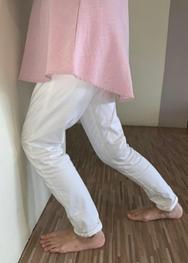
  • To stretch place the leg to be stretched behind and lean against a wall, keeping the heel down
  • A stretch should be felt lower down near the ankle at the back of the leg
  • Hold for 12-15 seconds, 3-5 repetitions each side.

4 . Stretching the deep foot flexors

  • In sitting position, gently hold foot with one hand
  • With the opposite hand pull all five toes up towards the body
  • Hold for 12-15 seconds, 3-5 repetitions each side.

5. Towel lifts

  • This is to strengthen the deeper muscles of the foot (intrinsic muscles)
  • Place a hand towel on the floor. The towel should be completely flat
  • Stand with your foot over the towel and use your toes and the bottom of your foot to scrunch up the towel
  • Next use your toes and feet to flatten the towel
  • Repeat 10 times, 2-3 times daily 

These are some of the ways in which plantar fasciitis can be managed. You can consult one of our SingaporePhysiotherapistif you continue to suffer from heel pain or if you need assistance with the exercises to take care of your heel pain. Call us for an appointment or send your queries to: info@physioasia.com

How To Fix Flat Foot with Simple Exercises!

Description/Introduction to Flat Foot:

Flat foot/overpronation is a condition characterized by downward collapse or flattening of the arch of the foot. During normal walking, an inward rolling of the foot (pronation) occurs naturally. This helps to absorb shock and maintain alignment of the ankles and legs. However, in overpronation, the foot moves excessively downward and inward and the arch flattens with each step, thereby causing stress and strain on the soft tissues (ligamentsmuscles) surrounding the ankle. It can also cause compensatory changes in the hip and knee, which can lead to increased risk in sustaining lower limb injuries.

Flatfoot can either be congenital which means you are born with the flat feet or it can be acquired later in life.

Risk Factors:

  • uneven leg length
  • knock knees,
  • being overweight,
  • pregnancy, and 
  • prolonged standingwalking or running on hard surfaces.
  • Also, middle-aged women were found to be most commonly affected and the risk is known to increase with age.
  • In children, conditions such as cerebral palsy and Down syndrome were both known risk factors.

Flat foot can also predispose individuals to the other injuries such as shin splintsITB (iliotibial band) friction syndromelow back painstress fracture in foot/lower leg, patellofemoral pain syndrome (PPS), Achilles tendinitisbunions and plantar fasciitis.

Physiotherapy Management for Acquired Flat Foot:

It includes strengtheningmobility and stretching exercisesOrthotics, which includes shoe inserts, can also be prescribed to help manage the condition.

The following exercises can help fix flat foot by increasing mobility of ankle, and strengthening the muscles responsible for maintaining the arch of the foot.


1. Dynamic ankle mobilization

Goal: Increase mobility of ankle joint.     

  • Place one foot flat on a table or a hard surface.
  • Bend your hips and knees forward until the end- range.
  • Do this 10 times for 3 sets and repeat on the other leg

2. Arch Setting Exercise

Goal: Strengthen the muscles that maintain the arch of the foot.

  1. Sit with feet flat on floor
  2.  Push your big and second toes down to raise your arch and hold it or 5 seconds repeat 10 times for 2 sets.

Note: *Maintain contact of toes and heel on the floor while raising your arch. *DO NOT curl your toes.

3. Arch setting with one leg stance

Goal: Same as above (this is a progression of previous exercise)

  1. Stand on one leg and raise your arch by pushing your big and second toes downward.
  2. Hold the position for 5 seconds and then repeat on the other side.
  3. Complete 10 repetitions on each side for 2 sets.

Note: *Maintain contact of toes and heel on the floor while raising your arch. *DO NOT curl your toes

4. Calf Raises with Tennis Ball

Goal: Strengthen Calf and Tibialis posterior (maintains the arch) muscles

  1. Stand with feet shoulder width apart, and put a tennis ball in between your ankles
  2. Perform calf raises by standing on toes while holding the tennis ball in-between the ankles
  3. Slowly return to starting position or eccentric strengthening of the muscles

Do this 10 times for 3 sets

5. Static Gastrocnemius stretching

Goal: Stretch Gastrocnemius muscle

  1. Stand with your arms leaning on the wall in front of you.
  2. Step the leg that you want to stretch behind with feet flat on the ground, knee straight and toes are facing forward.
  3. Slowly lean and shift your weight forward, allowing your front knee to bend while keeping the back knee straight.
  4. Hold the position or 15 seconds and repeat 3 times on each side

6. Static Soleus stretching

Goal: Stretch Soleus muscle

  1. Stand with your arms leaning on the wall in front of you.
  2. Step the leg that you want to stretch behind with feet flat on the ground, knee straight, toes are facing forward (12 ‘clock).
  3. Slowly lean and shit your weight forward, allowing your front and back knee to bend until stretch is felt.
  4. Hold the position or 15 seconds and repeat 3 times on each side.

Our physiotherapists can help you to manage your flat foot and assist you with exercises and orthotics to take care of any pain or complications arising from your flat foot. Call us for an appointment or send your queries to: info@physioasia.com