What Causes Pelvic Pain and How Physio Can Help

Posted on |
Woman holding her lower abdomen while sitting on a sofa, showing discomfort from pelvic pain.

What Causes Pelvic Pain and How Physio Can Help

What Causes Pelvic Pain?

Pain felt in the region between the hips, lower abdomen, and perineum is a common and often distressing problem affecting both men and women. It may be acute, appearing suddenly due to injury, infection, or inflammation, or chronic, persisting for months or even years and often involving multiple overlapping causes.

Pelvic Floor Muscle Dysfunction
Tension, spasm, weakness, or trigger points in the pelvic floor muscles (hypertonia or myofascial pain) can lead to persistent discomfort, urinary or bowel symptoms, and pain during intercourse. Left untreated, this dysfunction may also cause secondary issues like hip or lower back pain due to compensatory muscle overuse.

Endometriosis & Adenomyosis
Endometrial tissue growing outside the uterus or into the uterine wall leads to inflammation, cyclical pain, dyspareunia, and may aggravate pelvic floor dysfunction. These conditions often cause significant emotional distress and may affect fertility, making timely diagnosis and treatment crucial.

Interstitial Cystitis/Bladder Pain Syndrome
Chronic inflammatory bladder conditions cause urgency, frequency, pain during bladder filling and referred pelvic pain. This can significantly impact daily life, limiting fluid intake, disrupting sleep, and creating anxiety around social activities.

Pelvic Congestion Syndrome
Enlarged veins and vein valve insufficiency in the pelvis cause dull, aching pain that worsens on standing or during sexual activity; it affects up to 30% of women with chronic pelvic pain. Symptoms often intensify premenstrually and may be mistaken for other gynecological issues.

Pudendal Neuralgia (Pudendal Nerve Entrapment)
Compression or irritation of the pudendal nerve causes neuropathic symptoms, burning, numbness, and pain while sitting, with possible sexual and urinary dysfunction. Prolonged sitting or cycling often worsens the pain, making daily activities particularly challenging.

Pelvic Girdle Pain & Symphysis Pubis Dysfunction
Often occurring in pregnancy/postpartum, conditions such as pelvic girdle pain (PGP) or SPD produce pain in the pubic joint, lower back, hips or legs and can persist for months or even years postpartum. Physiotherapy can greatly help by improving joint stability and reducing strain.

Post‑surgical Adhesions & Trauma
Operations such as hysterectomy, colorectal, or pelvic mesh placement may lead to scar tissue, adhesions, or nerve irritation that causes chronic pelvic pain. These adhesions can also restrict organ mobility, further worsening discomfort and limiting movement.

Lifestyle Factors
Obesity, sedentary lifestyle, heavy lifting, chronic constipation or diarrhoea, and poor posture may strain or inflame the pelvic floor region. Addressing these habits through physiotherapy and lifestyle adjustments can significantly reduce pain recurrence.

How Physiotherapy Helps Pelvic Pain: The Role of “Pelvic Floor Physical Therapy”

Assessment & Diagnosis

A specialist physiotherapist evaluates posture, gait, movement patterns, pelvic alignment, and pelvic floor muscle function to pinpoint causes such as muscle overactivity, weakness, trigger points or nerve entrapment. Testing may include internal examination, neural mobility scans and pelvic floor muscle activation assessment.

Manual Therapy & Trigger‑Point Release

Hands‑on approaches like myofascial release, soft‑tissue massage, and internal/external trigger‑point release reduce pelvic muscle tension and scar tightness. Studies show manual therapy twice weekly over 8–12 weeks significantly improves hypertonic pelvic floor symptoms.

Pelvic Floor Muscle Rehabilitation

  • Down‑training (Reverse Kegels): Teaches hypertonic pelvic floor muscles to relax, reducing spasm and pain.
  • Kegel Strengthening: For weakened pelvic floor, pelvic floor physical therapy prescribes Kegels and guided strengthening, improving support and reducing dysfunction.
  • Biofeedback & Electrostimulation: Biofeedback helps patients regain awareness and control of pelvic floor activation, while TENS and electrostimulation relieve pain and retrain muscle function.

Therapeutic Exercise & Core Stabilization

Physiotherapy designs tailored programs: core strengthening, flexibility, stretching of hip‑pelvic muscles, neural mobilization, and low‑impact activities (Pilates, yoga, swimming) to restore muscular balance and improve mobility.

Education & Lifestyle Modification

Empowering patients with knowledge about pain physiology, posture, ergonomics (e.g. sit/stand desks, coccyx cushions), bladder/bowel habits, dietary changes, stress reduction, and self‑management strategies supports long‑term recovery.

Multidisciplinary Collaboration

Pelvic floor physical therapists collaborate with gynecologists, urologists, pain specialists and other healthcare professionals when conditions such as endometriosis, pudendal neuropathy or pelvic congestion syndrome require medical, surgical, or hormonal management.

Why Choose Evidence‑Based Pelvic Floor Physical Therapy?

  • Recognised as safe, non‑invasive and patient‑centred.
  • Evidence‑based protocols demonstrate effectiveness in reducing pain, improving function, bladder/bowel control and sexual comfort
  • Personalized therapy targets root causes rather than just masking symptoms.
  • Long‑term benefits include reduced anxiety, improved quality of life and restored confidence in physical activity.

Why Physiotherapy Is Vital for Pelvic Pain Relief

Pelvic pain is often complex, with overlapping causes across muscles, nerves, organs and lifestyle habits. A tailored approach using pelvic floor physical therapy, manual therapy, therapeutic exercise, education, and interdisciplinary coordination, empowers you to regain function and comfort. By addressing both physical and psychosocial factors, physiotherapy supports lasting relief and resilience.Physio Asia Therapy Centre is an award‑winning clinic in Singapore, dedicated to providing efficient, effective, and evidence-based physiotherapy and rehabilitation services. Our pelvic health specialists offer compassionate, multidisciplinary care, from detailed assessment through to personalized exercise programs and lifestyle guidance, helping you overcome pelvic pain and reclaim your quality of life.
How Physiotherapy Can Help You Perform Better in Sports

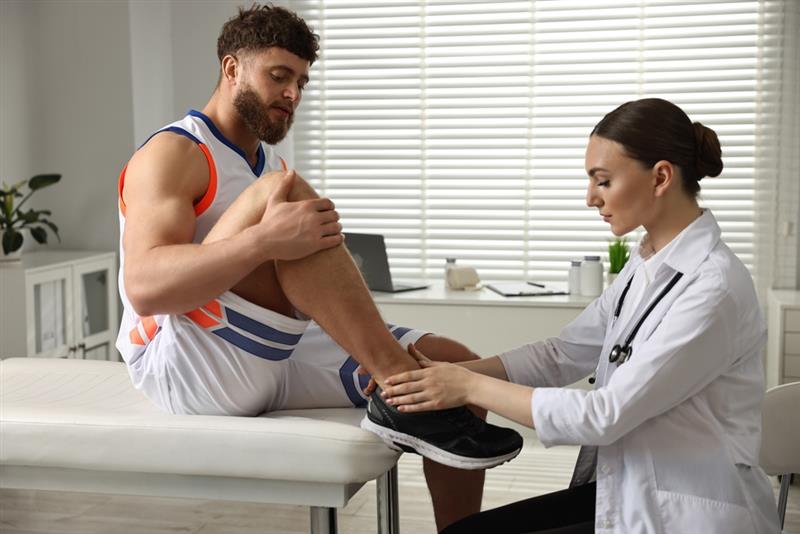
Whether you are a professional athlete, a weekend runner, or someone passionate about fitness, performing at your best requires more than just training hard. It demands proper recovery, injury prevention, and body optimisation.

Sports physiotherapy is not only about treating injuries after they occur; it’s about maximising performance, preventing setbacks, and ensuring your body can consistently meet the demands of your sport. With millions of athletes worldwide turning to physiotherapy, research and experience both confirm that it plays a vital role in enhancing sports performance.

In this guide, we’ll explore the advantages of sports physiotherapy, how it works, the science behind it, and why every athlete, from beginners to elite performers, should make it part of their training routine.

Understanding Sports Physiotherapy

Sports physiotherapy is a specialised branch of physiotherapy that focuses on:

  • Injury prevention – Reducing risks by addressing weak points in the body
  • Rehabilitation – Helping athletes recover from sports-related injuries
  • Performance optimisation – Enhancing strength, flexibility, and endurance
  • Education and training – Teaching proper movement patterns and recovery strategies

Sports physiotherapists work closely with athletes, coaches, and doctors to design individualised programs that match the unique physical demands of a sport.

Why Sports Physiotherapy is Essential for Athletes

1. Injury Prevention—The Foundation of Longevity in Sports

Injuries are the biggest barriers to consistent athletic performance. Sports physiotherapists analyse biomechanics, muscle imbalances, and joint stability to identify potential risks before they turn into injuries.

How it helps:

  • Customised warm-up and cool-down routines
  • Strengthening weak muscle groups
  • Correcting poor posture or movement mechanics

Example: Runners prone to shin splints benefit from targeted calf strengthening and gait retraining, reducing recurrence significantly.

2. Faster Recovery from Sports Injuries

Despite precautions, injuries are part of sports. Physiotherapy accelerates healing by combining manual therapy, guided exercises, and advanced modalities like ultrasound or electrical stimulation.

Key recoveries supported by sports physiotherapy:

  • Ankle sprains
  • ACL (knee ligament) injuries
  • Shoulder impingement
  • Hamstring strains

Advantage: Faster return-to-play with reduced risk of re-injury.

3. Enhancing Flexibility and Range of Motion

Limited flexibility can compromise performance and increase the risk of injury. Sports physiotherapists use stretching techniques, mobility drills, and myofascial release to improve flexibility.

4. Improving Strength and Conditioning

Physiotherapists design strength training plans that go beyond general gym workouts. These programs target specific muscle groups that support athletic performance.

Example: For footballers, physiotherapy emphasises hamstring and hip strengthening to improve sprint speed and reduce muscle tears.

5. Optimising Movement and Technique

Sports performance depends heavily on proper biomechanics. Physiotherapists use video analysis and movement assessments to identify inefficiencies.

How it works:

  • Correcting running stride to improve efficiency
  • Refining golf swing mechanics to avoid shoulder strain
  • Optimising jump landing to protect knees in basketball or volleyball

Result: Better performance with reduced injury risk.

6. Boosting Recovery Through Advanced Modalities

Sports physiotherapy also uses modern therapeutic tools to speed recovery:

  • Cryotherapy: Reduces swelling and pain
  • Hydrotherapy: Improves circulation and joint movement
  • Electrical stimulation (TENS/EMS): Relieves pain and strengthens muscles
  • Shockwave therapy: Helps repair chronic injuries like tendonitis

These methods ensure athletes recover faster between training sessions and competitions.

7. Building Mental Resilience Through Education

Physiotherapy is not just physical; it’s psychological. Athletes often struggle with the frustration of injuries. Sports physiotherapists provide education, motivation, and structured recovery timelines, giving athletes confidence in their comeback.

Advantage: Improved focus, reduced stress, and a stronger mindset toward performance.

Key Areas of Sports Physiotherapy

1. Injury Prevention and Risk Reduction

  • Biomechanical analysis
  • Strengthening weak areas
  • Sport-specific conditioning

2. Rehabilitation and Recovery

  • Manual therapy
  • Customised exercise programs
  • Modalities like ultrasound, cryotherapy, or TENS

3. Performance Enhancement

  • Flexibility training
  • Core strengthening
  • Endurance conditioning

4. Athlete Education

  • Proper warm-up/cool-down routines
  • Posture and technique guidance
  • Nutrition and recovery advice

5. Return-to-Play Strategies

  • Gradual progression plans
  • Functional testing before competition
  • Mental preparation support

Sports That Benefit Most from Physiotherapy

Running and Athletics

  • Injury prevention for shin splints, IT band syndrome, and plantar fasciitis
  • Performance improvements through stride correction and strength training

Football and Rugby

  • Rehabilitation of ligament and hamstring injuries
  • Strengthening for explosive power and agility

Tennis, Badminton, and Racquet Sports

  • Shoulder stability and mobility exercises
  • Wrist and forearm strengthening to reduce strain

Swimming

  • Shoulder rehabilitation (rotator cuff injuries)
  • Flexibility and mobility training for smoother strokes

Basketball and Volleyball

  • Jump mechanics training to protect knees
  • Ankle stability exercises to prevent sprains

Long-Term Benefits of Sports Physiotherapy

Sports physiotherapy is not just for the short term—it helps athletes build sustainable careers.

  • Reduced injury downtime → more consistent training
  • Improved biomechanics → long-term joint health
  • Enhanced endurance and strength → better competition outcomes
  • Confidence and resilience → stronger mental approach to performance

Insight: Athletes who integrate physiotherapy regularly, not only during injury phases, often extend their careers and achieve peak performance consistently.

When to See a Sports Physiotherapist

You should consult a physiotherapist if you experience:

  • Persistent pain during or after exercise
  • Repeated sports injuries
  • Limited mobility or stiffness
  • Decreased performance despite training
  • Need for guidance on improving sport-specific techniques

Early intervention prevents small issues from becoming major injuries.

Conclusion

Sports physiotherapy is more than injury treatment; it’s a pathway to unlocking peak performance. By focusing on prevention, rehabilitation, biomechanics, and performance optimisation, physiotherapy empowers athletes to perform better, recover faster, and stay healthier for longer.

Whether you are an aspiring athlete or a seasoned professional, sports physiotherapy offers proven, science-backed benefits to enhance your physical abilities and protect your body from setbacks.

At Physio Asia Therapy Centre, we understand the unique demands athletes face. We are dedicated to providing efficient, effective, and evidence-based physiotherapy and rehabilitation services. Our expert physiotherapists design personalised sports recovery and performance plans tailored to your goals, helping you train harder, recover smarter, and perform at your very best.

Take the step toward better performance today- because in sports, every edge counts.

Women’s Health Physiotherapy: What It Is, and How It Can Help You

In the intricate tapestry of a woman’s life, from adolescence to motherhood and through to the golden years, her body undergoes remarkable transformations. These changes, while natural, can often bring about unique physical challenges and health concerns. For many, these issues—ranging from persistent pain to embarrassing incontinence—are dismissed as an inevitable part of being a woman. However, a specialised field of healthcare offers a powerful and effective solution: womens health physiotherapy. This professional, compassionate, and evidence-based approach addresses a wide spectrum of female-specific conditions, empowering women to regain control of their bodies, alleviate discomfort, and enhance their overall quality of life.

The Role of Women’s Health Physiotherapy

Women’s health physiotherapy, also known as pelvic health physiotherapy, is a specialised branch of physical therapy that focuses on the assessment and treatment of conditions related to the pelvis, pelvic floor, and the musculoskeletal system as it pertains to female health. Unlike general physiotherapy, this discipline takes a holistic and sensitive approach, recognising the profound impact of hormonal changes, life stages, and childbirth on a woman’s body.

A women’s health physiotherapist is an expert in the intricate anatomy of the female pelvic region, including the pelvic floor muscles, which are a group of muscles located at the base of the pelvis. These muscles are essential for bladder and bowel control, core stability, and reproductive function. When they are weakened, overactive, or uncoordinated, they can lead to a variety of debilitating symptoms. The goal of this specialised therapy is to restore function, reduce pain, and educate women on how to maintain their physical health proactively.

A Comprehensive Approach to Pelvic Health

Pelvic health is a critical, yet often neglected, component of a woman’s well-being. Physiotherapy offers a non-invasive and highly effective treatment for common pelvic floor dysfunctions.

Urinary and Bowel Incontinence

Urinary incontinence—the involuntary leakage of urine—is a prevalent issue affecting millions of women. It is not an inevitable consequence of aging or childbirth. A specialised physiotherapist can accurately diagnose the type of incontinence (stress, urge, or mixed) and develop a targeted treatment plan. This may include pelvic floor muscle training (Kegel exercises), bladder retraining techniques, and lifestyle modifications. By strengthening and coordinating these crucial muscles, physiotherapy can significantly reduce or even eliminate leakage, restoring confidence and freedom. Similarly, physiotherapy can help manage and treat bowel incontinence and chronic constipation by improving pelvic muscle function and teaching proper toileting techniques.

Pelvic Pain and Reproductive Health Difficulty

Many women experience chronic pelvic pain or pain during sleeping together (dyspareunia). These conditions can be caused by muscle spasms, tightness, or nerve issues in the pelvic region. A physiotherapist uses a combination of techniques, including manual therapy, trigger point release, and relaxation exercises, to alleviate muscle tension and desensitise nerve pathways. They can also provide guidance on managing conditions like vaginismus, a painful involuntary spasm of the vaginal muscles, through a combination of muscle re-education and dilator therapy.

Pelvic Organ Prolapse

Pelvic organ prolapse (POP) occurs when one or more of the pelvic organs (bladder, uterus, or rectum) descend from their normal position into the vagina. This can cause a feeling of heaviness or a bulge, and can be deeply distressing. Physiotherapy is often the first line of treatment, focusing on strengthening the pelvic floor to provide better support for the pelvic organs and reduce symptoms. In addition to targeted exercises, a physiotherapist provides education on proper body mechanics and lifestyle adjustments to prevent worsening of the condition.

Supporting Women Through Motherhood

The journey of pregnancy and childbirth places immense stress on a woman’s body. Women’s health physiotherapy plays a vital role in preparing the body for birth and assisting in the recovery process postpartum.

Antenatal Care

During pregnancy, a woman’s body adapts to accommodate the growing fetus, often leading to musculoskeletal pain. Pelvic girdle pain and back pain are common complaints. A physiotherapist can provide relief through gentle exercises, manual therapy, and postural correction. They also educate expectant mothers on safe and effective exercises, breathing techniques, and labor positions that can ease delivery and reduce the risk of injury.

Postnatal Recovery

After childbirth, whether vaginal or via C-section, the body requires time and support to heal. Diastasis recti abdominis (DRA), a separation of the abdominal muscles, is a common postpartum condition that can lead to a visible “pooch” and a lack of core strength. A women’s health physiotherapist can assess the degree of separation and prescribe a tailored program to safely and effectively reconnect and strengthen the core. Physiotherapy also aids in the recovery from perineal tears, episiotomies, and general weakness, helping new mothers regain their physical function and confidence as they navigate the demands of motherhood.

Extending Beyond the Pelvis

The expertise of a women’s health physiotherapist extends beyond just the pelvic floor to address other gender-specific issues. They can assist with a range of conditions, including:

  • Breast health: Post-surgery rehabilitation for breast cancer patients to restore arm and shoulder mobility, and manual lymphatic drainage to manage lymphedema.
  • Blocked milk ducts and mastitis: Gentle massage and specific techniques can help clear blockages and relieve pain for breastfeeding mothers.
  • Carpal Tunnel Syndrome and De’Quervain’s Syndrome: These conditions, often caused by repetitive strain from holding and carrying a baby, can be treated with a combination of manual therapy, exercises, and ergonomic advice.
  • Osteoporosis: Women are at a higher risk of developing this condition. A physiotherapist can design a safe and effective exercise program that focuses on weight-bearing and strength training to improve bone density and reduce fracture risk.
  • Musculoskeletal pain: Conditions such as low back pain, knee pain, and neck stiffness are often related to a woman’s posture, lifestyle, or the physical demands of her daily life. Physiotherapy provides a tailored treatment plan to address the root cause of the pain, not just the symptoms.

The Power of Empowerment and Education

A core principle of women’s health physiotherapy is patient education. Physiotherapists not only treat symptoms but also empower women with the knowledge and tools to manage their own health. This includes teaching proper form for exercises, explaining the anatomy of the pelvic region, and providing personalised advice on lifestyle, diet, and posture. By understanding their bodies and learning self-management techniques, women can take an active role in their long-term health and wellness. This approach fosters a sense of agency and resilience, allowing women to feel strong, capable, and in control. In conclusion, women’s health physiotherapy is a vital, multifaceted discipline that addresses the unique physical challenges women face throughout their lives. By providing specialised, expert care, it offers a pathway to effective healing and lasting wellness. For a clinic dedicated to providing efficient, effective physiotherapy services, look no further. Physio Asia Therapy Centre is an award-winning clinic dedicated to providing efficient, effective physiotherapy services in Singapore.

Outpatient Physiotherapy: Key Techniques and Modern Treatment Approaches

In the world of modern medicine, recovering from an injury, surgery, or chronic condition extends far beyond the hospital walls. It is a journey that requires sustained, expert guidance to restore function, alleviate pain, and rebuild strength. This is the domain of outpatient physiotherapy rehabilitation that offers a flexible and patient-centered pathway to full recovery. Unlike inpatient care, which is confined to a facility, outpatient physiotherapy empowers individuals to actively engage in their healing process while navigating the demands of daily life. This article explores the core techniques and innovative treatment approaches that define this essential form of rehabilitative care, highlighting how it serves as the bridge from recovery to a fully functional and active life.

The Foundational Pillars of Outpatient Physiotherapy

Effective outpatient physiotherapy is built on a comprehensive and evidence-based framework that integrates multiple techniques. While the specific plan is always tailored to the individual, the foundational pillars of treatment remain consistent, addressing both the symptoms and the root cause of a condition.

1. Manual Therapy

At the heart of many outpatient programs is manual therapy, a skilled, hands-on approach performed by the physiotherapist. This is where the practitioner uses their hands to assess and treat a patient’s musculoskeletal system. Techniques include:

  • Joint Mobilisation and Manipulation: Gentle, controlled movements applied to stiff or painful joints to restore range of motion and reduce pain. These techniques can help break down adhesions and improve joint fluid dynamics.
  • Soft Tissue Mobilisation: A form of therapeutic massage that targets muscles, tendons, and ligaments to release tightness, reduce swelling, and improve circulation.
  • Myofascial Release: A specialised technique that focuses on the fascia, a network of connective tissue that surrounds muscles. By applying sustained pressure, a therapist can release fascial restrictions that contribute to pain and limited mobility.

Manual therapy is not just about a temporary fix; it’s about preparing the body for the next crucial step: therapeutic exercise. By first releasing tension and improving joint mobility, the therapist creates an optimal environment for the patient to perform exercises more effectively and with less pain.

2. Therapeutic Exercise

Therapeutic exercise is the cornerstone of any rehabilitation program. It is a controlled physical stress applied to the body to improve strength, flexibility, coordination, and endurance. The types of exercises vary widely based on the patient’s condition and stage of recovery.

  • Range of Motion (ROM) Exercises: These are often the first step, designed to restore flexibility in a joint. They can be passive (the therapist moves the limb for the patient), active-assistive (the patient helps the therapist), or active (the patient performs the movement on their own).
  • Strengthening Exercises: As recovery progresses, the focus shifts to building muscle strength and stability. This may involve using resistance bands, light weights, bodyweight exercises, or specialised equipment.
  • Balance and Proprioception Training: Particularly for neurological or orthopedic conditions, exercises aimed at improving balance and the body’s awareness of its position in space are crucial for preventing falls and re-injury.
  • Gait Training: For patients recovering from lower limb injuries or neurological events, gait training involves a structured program to retrain walking patterns, improve stability, and restore a fluid, efficient stride.

The power of therapeutic exercise lies in its ability to be customised. A physiotherapist develops a personalised home exercise program, empowering patients to become active participants in their recovery, ensuring progress continues between clinic visits.

3. Therapeutic Modalities

Physiotherapists also utilise a range of physical agents or modalities to complement manual therapy and exercise. These devices apply external energy to the body to help manage pain, reduce inflammation, and promote healing.

  • Heat and Cold Therapy: Simple yet highly effective. Heat therapy (thermotherapy) is used to increase blood flow, relax muscles, and prepare tissues for exercise. Cold therapy (cryotherapy) is used to reduce inflammation and numb acute pain.
  • Electrotherapy: This involves using a mild electrical current to stimulate nerves or muscles. Common forms include TENS (Transcutaneous Electrical Nerve Stimulation) for pain relief and NMES (Neuromuscular Electrical Stimulation) to help re-educate weakened muscles and improve function.
  • Therapeutic Ultrasound: This modality uses high-frequency sound waves to generate deep heat, which can promote circulation, reduce muscle spasms, and accelerate healing in soft tissues.

The Patient-Centric Approach: Beyond Techniques

What truly defines the best outpatient physiotherapy is not just the techniques used, but the overall patient experience. The modern approach is a partnership, with the physiotherapist serving as a guide, educator, and motivator.

  • Holistic Assessment: A great physiotherapist looks beyond the immediate injury. They assess a patient’s posture, movement patterns, and lifestyle to identify the underlying factors that may have contributed to their condition. For instance, chronic back pain might stem from poor ergonomics at a desk, a weak core, or an old, unaddressed ankle injury.
  • Patient Education: A key goal of outpatient physiotherapy is to empower the patient with knowledge. By understanding the “why” behind their pain and the “how” of their exercises, patients are more likely to comply with their home program and make lasting lifestyle changes that prevent future problems.
  • Integration with Technology: Modern outpatient clinics are embracing technology to enhance care. Wearable devices can track a patient’s activity between sessions, providing valuable data for the physiotherapist. Telerehabilitation allows for remote consultations, making care more accessible for patients with mobility challenges or those in remote areas.

Tailoring Treatment: The Outpatient Specialist

The breadth of outpatient physiotherapy means that many clinics and therapists specialise in specific areas, ensuring a high level of expertise for complex conditions.

  • Orthopedic and Sports Rehabilitation: This specialisation focuses on injuries from sports or everyday activities, utilising advanced techniques like functional training and sport-specific drills to help athletes return to their game safely and at a peak performance level.
  • Neurological Physiotherapy: This is a vital field for patients recovering from a stroke, brain injury or living with conditions like multiple sclerosis. Therapists in this area use specialised techniques to retrain the brain and body, focusing on improving balance, coordination, and functional mobility.
  • Chronic Pain Management: Here, the focus is on a multifaceted approach that includes manual therapy, graded exercise, and extensive education on pain science, empowering patients to regain control over their lives without relying on medication.

Conclusion

Outpatient physiotherapy is far more than a simple series of exercises; it is a dynamic and essential component of the modern healthcare system. It is a field defined by its wide array of evidence-based techniques, from the hands-on expertise of manual therapy to the empowering practice of therapeutic exercise. By offering a personalised and holistic approach, outpatient physiotherapy serves as a crucial link between acute care and a patient’s return to independence and well-being. This is where rehabilitation truly comes to life, guiding individuals through their recovery journey and equipping them with the tools for a healthier, more active future.

Top-Rated Sciatica Pain Treatment Methods That Really Work

Sciatica is more than just back pain; it’s a radiating, often excruciating discomfort that can travel down your leg, disrupt your sleep, and interfere with your daily life. Affecting millions worldwide, sciatica stems from irritation or compression of the sciatic nerve, which runs from the lower back down to the feet.

While “some” recover easily, “some” fight debilitating symptoms that require effective management. If you’re dealing with sciatica, you’re not alone, and you don’t need to suffer in silence. This blog discusses highly rated, science-supported, and effective sciatica pain treatment approaches that work—just proven solutions.

Knowing the Source of Sciatica pain 

Before delving into remedies, it’s essential to know what causes sciatica:

  • Herniated or bulging disc (most prevalent)
  • Spinal stenosis (spinal narrowing)
  • Piriformis syndrome
  • Degenerative disc disease
  • Trauma or injury
  • Pregnancy

The pain usually occurs on one side of the body and may come along with symptoms such as:

  • Shooting leg pain
  • Numbness or tingling sensation
  • Weakened muscle
  • Stiffness of the lower back

Since sciatica is a symptom of an underlying condition, treatment for it includes addressing the underlying cause and managing pain at the same time.

1. Physical Therapy and Targeted Exercises

Why it works: Sciatica usually responds well to certain stretching and strengthening exercises. A physical therapist can customise a program to your condition, alleviating nerve compression, building core strength, and enhancing posture.

Common helpful exercises:

  • Pelvic tilts
  • Knee-to-chest stretches
  • Cat-cow stretch
  • Piriformis stretch
  • Hamstring stretches

Pro Tip: Don’t diagnose yourself. An experienced physiotherapist can test your spinal alignment, detect muscular imbalances, and create an Individual program. Regular sessions can minimise flare-ups and regain long-term mobility.

2. Heat and Cold Therapy

Why it works: Cold packs can decrease swelling, whereas heat therapy relaxes Tight muscles and improves circulation.

How to use:

Use cold (ice pack in a towel) for 15–20 minutes, a few times a day with early flare-ups.

Switch to heat (hot water bottle or heating pad) after a few days to relax doesn’t heal- it just eases the symptoms 

Pro Tip: Do not use heat or ice on bare skin, and use each session sparingly to prevent damage to your skin.

3. Nonsteroidal Anti-inflammatory Drugs (NSAIDs)

Why it works: Short-term relief from pain can be achieved using over-the-counter NSAIDs such as ibuprofen (Advil) or naproxen (Aleve), which reduce inflammation in the area surrounding the nerve.

These drugs are particularly beneficial in the initial days when swelling is adding to nerve compression.

Note: Always be guided by dosages and consult your doctor, particularly if you have kidney problems, ulcers, or are taking other drugs.

4. Epidural Steroid Injections

Why it works: For acute or chronic sciatica, an injection of a corticosteroid into the spine may rapidly cause inflammation and pain.

The injections do not cure the underlying issue, but can relieve enough to permit physical therapy or changes in lifestyle to take hold effectively.

What to expect:

  • Relief from pain may last between a few weeks to several months.
  • Not done under X-ray
  • Limit: Not more than three injections yearly are advised

Pro Tip: They are most effective when combined with a full plan, including exercise and rehab.

5. Dry Needling

How it works: Acupuncture stimulates the nerves and gives an increase in blood flow, which may promote healing and pain relief.

Some studies endorse acupuncture as an added therapy to sciatica, especially when combined with standard treatments.

How it assists:

  • Releases endorphins (naturally occurring painkillers)
  • Relaxes contracted muscles
  • Reduces inflammation

Pro Tip: Seek a licensed, certified practitioner and always check credentials.

6. Manual Therapy

Why it works: Manual therapy can ease sciatica pain by loosening muscles (particularly in the lower back and buttocks) that could be compressing the sciatic nerve.

Key benefits:

  • Improves circulation
  • Promotes relaxation
  • Decreases muscle spasms

Manual therapy will not address the structural underlying cause, but it will provide excellent relief and will decrease stress, which usually exacerbates chronic pain.

7. Lifestyle Changes

Sciatica tends to recur when underlying lifestyle issues are not corrected. Some significant long-term changes are:

 Correct posture:

  • Sit in ergonomic chairs
  • Steer clear of prolonged sitting.
  • Invest in lumbar rolls.

Healthy weight:

Excess weight puts additional pressure on your spine

Regular exercise:

Daily walking, swimming, or low-impact aerobics

8. Surgery (When All Else Fails)

Why it works: If conservative care is not working after 6–12 weeks, surgery can be an option if you have:

  • Progressive leg weakness
  • Loss of bladder/bowel control
  • Disabling, severe pain

Typical surgeries for sciatica:

Microdiscectomy: Discovers and removes part of a herniated disc

Laminectomy: Discovers and removes part of the vertebrae to take pressure off the nerve

These treatments are highly successful and have fairly quick recovery periods when carried out by skilled surgeons.

Pro Tip: Always get a second opinion and try all non-surgical approaches first unless your symptoms are severe or getting worse.

The medical field is constantly evolving, and new treatments for sciatica pain are gaining popularity

9. Platelet-Rich Plasma (PRP) Therapy

  • Radiofrequency ablation (RFA)
  • Spinal cord stimulation

While others are yet to be researched, they might be worthy of discussion with a pain management physician.

When to See Your Doctor Right Away

Sciatica can typically be treated conservatively, but some red flags should call for immediate medical care:

  • Abrupt, extreme weakness in the leg
  • Numbness inside the thighs or about the groin (saddle anaesthesia)
  • Loss of bowel or bladder function
  • Unintentional loss of weight
  • Back pain accompanied by fever

These may indicate cauda equina syndrome, an emergency that needs immediate surgery.

Last Words: Melding Treatment Strategies is Best

One treatment doesn’t fit all. The best pain relief from sciatica is a tailored mix of treatments, usually progressing from least to most aggressive as necessary.

An average course of treatment may involve:

  • NSAIDs and rest for the first several days
  • Start physical therapy and gentle exercise.
  • Incorporate heat/cold, massage, or dry needing to alleviate symptoms.

Consistency is most important. Stick to daily exercises, lifestyle modifications, and follow-up treatment. With the correct plan, sciatica pain doesn’t have to less dramatic.

Takeaway

Life with sciatica can be frustrating, but there is hope for relief. With a less intense and multifaceted treatment plan, most individuals heal without surgery. Whether you’re just starting your recovery or exploring more advanced options, these top-rated treatments offer real hope for lasting pain relief.
Need help designing a personal sciatica recovery plan? Consult a licensed physiotherapist at Physio Asia Therapy Centre, your partner in recovery and long-term wellness. Take the first step toward lasting relief today.

Hip Joint Pain: Physiotherapy in Singapore

Hip Pain and hip stiffness

Sometimes pain from other areas of the body, such as the groin pain (e.g. hernia) or back pain (e.g. Sciatica), can radiate to the hip. There can be many causes of hip pain, you may have discomfort in your:

  • Groin
  • Thigh
  • Buttocks 
  • Inside of hip joint
  • Outside of hip joint

If you have hip painphysiotherapy may be able to help your pain and improve your mobility. Read about the types of hip conditions you may need physiotherapy for. 

Osteoarthritis of hip is degeneration or wear and tear between joint surfaces of the hip. It usually occurs in hips that have experienced trauma, infection or injury or age related changes. Osteoarthritis develops as the cartilage that protects the bone ends thins down and the bones will begin to rub against each other when the joint is moved resulting in narrowing of the joint space between the bones. The surrounding bones react by becoming thicker and grow outward and form bone spurs. All these changes can lead to pain, swelling and discomfort in the hip on movement or rest.

Rheumatoid Arthritis: is caused by an overactive immune system. The hip joint, like other joints in the body, is protected by a capsule that completely surrounds the joint. This capsule has an inner synovial lining that is filled with lubricating joint fluid that helps with smooth joint movement. Rheumatoid arthritis produces inflammation of the synovial lining and eventually causes erosion of the cartilage and underlying bone, resulting in damaged and deformed joints. Symptoms include fatiguestiffness, swelling, and pain in the hip.  

Ankylosing Spondylitis: is a genetic condition leading to inflammatory arthritis of the hip. Early signs and symptoms of ankylosing spondylitis might include dull achy pain along with Stiffness in the lower back and hips, especially in the morning and after periods of inactivity. Fatigue is also common. Symptoms might worsen with time, improve or stop at irregular intervals.

Snapping Hip syndrome: is a condition in which you feel a snapping sensation or hear a popping sound in your hip when you walk, get up from a chair, or swing your leg around. This occurs when a muscle or tendon moves over a bony protrusion in your hip. This condition can be painless and harmless even though the sensation can be annoying. However, in long standing cases, snapping hip can lead to hip bursitis that is a painful swelling of the fluid-filled sacs lying over the hip joint.

Trochanteric BursitisInflammation of bursa (sac of fluid) on the outer side of the hip can be a common source of pain on outer hip or thigh. The pain usually worsens with physical activity, example – when a person walks up the stairs. The pain is usually worse at night, especially when a person is lying down or has been lying on their side for some time. If the tendons around the hip bone are also inflamed, symptoms may be worse.

Labral injuries: Labrum is a ring of cartilage present on the outside rim of the socket of your hip joint. It helps to cushion the hip joint and hold it into place. Hip Labral Tears can occur either due to a structural deformity which can lead to degeneration or trauma such as injury or dislocation to the hip joint. Patients usually complain of pain in front of the hip joint along with stiffness of the hip joint. This may present with locking, clicking or catching sensation in the hip joint Patients may experience difficulty climbing stairs, prolonged walking and prolonged standing. A hip labral tear may predispose you to develop osteoarthritis of hip joint in the future.

Hip replacement surgeryTotal hip replacement –THR to reduce pain and improve function in chronic conditions such as Hip Osteoarthritis, rheumatoid arthritis, osteonecrosis. For a full recovery following hip replacement surgery, regular exercises are important to restore normal hip movements and strength and a gradual return to daily activities. These exercises are important for increasing circulation to your legs and feet to prevent blood clots and reduce any post-op swelling.

Hip Impingement Syndrome: is due to increased friction during hip movements that may damage the joint. Patients usually complain of pain in the groin after prolonged sitting or walking. Occasionally, a popping or clicking in the front of the hip is felt by the patient. Pain may also radiate along the side of the thigh and in the buttocks.

Tendinitis: Inflammation of tendons surrounding the joint.

Referred Pain: from herniated discs and Sciatica

Overuse Syndrome or Muscle Strains: Overuse or trauma results in various conditions like tendonitis, muscle pull and bursitis, commonly in runners.

Fracture: femur or acetabulum due to direct injury or osteoporosis