Lower Back Pain Physiotherapy: From Diagnosis to Recovery

Posted on |
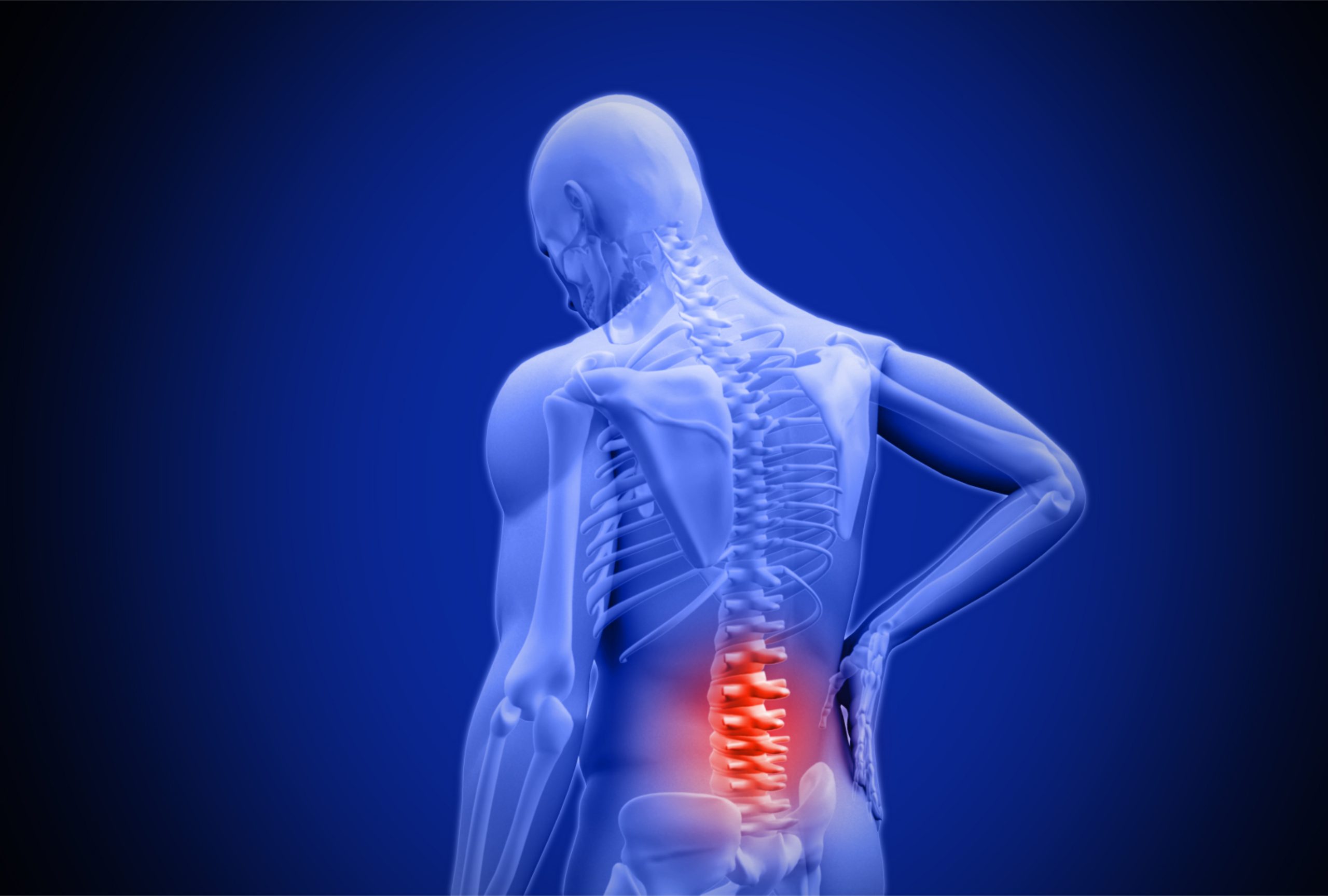
Illustration of a human skeleton highlighting lower back pain with a red glowing area in the lumbar spine

Lower Back Pain Physiotherapy: From Diagnosis to Recovery

Lower back pain affects millions worldwide, often disrupting daily life and productivity. This non-invasive approach not only alleviates discomfort but also addresses root causes, promoting long-term recovery. In this comprehensive guide, we’ll explore physiotherapy for lower back pain, from initial diagnosis to full rehabilitation. 

Whether you’re dealing with acute twinges from poor posture or chronic issues stemming from injury, physiotherapy offers a structured path forward. By focusing on personalized exercises, manual techniques, and lifestyle adjustments, it empowers you to regain strength and mobility. 

Lower Back Pain: Causes and Why Physiotherapy Matters

Lower back pain, or lumbar pain, refers to discomfort in the region between the lower rib cage and the upper buttocks. Common causes include muscle strains from heavy lifting, poor ergonomics at work, sedentary lifestyles, or age-related degeneration.

Physiotherapy stands out as a cornerstone of lower back pain treatment because it targets both symptoms and underlying imbalances. Unlike painkillers that offer temporary relief, physiotherapy rebuilds core stability, improves flexibility, and corrects movement patterns. Studies show that early intervention can reduce recovery time by up to 50%, preventing the pain from becoming chronic. For instance, weak abdominal or gluteal muscles often contribute to spinal overload, and targeted therapy restores this balance.

Acute pain lasts under six weeks and often resolves with rest and light activity, while chronic pain persists beyond three months, requiring multifaceted rehab. Physiotherapists assess these nuances to tailor plans, ensuring holistic care.

Diagnosis: Pinpointing the Source of Your Pain

Accurate diagnosis is the foundation of effective physiotherapy for lower back pain. It begins with a thorough clinical evaluation, where your physiotherapist reviews your medical history, pain onset, and aggravating factors. Expect questions like: “On a scale of 0-10, how severe is the pain?” or “Does it radiate to your legs?” This helps differentiate mechanical issues from red flags like infections or fractures.

Physical exams involve observing posture, range of motion, and strength tests such as walking, bending, or leg lifts to identify limitations. Palpation (pressing along the spine) detects tender spots, while neurological checks rule out nerve involvement, like sciatica.

If needed, imaging supports the process. X-rays reveal bone abnormalities, while MRIs detail soft tissues like discs and ligaments. Blood tests might screen for inflammatory conditions. The goal? A clear picture without over-relying on scans, as most cases (over 90%) are mechanical and don’t require them.

In physiotherapy clinics, diagnosis often integrates functional assessments, like the Oswestry Disability Index, to quantify how pain impacts activities. This data-driven approach ensures treatments align with your lifestyle, setting the stage for recovery.

Treatment Phases: A Step-by-Step Physiotherapy Journey

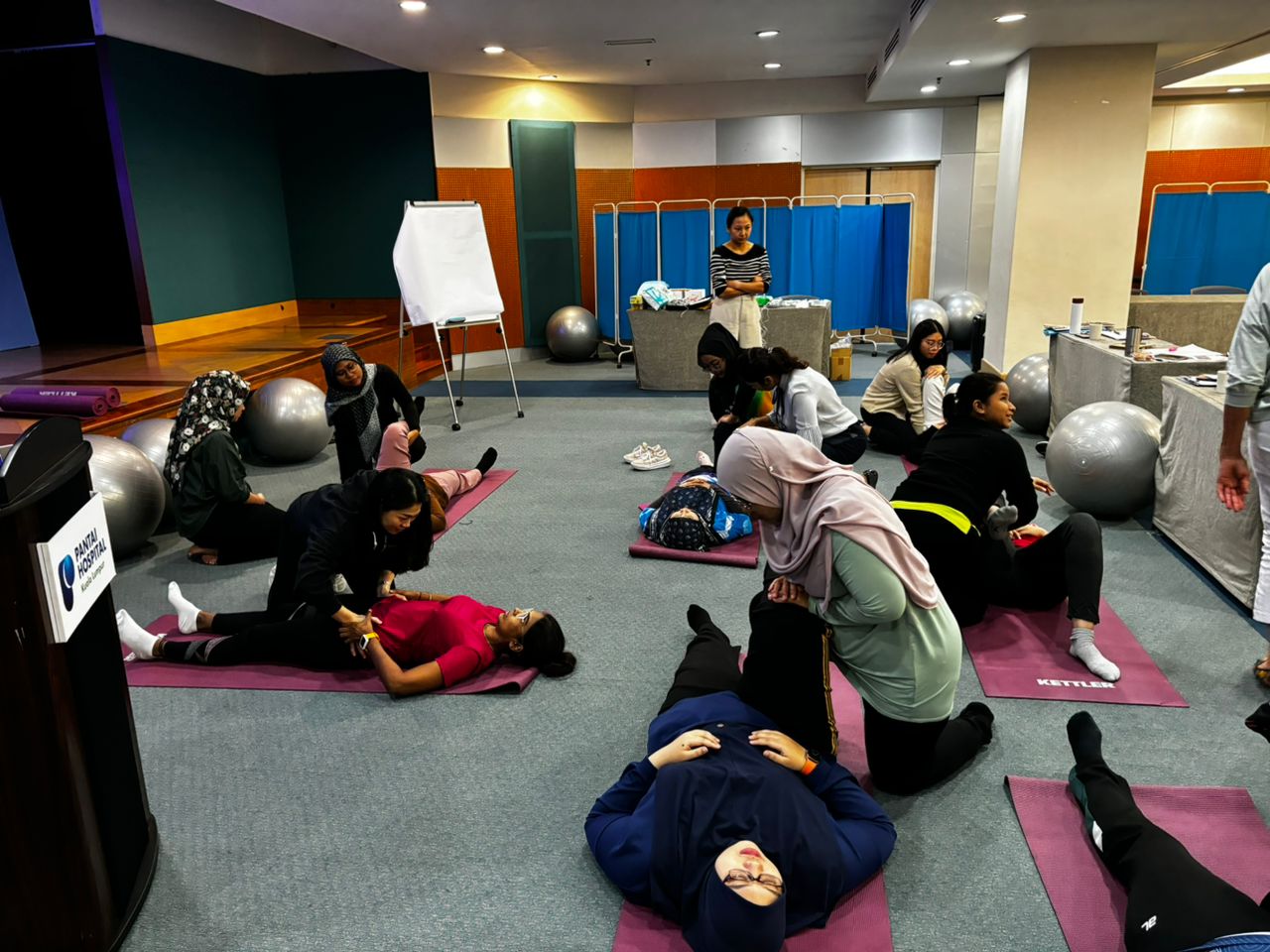
Physiotherapy for lower back pain unfolds in phases, adapting to your progress. The acute phase (first 1-2 weeks) focuses on pain control and gentle mobilization. Therapists use modalities like heat/ice packs, ultrasound, or TENS (transcutaneous electrical nerve stimulation) to reduce inflammation. Manual therapy, soft tissue massage or joint mobilizations, eases muscle spasms without aggressive manipulation.

Transitioning to the subacute phase (weeks 2-6), the emphasis shifts to active rehab. Customized exercises build endurance, starting with low-impact activities like walking or swimming. Physiotherapists teach proper body mechanics, such as safe lifting techniques, to prevent re-injury. Cognitive elements, like mindfulness for pain coping, may integrate here, drawing from CBT principles.

For chronic cases (beyond 6 weeks), treatment intensifies with advanced strengthening and functional training. This might include dry needling for trigger points or biofeedback to retrain posture. Sessions typically last 30-60 minutes, 2-3 times weekly, with home programs for consistency. Evidence from NHS guidelines highlights that combining exercise with education yields 70% better outcomes than rest alone.

Throughout, progress is monitored via pain scales and mobility tests, adjusting as needed. This phased model ensures steady gains, minimizing setbacks.

Key Exercises: Building Strength and Stability

No lower back pain treatment plan is complete without exercises. These target the core, glutes, and back extensors, fostering resilience. Always consult a physiotherapist before starting, especially post-injury.

  1. Glute Bridge: Lie on your back, knees bent, feet flat. Lift hips by squeezing glutes, forming a straight line from knees to shoulders. Hold 10-15 seconds, repeat 15 times (3 sets). Benefits: Activates glutes to support the lower spine, reducing strain during daily movements.
  2. Transverse Abdominis Activation: On your back, inhale deeply, then exhale while drawing your navel toward your spine. Hold 5 seconds, repeat 5 times. Benefits: Engages deep core muscles for spinal stability, preventing compensatory back overuse.
  3. Side-Lying Leg Raise: Lie on your side, bottom leg bent. Lift top leg 12-18 inches, hold 2 seconds, 10 reps per side (3 sets). Benefits: Strengthens hip abductors, improving pelvic alignment and balance to offload the lumbar area.
  4. Superman: Prone position, arms extended. Lift arms, chest, and legs 6 inches off the floor, hold 2 seconds, 10 reps. Benefits: Bolsters erector spinae muscles for better posture and arch support.
  5. Partial Abdominal Crunch: On your back, hands crossed over chest. Lift shoulders slightly while bracing abs, 10 reps (3 sets). Benefits: Fortifies rectus abdominis for hip and spine alignment.

Incorporate these 3-4 times weekly, progressing gradually. McKenzie exercises, like prone press-ups, can complement disc-related pain, promoting centralization (pain shifting toward the spine).

Recovery Strategies: Monitoring Progress and Avoiding Setbacks

Recovery from lower back pain via physiotherapy typically spans 4-12 weeks, with 80% improving within a month. Track milestones: reduced pain during sitting, easier bending, or resumed hobbies. Self-help tools like ice for acute flares or heat for stiffness aid daily management.

Lifestyle tweaks accelerate healing, maintain a healthy weight, use ergonomic setups, and stay hydrated. If pain persists, revisit your therapist for tweaks. Remember, consistency trumps intensity; overdoing it risks flares.

Prevention: Sustaining a Pain-Free Life

Prevention clusters around proactive habits. Ergonomic workstations, regular breaks from sitting, and core routines like yoga ward off recurrence. Aim for 150 minutes of moderate activity weekly, mixing cardio with strength training.In conclusion, physiotherapy for lower back pain transforms diagnosis into empowered recovery, blending science with personalized care. Physio Asia Therapy Centre is an award-winning clinic dedicated to providing efficient, effective physiotherapy services in Singapore.

Physiotherapy’s Advantages for Post-Surgical Recovery

Recovering from surgery is often a long and challenging process. Whether you’ve undergone orthopedic, cardiac, neurological, or abdominal surgery, the road to regaining strength, mobility, and independence requires more than just rest. Physiotherapy for post-surgical recovery plays a crucial role.

Millions of patients worldwide turn to physiotherapists after surgery because structured rehabilitation not only helps restore physical function but also prevents complications and accelerates healing. In this post, we’ll explore the advantages of physiotherapy after surgery, the science behind its effectiveness, and how it supports long-term recovery.

Understanding Post-Surgical Rehabilitation

Surgery, regardless of type, often leads to side effects such as pain, swelling, stiffness, and reduced mobility. For some patients, immobility during recovery can even cause muscle weakness, joint stiffness, or circulatory issues.

Post-surgical physiotherapy is a structured treatment plan designed to:

  • Relieve pain and swelling
  • Restore range of motion
  • Rebuild muscle strength
  • Improve balance and coordination
  • Prevent scar tissue adhesions
  • Speed up overall healing

Physiotherapists work closely with surgeons and doctors to tailor recovery programs based on the patient’s surgery, health status, and goals.

Why Physiotherapy is Essential After Surgery

1. Pain Management Without Overreliance on Medication

Post-surgical pain can significantly affect quality of life. While medication is often prescribed, physiotherapy provides non-invasive pain management techniques such as manual therapy, ultrasound therapy, electrical stimulation (TENS), and guided exercises.

Advantage: These methods reduce the need for long-term use of painkillers, minimizing risks of side effects and dependency.

2. Faster Recovery and Improved Healing

Movement stimulates blood flow, which delivers essential oxygen and nutrients to tissues for repair. Physiotherapy encourages safe mobilization soon after surgery, which accelerates healing.

Example: Patients recovering from joint replacement surgery who begin physiotherapy within 24–48 hours often regain mobility faster than those who delay.

3. Restoring Mobility and Range of Motion

Stiffness is a common post-surgical complication. Through stretching, strengthening, and mobilization exercises, physiotherapy helps restore joint flexibility and prevents permanent restrictions in movement.

4. Strengthening Muscles and Preventing Atrophy

Muscle weakness is inevitable after surgery due to inactivity. Physiotherapists prescribe strengthening exercises that target specific muscle groups, improving support around joints and reducing the risk of future injuries.

Example: After spinal surgery, core strengthening is prioritized to stabilize the spine and protect against reinjury.

5. Preventing Post-Surgical Complications

Extended bed rest after surgery increases the risk of complications like blood clots (deep vein thrombosis), pneumonia, or poor circulation. Physiotherapists introduce breathing exercises, circulation-boosting techniques, and early mobilization strategies to counteract these risks.

Advantage: Active rehabilitation ensures a safer, smoother recovery process.

6. Scar Tissue Management

Scar tissue can limit mobility and cause discomfort if left unmanaged. Physiotherapists use massage, stretching, and mobilization to break down adhesions and improve tissue elasticity.

Result: Patients experience reduced stiffness and improved functional outcomes.

7. Improving Balance and Coordination

Many patients, especially after orthopedic or neurological surgery, struggle with balance. Physiotherapy employs gait training, balance exercises, and assistive device training to restore confidence in movement.

Pro Tip: Early balance rehabilitation significantly lowers fall risk during recovery.

8. Emotional and Psychological Benefits

Surgery recovery can be mentally draining. Physiotherapy provides structured progress, measurable improvements, and patient education, helping individuals feel more in control of their recovery.

Advantage: Reduced anxiety, higher motivation, and improved overall mental well-being.

Common Surgeries That Benefit from Physiotherapy

Orthopedic Surgeries

  • Knee replacement – Physiotherapy restores mobility, strengthens leg muscles, and reduces scar tissue formation.
  • Hip replacement – Strengthening exercises improve stability, balance, and walking ability.
  • Shoulder surgery – Targeted rehabilitation prevents frozen shoulder and improves range of motion.

Spinal Surgeries

  • Discectomy, laminectomy, or spinal fusion – Physiotherapy strengthens back muscles, corrects posture, and restores flexibility.

Cardiac Surgeries

  • Physiotherapy focuses on breathing exercises, circulation, and gradual aerobic conditioning for better cardiovascular endurance.

Neurological Surgeries

  • After brain or nerve surgery, physiotherapists help patients regain motor function, balance, and coordination.

Benefits of Physiotherapy After Surgery

Several research studies support the importance of physiotherapy in surgical recovery:

  • A Journal of Bone & Joint Surgery study found that patients who underwent structured physiotherapy after knee replacement regained function faster than those who relied on self-directed exercises.
  • The American Journal of Physical Medicine & Rehabilitation reported that post-surgical physiotherapy reduces hospital stay duration and improves patient satisfaction.
  • World Health Organization (WHO) emphasizes early mobilization as a critical factor in reducing surgical complications.

These findings highlight physiotherapy as a scientifically proven, essential component of recovery.

Post-Surgical Physiotherapy Approaches

To better understand how physiotherapy works, let’s break it into treatment clusters:

1. Pain and Inflammation Management

  • Cryotherapy (ice packs)
  • Heat therapy
  • Ultrasound therapy
  • Electrical stimulation (TENS)

2. Mobility and Flexibility Restoration

  • Joint mobilization
  • Stretching routines
  • Guided range-of-motion exercises

3. Strengthening and Conditioning

  • Resistance training
  • Core stabilization
  • Weight-bearing exercises

4. Functional Rehabilitation

  • Gait training (walking patterns)
  • Balance and coordination exercises
  • Activities of daily living (ADL) retraining

5. Patient Education

  • Ergonomic advice
  • Posture correction
  • Home exercise programs

When to Start Physiotherapy After Surgery

The timing of rehabilitation depends on the surgery type:

  • Orthopedic surgeries: Usually within 24–48 hours
  • Spinal surgeries: After surgeon’s clearance, typically within days to weeks
  • Cardiac surgeries: Gradual rehabilitation starting in-hospital, continuing at home
  • Abdominal surgeries: Gentle mobility exercises begin soon after to reduce complications

A physiotherapist collaborates with surgeons to create a safe, progressive recovery timeline.

Long-Term Benefits of Physiotherapy for Post-Surgical Recovery

Physiotherapy doesn’t just end with immediate recovery. Long-term advantages include:

  • Preventing recurrence of injury or complications
  • Enhancing independence in daily activities
  • Promoting overall fitness and quality of life
  • Supporting lifestyle changes like weight management and posture correction

Key Insight: Patients who continue physiotherapy beyond initial recovery often enjoy better long-term outcomes compared to those who discontinue early.

When to Seek Professional Help Immediately

While mild discomfort is normal during rehabilitation, consult your physiotherapist or surgeon if you experience:

  • Sharp, worsening pain around the surgical site
  • Severe swelling or redness
  • Sudden loss of mobility
  • Fever or signs of infection

Prompt intervention ensures recovery stays on track.

Conclusion

Physiotherapy is a cornerstone of effective post-surgical recovery. From pain relief and mobility restoration to long-term wellness, it provides patients with the tools, confidence, and support to return to normal life faster and safer. Evidence shows that physiotherapy not only shortens recovery time but also improves long-term surgical outcomes.

Physio Asia Therapy Centre, we understand the challenges of recovering after surgery. As an award-winning clinic in Singapore, we are committed to delivering efficient, effective, and evidence-based physiotherapy services. Our experienced physiotherapists create personalised recovery plans that ensure you regain mobility, strength, and confidence.

Take the first step toward recovery today, because life after surgery should mean living better, not with limitations.

A Few Physiotherapy Exercises to Relieve Neck Pain

Neck pain is a pervasive issue in the modern world, affecting millions of people and significantly impacting their quality of life. From the chronic ache of the neck due to excessive screen time to the sudden, sharp pain from an injury, the discomfort can be debilitating. While many seek temporary relief through painkillers or massages, a more sustainable and effective approach lies in physiotherapy for neck pain. This article will delve into the critical role of professional physiotherapy, outlining specific exercises and treatment methodologies that not only alleviate pain but also address the root cause, leading to long-term relief and improved function.

Understanding the Anatomy of Neck Pain

To truly understand how physiotherapy works, it’s essential to first grasp the anatomy of the cervical spine. The neck is a complex structure of bones, muscles, nerves, ligaments, and tendons. Its primary function is to support the head, which can weigh up to 12 pounds, while allowing for a wide range of motion. When this delicate balance is disrupted—whether by poor posture, muscle strain, or injury—the result is pain and stiffness. Physiotherapy for neck pain is designed to restore this balance, targeting the underlying issues rather than just masking the symptoms. It’s an evidence-based approach that combines passive and active treatments to promote healing and strengthen the supporting structures of the neck.

The goals of a comprehensive physiotherapy program are multifaceted. First, the immediate objective is to reduce pain and stiffness, creating an environment where healing can begin. This is often achieved through a combination of manual therapy and passive modalities. Second, the focus shifts to improving the head and neck’s range of motion. Restricted movement is a common symptom of neck pain, and a physiotherapist uses targeted stretches and mobilisations to restore flexibility. Finally, and most importantly, the program aims to strengthen the muscles that support the neck. By developing dynamic strength and stability, the neck becomes more resilient to future strain, and strategies are developed to prevent pain from recurring.

The Foundation of Relief: Targeted Physiotherapy Exercises

The core of a successful physiotherapy plan is a series of specific exercises tailored to the individual’s needs. These exercises are not random movements; they are designed to target and strengthen the deep cervical muscles that are often dormant or weakened in individuals with chronic neck pain.

One of the most effective and professional programs for addressing this issue is the SCORES – Spinal Core Stability Program. This program is designed to activate and strengthen the deep stabilising muscles of the spine, not just the superficial ones. The logic is simple yet profound: the stability of your neck is directly linked to the strength of your core. If the deep core muscles are weak, the body compensates by overworking the superficial muscles in the neck and shoulders, leading to strain, fatigue, and pain.

The SCORES program focuses on a three-pronged approach:

  1. Muscle Activation: The program uses specialised techniques to “wake up” the deep upper cervical/neck muscles. These are the muscles that provide intrinsic stability to the neck joints. By learning to activate them consciously, you can take the strain off the overworked surface muscles.
  2. Core Stability: SCORES extends beyond the neck, addressing the entire spinal core. It teaches patients how to control their diaphragmatic breathing and engage their deep abdominal and back muscles. This integrated approach ensures that the entire spine is supported, reducing the overall load on the neck. The use of specialised equipment, such as the Achievo Core Stability trainer, plays a crucial role in this phase. This device provides real-time biofeedback, allowing patients to see and feel the effective activation of these deep muscles, which is a key component of effective treatment.
  3. Functional Integration: The final stage involves integrating these new movement patterns into daily activities. A physiotherapist helps patients learn to maintain proper posture and use their newly strengthened core muscles during everyday tasks like sitting at a desk, lifting objects, and even sleeping. This phase is what makes the relief from physiotherapy long-lasting, as it turns good habits into second nature.

Beyond the SCORES program, a comprehensive physiotherapy plan will also incorporate a variety of other exercises, each serving a specific purpose in the journey to recovery.

  • Stretching and Mobility Exercises: Gentle stretches for the neck, shoulders, and upper back are crucial for restoring a full range of motion. Movements like neck rotations, side bends, and chin tucks help to lengthen tight muscles and reduce stiffness. A physiotherapist will guide you on the proper form to prevent further injury and ensure the stretches are effective.
  • Strengthening Exercises: As pain subsides, the focus shifts to strengthening. This can include isometric exercises, where you hold a position without movement, and resistance training using bands or light weights. These exercises build endurance and strength in the neck muscles, making them more resilient to the stresses of daily life.
  • Postural Training: Often, the root cause of neck pain is poor posture. A physiotherapist will assess your posture and provide tailored guidance on how to sit, stand, and move in a way that minimises strain on your neck. This might involve adjustments to your workstation, advice on sleeping positions, or simple cues to remind you to hold your head in a neutral position.
  • Manual Therapy: Physiotherapists also use a hands-on approach called manual therapy. This includes joint mobilisations to improve the movement of stiff neck joints and soft tissue massage to release tension in tight muscles. These techniques can provide significant immediate relief, allowing you to perform the active exercises more effectively.

Why Expertise Matters in Physiotherapy Care

A professional physiotherapy clinic embodies all these principles. The information and treatment you receive are based on the expertise of licensed professionals who have dedicated years to studying the musculoskeletal system. Their experience comes from treating countless patients with varying degrees of neck pain, allowing them to develop a deep understanding of what works. Their authority is established by their professional certifications and the results they achieve with their clients. Ultimately, this builds trust, as you can be confident that you are receiving a safe, effective, and evidence-based treatment plan. So, choosing a reputable physiotherapy center is a critical step in your recovery journey. So, choosing a reputable physiotherapy center is a critical step in your recovery journey.

Conclusion

In conclusion, relying on a professional physiotherapy center for neck pain is the most effective long-term solution. By addressing the underlying muscular imbalances and functional deficits, physiotherapy goes beyond temporary relief to provide lasting recovery. The combination of targeted exercises, manual therapy, and patient education empowers individuals to take control of their health and prevent the recurrence of pain. Through programs like SCORES and a personalised approach, physiotherapists offer a path to a life free from chronic neck discomfort. The Physio Asia Therapy Centre is providing efficient, effective physiotherapy services in Singapore.

Top Tips for Fast Relief of Elbow Joint Pain

Elbow joint pain is a common and often debilitating condition that can significantly disrupt daily life, from simple tasks like lifting a coffee cup to engaging in a favorite sport. While the term “tennis elbow” is widely known, the reality is that this condition, medically termed lateral epicondylitis, and its counterpart, golfer’s elbow (medial epicondylitis), affect millions of people, many of whom have never stepped onto a court or a golf course. This article provides a detailed, professional, and compassionate guide to understanding, managing, and ultimately finding fast relief from elbow joint pain, ensuring you can regain function and comfort.

Understanding the Roots of Elbow Pain

The elbow is a complex hinge joint where three bones meet: the humerus in the upper arm and the radius and ulna in the forearm. It is stabilised by ligaments, surrounded by muscles, and powered by tendons. Pain in this joint is often a symptom of overuse and repetitive strain, leading to microscopic tears and inflammation in the tendons that attach to the bony bumps on either side of the elbow.

  • Tennis Elbow (Lateral Epicondylitis): This is the most common cause of elbow pain. It affects the tendons on the outer side of the elbow, specifically those that extend the wrist and fingers. Activities involving repetitive gripping, lifting, or twisting of the forearm can lead to this condition. While tennis players are susceptible, so are painters, carpenters, plumbers, and anyone who frequently uses a computer mouse or performs manual labor.
  • Golfer’s Elbow (Medial Epicondylitis): Less common than its counterpart, golfer’s elbow impacts the tendons on the inner side of the elbow, which are responsible for flexing the wrist. This condition is prevalent in golfers, pitchers, and individuals with jobs requiring repetitive wrist flexion and a strong grip.

The pain from both conditions can range from a dull ache to a sharp, burning sensation that radiates down the forearm. The goal of effective treatment is not only to provide fast relief but also to address the underlying cause to prevent recurrence.

Top Tips for Fast and Effective Elbow Joint Pain Relief

1. The R.I.C.E. Principle and Activity Modification

The first line of defense against acute elbow pain is often the R.I.C.E. principle: Rest, Ice, Compression, and Elevation.

  • Rest and Activity Modification: While complete rest is sometimes necessary, it is not always the best long-term solution. The key is modifying activities that trigger pain. This could mean adjusting your grip on a tool, using ergonomic equipment, or changing your technique during a sport. Rest allows the injured tendons to begin the healing process, but a gradual return to activity is essential to strengthen the area and prevent stiffness. For the first 48 hours after an injury, avoid movements that cause pain and give the elbow a break.
  • Ice Therapy: Applying an ice pack to the affected area for 15-20 minutes several times a day is highly effective in the first 48 hours. The cold temperature helps to constrict blood vessels, which reduces inflammation, swelling, and pain. Always wrap the ice pack in a towel to prevent skin damage.
  • Heat Therapy: After the initial inflammatory phase (typically 48 hours), switching to heat therapy can be beneficial. A warm compress or heat pad can help relax tight muscles, improve blood circulation to the area, and promote tissue healing. This is particularly useful for chronic elbow pain.
  • Compression: Using a compression sleeve or an elbow strap can provide support to the joint and help absorb some of the shock and strain during activity. A well-fitted brace can stabilise the muscles and tendons, reducing the load on the injured area.
  • Elevation: Elevating the elbow above the heart, particularly when resting, can help reduce swelling by encouraging fluid drainage.

2. Gentle Stretching and Targeted Exercises

While rest is important, immobility can lead to joint stiffness and muscle weakness. A program of gentle stretching and strengthening exercises, once approved by a healthcare professional, is vital for long-term recovery and prevention.

Stretching:

  • Wrist Extensor Stretch (for tennis elbow): With your arm extended in front of you, palm down, use your other hand to gently bend your wrist, pulling your hand toward your body. You should feel a stretch in your forearm. Hold for 20-30 seconds.
  • Wrist Flexor Stretch (for golfer’s elbow): With your arm extended, palm up, use your other hand to gently bend your wrist down, pulling your fingers toward your body. Hold for 20-30 seconds.

Strengthening:

  • Wrist Curls: Sit with your forearm resting on your knee or a table, palm up. Hold a light weight (a small dumbbell or even a soup can) and slowly curl your wrist up and down. Perform three sets of 10-15 repetitions.
  • Reverse Wrist Curls: Repeat the wrist curl exercise with your palm facing down.
  • Grip Strengthening: Squeeze a tennis ball or stress ball for 5-10 seconds and then release. Repeat 10 times.

These exercises should be performed without pain. If you feel any sharp pain, stop immediately.

3. The Role of Professional Physiotherapy

For persistent elbow pain that doesn’t improve with at-home care, seeking professional help is crucial. A qualified physiotherapist can accurately diagnose the cause of your pain and create a personalised treatment plan.

  • Manual Therapy: This can include massage, joint mobilisation, and soft tissue work to improve range of motion, reduce pain, and break down scar tissue.
  • Advanced Modalities: Physiotherapists may use various tools like shockwave therapy, which delivers sound waves to stimulate healing, or ultrasound therapy, which uses sound waves to increase blood flow and reduce pain.
  • Exercise Prescription: A professional can guide you through a safe and effective exercise program, ensuring you perform the movements correctly to strengthen the right muscles and prevent re-injury. They will also provide tailored advice on activity modification and ergonomic adjustments.

A professional’s expertise is invaluable, not just for treating the symptoms but for addressing the underlying biomechanical issues that led to the pain in the first place.

Conclusion: Your Path to a Pain-Free Life

Elbow joint pain, particularly from conditions like tennis elbow, can be a frustrating and limiting experience. However, with the right approach, including rest, ice/heat therapy, targeted exercises, and professional guidance, you can find lasting relief. Taking a proactive role in your recovery by modifying activities and strengthening the supporting muscles is key to preventing future episodes. Physio Asia Therapy Centre is an award-winning clinic dedicated to providing efficient, effective, and evidence-based physiotherapy and rehabilitation services in Singapore.

Why Physiotherapy is a Better Choice for Pain Management than Pain Pills

Pain is a universal human experience, but how we choose to manage it can have a profound impact on our long-term health and well-being. For many, the immediate and often alluring solution is a pain pill. Over-the-counter and prescription medications provide a quick fix, masking the discomfort and allowing us to carry on with our day. However, this approach often comes at a steep price, from potential side effects and dependency to a failure to address the underlying cause of the pain.

In contrast, physiotherapy offers a sustainable, holistic, and evidence-based alternative. Instead of merely treating the symptom, physiotherapy works to identify and resolve the root cause of the pain, empowering individuals to regain function, improve mobility, and prevent future issues. This article delves into the critical differences between these two approaches, highlighting why physiotherapy is the superior choice for lasting pain relief and overall health.

The Illusion of the Quick Fix: The Dangers of Pain Medication

Pain pills, particularly prescription opioids, can be highly effective for acute, short-term pain, such as following surgery or a traumatic injury. They work by altering how the brain perceives pain signals, providing immediate relief. However, the long-term use of these medications carries a number of significant risks and drawbacks:

  • Masking the Problem: Pain medication acts as a temporary bandage, dulling the pain signal without addressing what’s causing it. This can lead to a cycle where the underlying issue—be it a muscle imbalance, poor posture, or joint dysfunction—worsens over time, requiring higher doses of medication for the same level of relief.
  • Serious Side Effects: Both over-the-counter and prescription pain relievers can have a host of unpleasant and even dangerous side effects. Common issues include gastrointestinal distress, drowsiness, and cognitive impairment. More serious risks associated with long-term use include liver and kidney damage, cardiovascular problems, and a compromised immune system.
  • The Risk of Dependency and Addiction: This is one of the most critical concerns, especially with opioids. The body can quickly build up a tolerance, requiring increasingly higher doses to achieve the same effect. This can lead to physical dependence and, in many cases, a life-altering addiction. The opioid crisis has underscored the devastating impact of this all-too-common scenario.
  • Delayed Healing: By masking pain, medication can inadvertently encourage individuals to push their bodies beyond their limits, potentially re-injuring themselves or delaying the natural healing process. Pain is an important signal from the body that something is wrong, and ignoring it can have serious consequences.

Physiotherapy: A Foundational Approach to Healing

Unlike the passive and often temporary relief offered by pain pills, physiotherapy is an active, collaborative, and transformative process. It’s a science-based profession that focuses on restoring, maintaining, and maximising physical strength, function, and movement. A physiotherapist’s approach is highly personalised, starting with a comprehensive assessment to determine the root cause of the patient’s pain. The treatment plan is then tailored to the individual’s specific condition, goals, and lifestyle.

The effectiveness of physiotherapy is rooted in a few core principles:

Targeting the Root Cause

Physiotherapists don’t just treat the pain—they are detectives who work to uncover the source of the problem. For someone with chronic back pain, a physiotherapist might discover the pain isn’t from a direct injury but from weak core muscles, poor posture, or an unbalanced gait. By addressing these underlying issues, the physiotherapist provides a permanent solution rather than a temporary fix. This is the fundamental difference: one approach manages the symptom, while the other cures the disease.

The Power of Movement

Movement is a cornerstone of physiotherapy. Pain often leads to a fear of movement, causing muscles to atrophy and joints to stiffen. Physiotherapists use a variety of techniques to restore and improve movement, including:

  • Therapeutic Exercise: A personalised regimen of strengthening, stretching, and endurance exercises helps to rebuild muscle, improve flexibility, and increase joint stability. This not only reduces pain but also builds a strong foundation to prevent future injuries.
  • Manual Therapy: This hands-on approach includes joint mobilisation, massage, and soft tissue release to reduce muscle tension, improve circulation, and restore normal joint function.
  • Posture and Ergonomic Education: A significant amount of pain, especially in the neck and back, is a result of poor posture and unergonomic environments. Physiotherapists educate patients on how to correct their posture and modify their daily activities to reduce strain.

Holistic and Evidence-Based Care

Physiotherapy is not a one-size-fits-all solution. It’s an evidence-based practice that relies on the latest scientific research to inform treatment decisions. A physiotherapist may use modalities like heat, cold, or TENS (Transcutaneous Electrical Nerve Stimulation) to complement manual therapy and exercise. They also take a holistic view of the patient’s well-being, often incorporating aspects of psychology and education to help patients understand and manage their pain effectively. This comprehensive approach empowers individuals to take control of their health, rather than being passive recipients of medication.

Physiotherapy for Specific Conditions

Physiotherapy is an effective treatment for a wide range of conditions, from acute injuries to chronic pain.

  • Musculoskeletal Pain: This includes a vast array of conditions affecting the muscles, bones, joints, nerves, and ligaments. Physiotherapy is the go-to treatment for issues like lower back pain, neck pain, arthritis, and sports injuries. It helps reduce inflammation, improve mobility, and strengthen the supporting structures of the body.
  • Post-Surgical Rehabilitation: After surgery, especially joint replacements or spinal procedures, physiotherapy is crucial for regaining strength, range of motion, and function.
  • Chronic Pain Syndromes: For conditions like fibromyalgia or chronic regional pain syndrome, physiotherapy focuses on teaching pain management strategies, improving function, and breaking the cycle of pain and inactivity.

The benefits of physiotherapy extend beyond pain relief. By restoring function and mobility, it leads to a significant improvement in a person’s overall quality of life. Patients report increased energy, better sleep, reduced stress, and the ability to participate in activities they once enjoyed.

Conclusion: A Path to Lasting Health

When faced with pain, the choice between a pill and physiotherapy represents a fundamental difference in philosophy. The pill offers a temporary escape, a quick fix that often leads to dependency and a failure to address the underlying issue. Physiotherapy, on the other hand, provides a long-term solution by working with the body’s natural healing mechanisms to restore function and build strength. It’s an investment in your health that pays dividends for years to come.

By choosing physiotherapy, you’re not just treating the pain; you’re taking an active role in your own recovery. You’re learning how to move better, live healthier, and prevent future problems. The evidence is clear: for a safe, sustainable, and truly effective path to pain management, the answer lies not in a pill bottle, but in the power of movement and expert care.

Best Exercises and Therapies for Relief from Frozen Shoulder Pain

Struggling with frozen shoulder pain can make everyday tasks feel impossible, but the right exercises and therapies can offer real relief. In this guide, we explore the most effective methods to reduce stiffness, improve mobility, and ease discomfort associated with frozen shoulder. From gentle stretching routines to targeted physical therapy techniques, these expert-recommended strategies are designed to support your recovery at every stage. Whether you’re in the early phases of pain or working to regain a full range of motion, discover the best exercises and treatments to help you heal faster and move more freely starting today.
But there’s good news: with the right combination of targeted exercises and medical treatments, frozen shoulder can be effectively managed and, in many cases, fully resolved. In this post, we’ll explore the best exercises, treatments, and self-care strategies that work to relieve frozen shoulder pain and restore mobility.

Understanding Frozen Shoulder: What’s Happening?

Frozen shoulder results from inflammation and thickening of the joint capsule of the shoulder joint. The capsule gradually contracts and makes adhesions, which limit motion and lead to pain.

The process usually occurs in three stages:

1. Freezing Stage (Painful Phase)

  • Lasts 6 weeks to 9 months
  • Progressive pain and gradual loss of motion

2. Frozen Stage (Stiff Phase)

  • Lasts 4 to 6 months
  • Pain can improve, but stiffness persists.

3. Thawing Stage (Recovery Phase)

  • Lasts 6 months to 2 years
  • Gradual range of motion improvement

Relief depends on prompt intervention, gentle mobilisation, and routine care.

Best Exercises for Relief from Frozen Shoulder Pain

As much as you might want just to stay still when you’re hurting, cautious, guided exercises are crucial to restoring function. Always talk to a physiotherapist before embarking on an exercise regimen to be sure it’s appropriate for your recovery phase.

1. Pendulum Stretch (Phase: All Phases)

A gentle exercise using gravity to loosen the joint.

How to do it:

  • Lean forward slightly, bracing yourself with one hand against a table.
  • Let your involved arm hang straight down.
  • Lever your arm in little circles (10 each way).
  • Increase the size of the circle as you get better.

2. Towel Stretch (Phase: Frozen to Thawing)

This stretch enhances external rotation of the shoulder.

How to do it:

  • Hold a towel behind your back with both hands, like a pulley.
  • Use your good arm to pull the towel upward and stretch the affected arm.
  • Hold for 15–30 seconds; repeat 5–10 times daily.

3. Finger Walk (Wall Climb)

Improves forward flexion and overhead reach.

How to do it:

  • Stand facing a wall.
  • Using your fingertips (not shoulder muscles), “walk” your fingers up the wall as far as pain allows.
  • Hold for a few seconds, then walk back down.
  • Repeat 10 times, twice a day.

4. Cross-Body Arm Stretch

Excellent for increasing the mobility of the posterior capsule.

How to do it:

  • Sit or stand up.
  • Use your good arm to bring your affected arm across your chest.
  • Hold the stretch 15–30 seconds.

Repeat 5 times.

5. Doorway External Rotation Stretch

Works on the tightness at the front of the shoulder.

How to do it:

  • Stand in a doorway, elbow bent at 90 degrees.
  • Place your forearm against the door frame.
  • Gently turn your body away until a stretch is felt in the shoulder.
  • Hold for 20–30 seconds; repeat 3 times.

Top Medical and Therapeutic Treatments

1. Physical Therapy

Physical therapy is often the first and most effective line of treatment. A trained physiotherapist will design a tailored program that:

  • Restores range of motion
  • Reduces inflammation
  • Minimises scar tissue formation
  • Prevents long-term stiffness

Regular, supervised physiotherapy can dramatically reduce the time for frozen shoulder and enhance results

2. Heat and Cold

Alternating between heat and ice can relieve pain and enhance circulation.

  • Cold packs: Alleviate inflammation in the pain phase
  • Heat therapy: Loosens tight muscles before stretching

Tip: Use cold or heat for 15–20 minutes, a few times a day. Always use a cloth cover to avoid skin damage.

3. Anti-inflammatory Drugs (NSAIDs)

Over-the-counter medications such as ibuprofen or naproxen may provide temporary relief of pain and inflammation, particularly useful during the freezing phase.

Always see a healthcare provider if you have any underlying medical conditions or are taking other medications.

4. Corticosteroid Injections

If the pain is severe or interfering with sleep, an injection of a steroid into the shoulder joint can give quick relief.

Advantages are:

  • Decreased pain and inflammation
  • Better mobility to allow for physical therapy
  • Relief for weeks or months

These injections are usually employed together with a rehabilitation program, and not as a treatment per se.

5. Transcutaneous Electrical Nerve Stimulation (TENS)

Low-voltage electrical currents from TENS units interrupt pain signals.

  • Non-invasive and harmless
  • Administered at home or in a clinic
  • Works when combined with stretching

6. Manual Therapy

Joint mobilisation and massage of soft tissue can:

  • Increase circulation
  • Release tension in muscles
  • Decrease sensitivity to pain.

Manual treatment is particularly valuable in the thawing phase, when the shoulder starts to recover.

Specialised Options for Resistant Cases

7. Hydrodilatation (Capsular Distension)

This consists of injecting a saline solution into the joint capsule to distend and loosen the tight tissue.

  • Often used in conjunction with corticosteroids.
  • Carried out under the guidance of an ultrasound
  • Has good outcomes for persistent cases

8. Shoulder Manipulation Under Anaesthesia (MUA)

A surgeon uses a tip through a range of motion while the patient is anaesthetized to break up adhesions.

  • Reserved for when other treatments don’t work
  • Fast rhythms but needs follow-up rehabilitation.

9. Arthroscopic Surgery

A minimally invasive procedure to remove adhesions and scar tissue.

“Though not commonly performed, it can be effective when carefully managed.”

Then comes aggressive physical therapy for the best results

Self-Care Tips and Lifestyle Changes

Despite professional care, your at-home habits are important. Here’s how to aid in recovery at home:

  • Keep moving, but don’t overexert. Gentle movement does more good than absolute rest.
  • Move with good posture. Proper postural alignment will REDUCE strain on shoulder.
  • Sleep strategically Lie on your back or the uninjured side with a pillow holding the Affected arm.
  • Be consistent. Complete prescribed stretches daily—even when you’re stiff and discouraged.

Frozen Shoulder: What Not to Do

  • Don’t make sudden, aggressive movements—they can increase inflammation.
  • Don’t rely only on pain medication as it only addresses the symptoms
  • Don’t neglect pain that lasts longer than a few weeks. Catch it early.

Final Thoughts: Heal Smart, Move Freely

Frozen shoulder pain can feel like an uphill climb, but with the right combination of targeted exercises, professional care, and personal discipline, full recovery is achievable. Whether you’re in the early freezing phase or dealing with lingering stiffness during healing, staying consistent and committed is key to regaining mobility and comfort.

If you’re not sure where to begin or you require a specialised treatment program, don’t hesitate. Come to the professionals at Physio Asia Therapy Centre, where time-tested methods, caring treatment, and advanced technology unite to enable you to move freely from pain.

Your road to healing doesn’t have to be complicated. Take that first step today towards a freely moving, comfortably moving, and confidently moving shoulder.