What Causes Pelvic Pain and How Physio Can Help

Posted on |
Woman holding her lower abdomen while sitting on a sofa, showing discomfort from pelvic pain.

What Causes Pelvic Pain and How Physio Can Help

What Causes Pelvic Pain?

Pain felt in the region between the hips, lower abdomen, and perineum is a common and often distressing problem affecting both men and women. It may be acute, appearing suddenly due to injury, infection, or inflammation, or chronic, persisting for months or even years and often involving multiple overlapping causes.

Pelvic Floor Muscle Dysfunction
Tension, spasm, weakness, or trigger points in the pelvic floor muscles (hypertonia or myofascial pain) can lead to persistent discomfort, urinary or bowel symptoms, and pain during intercourse. Left untreated, this dysfunction may also cause secondary issues like hip or lower back pain due to compensatory muscle overuse.

Endometriosis & Adenomyosis
Endometrial tissue growing outside the uterus or into the uterine wall leads to inflammation, cyclical pain, dyspareunia, and may aggravate pelvic floor dysfunction. These conditions often cause significant emotional distress and may affect fertility, making timely diagnosis and treatment crucial.

Interstitial Cystitis/Bladder Pain Syndrome
Chronic inflammatory bladder conditions cause urgency, frequency, pain during bladder filling and referred pelvic pain. This can significantly impact daily life, limiting fluid intake, disrupting sleep, and creating anxiety around social activities.

Pelvic Congestion Syndrome
Enlarged veins and vein valve insufficiency in the pelvis cause dull, aching pain that worsens on standing or during sexual activity; it affects up to 30% of women with chronic pelvic pain. Symptoms often intensify premenstrually and may be mistaken for other gynecological issues.

Pudendal Neuralgia (Pudendal Nerve Entrapment)
Compression or irritation of the pudendal nerve causes neuropathic symptoms, burning, numbness, and pain while sitting, with possible sexual and urinary dysfunction. Prolonged sitting or cycling often worsens the pain, making daily activities particularly challenging.

Pelvic Girdle Pain & Symphysis Pubis Dysfunction
Often occurring in pregnancy/postpartum, conditions such as pelvic girdle pain (PGP) or SPD produce pain in the pubic joint, lower back, hips or legs and can persist for months or even years postpartum. Physiotherapy can greatly help by improving joint stability and reducing strain.

Post‑surgical Adhesions & Trauma
Operations such as hysterectomy, colorectal, or pelvic mesh placement may lead to scar tissue, adhesions, or nerve irritation that causes chronic pelvic pain. These adhesions can also restrict organ mobility, further worsening discomfort and limiting movement.

Lifestyle Factors
Obesity, sedentary lifestyle, heavy lifting, chronic constipation or diarrhoea, and poor posture may strain or inflame the pelvic floor region. Addressing these habits through physiotherapy and lifestyle adjustments can significantly reduce pain recurrence.

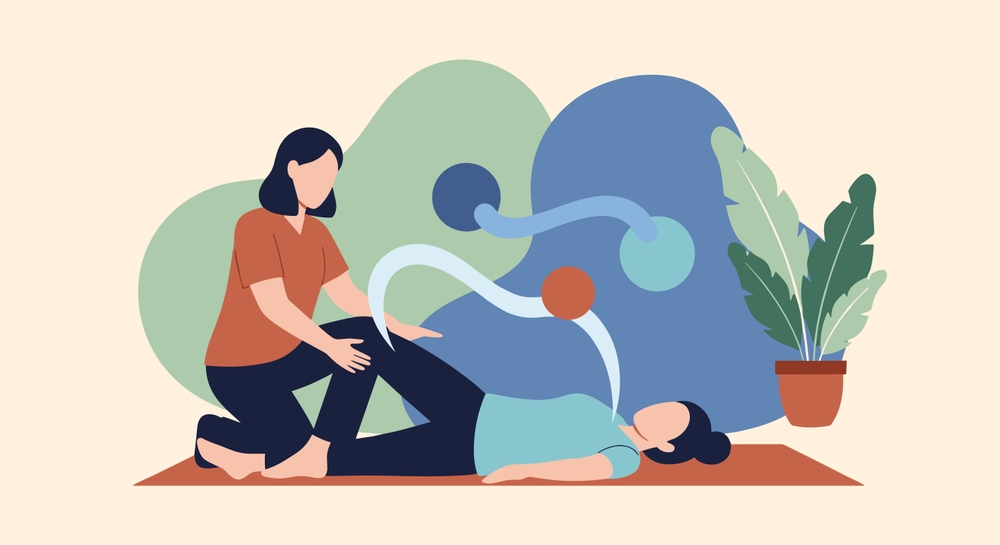
How Physiotherapy Helps Pelvic Pain: The Role of “Pelvic Floor Physical Therapy”

Assessment & Diagnosis

A specialist physiotherapist evaluates posture, gait, movement patterns, pelvic alignment, and pelvic floor muscle function to pinpoint causes such as muscle overactivity, weakness, trigger points or nerve entrapment. Testing may include internal examination, neural mobility scans and pelvic floor muscle activation assessment.

Manual Therapy & Trigger‑Point Release

Hands‑on approaches like myofascial release, soft‑tissue massage, and internal/external trigger‑point release reduce pelvic muscle tension and scar tightness. Studies show manual therapy twice weekly over 8–12 weeks significantly improves hypertonic pelvic floor symptoms.

Pelvic Floor Muscle Rehabilitation

  • Down‑training (Reverse Kegels): Teaches hypertonic pelvic floor muscles to relax, reducing spasm and pain.
  • Kegel Strengthening: For weakened pelvic floor, pelvic floor physical therapy prescribes Kegels and guided strengthening, improving support and reducing dysfunction.
  • Biofeedback & Electrostimulation: Biofeedback helps patients regain awareness and control of pelvic floor activation, while TENS and electrostimulation relieve pain and retrain muscle function.

Therapeutic Exercise & Core Stabilization

Physiotherapy designs tailored programs: core strengthening, flexibility, stretching of hip‑pelvic muscles, neural mobilization, and low‑impact activities (Pilates, yoga, swimming) to restore muscular balance and improve mobility.

Education & Lifestyle Modification

Empowering patients with knowledge about pain physiology, posture, ergonomics (e.g. sit/stand desks, coccyx cushions), bladder/bowel habits, dietary changes, stress reduction, and self‑management strategies supports long‑term recovery.

Multidisciplinary Collaboration

Pelvic floor physical therapists collaborate with gynecologists, urologists, pain specialists and other healthcare professionals when conditions such as endometriosis, pudendal neuropathy or pelvic congestion syndrome require medical, surgical, or hormonal management.

Why Choose Evidence‑Based Pelvic Floor Physical Therapy?

  • Recognised as safe, non‑invasive and patient‑centred.
  • Evidence‑based protocols demonstrate effectiveness in reducing pain, improving function, bladder/bowel control and sexual comfort
  • Personalized therapy targets root causes rather than just masking symptoms.
  • Long‑term benefits include reduced anxiety, improved quality of life and restored confidence in physical activity.

Why Physiotherapy Is Vital for Pelvic Pain Relief

Pelvic pain is often complex, with overlapping causes across muscles, nerves, organs and lifestyle habits. A tailored approach using pelvic floor physical therapy, manual therapy, therapeutic exercise, education, and interdisciplinary coordination, empowers you to regain function and comfort. By addressing both physical and psychosocial factors, physiotherapy supports lasting relief and resilience.Physio Asia Therapy Centre is an award‑winning clinic in Singapore, dedicated to providing efficient, effective, and evidence-based physiotherapy and rehabilitation services. Our pelvic health specialists offer compassionate, multidisciplinary care, from detailed assessment through to personalized exercise programs and lifestyle guidance, helping you overcome pelvic pain and reclaim your quality of life.

Shin Splints Treatment: Physiotherapy, Stretches, and Recovery Tips

Shin splints, medically known as Medial Tibial Stress Syndrome (MTSS), are a common and often painful condition that affects athletes, military personnel, and individuals who engage in high-impact activities. Characterized by a dull, aching pain along the inner edge of the shinbone, this overuse injury can sideline even the most dedicated individuals. While rest is often the first and most obvious step in recovery, it is merely the beginning of a comprehensive treatment plan. Effective and long-lasting relief from shin splints requires a multifaceted approach that addresses the underlying causes, focusing on professional guidance, targeted stretches, and smart recovery strategies.

Decoding Shin Splints: Understanding the Injury and Its Causes

Before delving into treatment, it is essential to understand what shin splints are and why they occur. The term “shin splints” is a general description for pain in the lower leg, specifically along the tibia (shinbone). This pain is caused by inflammation and irritation of the muscles, tendons, and bone tissue where they attach to the shinbone. It is fundamentally an overuse injury, resulting from repetitive stress on the lower leg.

Several factors can contribute to the development of shin splints, often in combination:

  • Sudden Increase in Activity: One of the most common culprits is a rapid increase in the intensity, duration, or frequency of exercise. This is why shin splints are prevalent among new runners, individuals starting a new sport, or athletes returning to training after a break. The body, specifically the lower leg muscles, simply doesn’t have enough time to adapt to the new workload.
  • Biomechanical Issues: Foot mechanics play a crucial role. Individuals with flat feet (overpronation) or high arches are more susceptible to shin splints. These conditions can cause uneven distribution of force across the lower leg, placing excessive stress on the muscles and shinbone.
  • Improper Footwear: Worn-out or ill-fitting shoes lack adequate support and shock absorption, increasing the impact on the lower legs during activities like running or jumping.
  • Training Surfaces: Running or exercising on hard, unforgiving surfaces like concrete or asphalt can significantly increase the impact on the legs compared to softer surfaces like grass or a synthetic track.
  • Muscle Imbalances: Weak or tight calf muscles, as well as a weak core and hip muscles, can affect gait and posture, leading to improper biomechanics and an increased load on the shin muscles.

It is also critical to differentiate shin splints from a stress fracture. While the symptoms can be similar, a stress fracture is a tiny crack in the bone itself, whereas shin splints are an inflammation of the soft tissues and bone surface. Pain from a stress fracture is typically more localized to one specific, tender spot and may persist even at rest, whereas shin splint pain is often spread out along a larger area of the shin and tends to subside with rest. An accurate diagnosis is vital to ensure the correct course of treatment.

The Pivotal Role of Physiotherapy in Shin Splints Recovery

While rest and self-care are initial steps, physiotherapy provides the expert guidance necessary for a complete and lasting recovery. A physiotherapist’s approach is not just about pain relief; it’s about correcting the underlying issues that led to the injury in the first place.

Comprehensive Assessment and Diagnosis

A physiotherapy program begins with a thorough assessment. The therapist will evaluate the individual’s gait, posture, foot mechanics, muscle strength, and flexibility. This detailed analysis helps pinpoint the exact biomechanical factors contributing to the shin splints. They will perform specific tests to confirm the diagnosis and rule out more serious conditions like a stress fracture.

Core Physiotherapy Treatment Modalities

Based on the assessment, a personalized treatment plan is developed, often incorporating a combination of the following:

  1. Manual Therapy: This hands-on approach is used to release tension and improve circulation in the affected area. Techniques may include:
    • Soft Tissue Mobilization: Deep tissue massage and myofascial release to reduce tightness and inflammation in the calf and shin muscles.
    • Joint Mobilization: Gentle, controlled movements to improve ankle and foot joint mobility, ensuring proper function.
  2. Therapeutic Exercises: A structured exercise program is the cornerstone of physiotherapy for shin splints. It’s designed to improve flexibility, strength, and endurance.
    • Stretching: Key stretches target the calf muscles (gastrocnemius and soleus) and the shin muscles (tibialis anterior). Regular stretching helps to relieve tension and improve muscle length, which can reduce the pulling force on the shinbone.
    • Strengthening: Exercises for the lower leg muscles are crucial. Examples include toe raises, heel raises, and ankle alphabet exercises to strengthen the muscles that support the shin. Strengthening the core and hip muscles is also important, as these muscles play a critical role in controlling lower leg movement and absorbing impact.
  3. Physical Modalities: Modern physiotherapy often incorporates advanced technologies to accelerate healing.
    • Ultrasound and Laser Therapy: These modalities use energy to penetrate deep into the tissues, promoting blood flow, reducing inflammation, and stimulating the healing process.
    • Shockwave Therapy: This non-invasive treatment uses acoustic waves to stimulate tissue regeneration, particularly useful for chronic or stubborn cases.
    • Taping and Orthotics: The use of supportive taping (e.g., Kinesio Taping) can help offload stress from the affected muscles. Furthermore, a physiotherapist can recommend or prescribe custom-made orthotics to correct foot alignment and provide long-term support.

Essential Stretches and Exercises for Relief and Prevention

A consistent home exercise program is vital for recovery and preventing the recurrence of shin splints. These exercises, when performed correctly, can make a substantial difference.

  • Calf Stretches (Gastrocnemius and Soleus):
    • Gastrocnemius Stretch: Stand facing a wall, place your hands on it for support. Place one foot forward and the other back, keeping the back leg straight and the heel on the floor. Lean forward until your back leg’s calf starts to stretch. Hold for 30 seconds and repeat.
    • Soleus Stretch: From the same position, bend your back knee slightly while keeping the heel on the floor. This targets the lower part of the calf. Hold for 30 seconds.
  • Tibialis Anterior Stretch: Kneel on the floor with your toes pointed back behind you. Gently lean back onto your heels, feeling the stretch along the front of your shins. For a deeper stretch, slowly lift your knees off the floor.
  • Ankle Alphabet: Sit with your leg extended. Using your big toe, “write” the letters of the alphabet in the air. This improves ankle mobility and range of motion.
  • Strengthening Exercises:
    • Heel Raises: Stand with feet shoulder-width apart and slowly rise onto your toes, holding for a few seconds before lowering back down.
    • Toe Raises: Stand on your heels and slowly lift your toes and the front of your feet off the floor. This strengthens the tibialis anterior muscle.

Key Recovery and Prevention Tips

The recovery from shin splints requires patience and smart lifestyle adjustments.

  1. Follow the RICE Protocol: In the initial stages, the RICE method is highly effective.
    • Rest: Stop the activity that caused the pain. This is non-negotiable.
    • Ice: Apply a cold pack to the affected area for 15-20 minutes several times a day to reduce inflammation.
    • Compression: Wear a compression sleeve or bandage to help minimize swelling.
    • Elevation: Elevate your leg whenever possible to reduce swelling.
  2. Gradual Return to Activity: Do not rush back into your previous routine. The “10% Rule” is a good guideline: do not increase your weekly mileage, intensity, or duration by more than 10%. If pain returns, ease back on the activity level immediately.
  3. Choose the Right Footwear: Ensure your athletic shoes are not worn out and provide proper support for your foot type. Consult with a specialist at a running shoe store or a physiotherapist for a professional fitting.
  4. Cross-Training: Incorporate low-impact activities like swimming, cycling, or using an elliptical machine into your routine. This allows you to maintain cardiovascular fitness while giving your shins a break from high-impact stress.
  5. Listen to Your Body: Pay close attention to pain signals. Pain is your body’s way of telling you that something is wrong. Pushing through the pain can turn a minor shin splint into a more severe and prolonged injury, or even a stress fracture.

In conclusion, effective shin splints treatment is a comprehensive process that goes beyond simple rest. By combining professional physiotherapy, targeted stretches, and smart recovery strategies, individuals can not only heal from this painful condition but also prevent its recurrence. Understanding the causes and implementing a personalized, evidence-based plan is key to a successful recovery. Physio Asia Therapy Centre is an award-winning clinic dedicated to providing efficient, effective, and evidence-based physiotherapy and rehabilitation services in Singapore.

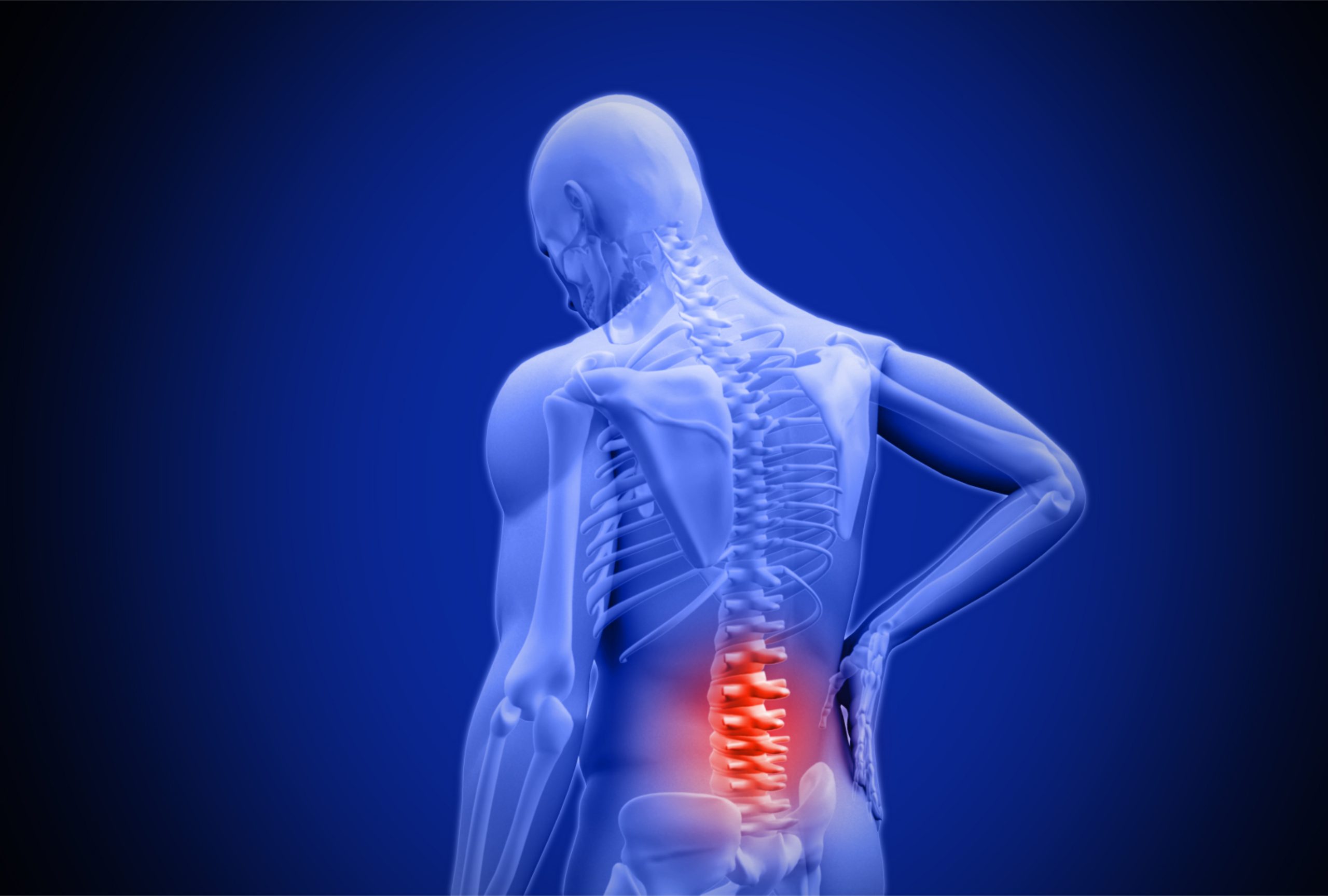
Lower Back Pain Physiotherapy: From Diagnosis to Recovery

Lower back pain affects millions worldwide, often disrupting daily life and productivity. This non-invasive approach not only alleviates discomfort but also addresses root causes, promoting long-term recovery. In this comprehensive guide, we’ll explore physiotherapy for lower back pain, from initial diagnosis to full rehabilitation. 

Whether you’re dealing with acute twinges from poor posture or chronic issues stemming from injury, physiotherapy offers a structured path forward. By focusing on personalized exercises, manual techniques, and lifestyle adjustments, it empowers you to regain strength and mobility. 

Lower Back Pain: Causes and Why Physiotherapy Matters

Lower back pain, or lumbar pain, refers to discomfort in the region between the lower rib cage and the upper buttocks. Common causes include muscle strains from heavy lifting, poor ergonomics at work, sedentary lifestyles, or age-related degeneration.

Physiotherapy stands out as a cornerstone of lower back pain treatment because it targets both symptoms and underlying imbalances. Unlike painkillers that offer temporary relief, physiotherapy rebuilds core stability, improves flexibility, and corrects movement patterns. Studies show that early intervention can reduce recovery time by up to 50%, preventing the pain from becoming chronic. For instance, weak abdominal or gluteal muscles often contribute to spinal overload, and targeted therapy restores this balance.

Acute pain lasts under six weeks and often resolves with rest and light activity, while chronic pain persists beyond three months, requiring multifaceted rehab. Physiotherapists assess these nuances to tailor plans, ensuring holistic care.

Diagnosis: Pinpointing the Source of Your Pain

Accurate diagnosis is the foundation of effective physiotherapy for lower back pain. It begins with a thorough clinical evaluation, where your physiotherapist reviews your medical history, pain onset, and aggravating factors. Expect questions like: “On a scale of 0-10, how severe is the pain?” or “Does it radiate to your legs?” This helps differentiate mechanical issues from red flags like infections or fractures.

Physical exams involve observing posture, range of motion, and strength tests such as walking, bending, or leg lifts to identify limitations. Palpation (pressing along the spine) detects tender spots, while neurological checks rule out nerve involvement, like sciatica.

If needed, imaging supports the process. X-rays reveal bone abnormalities, while MRIs detail soft tissues like discs and ligaments. Blood tests might screen for inflammatory conditions. The goal? A clear picture without over-relying on scans, as most cases (over 90%) are mechanical and don’t require them.

In physiotherapy clinics, diagnosis often integrates functional assessments, like the Oswestry Disability Index, to quantify how pain impacts activities. This data-driven approach ensures treatments align with your lifestyle, setting the stage for recovery.

Treatment Phases: A Step-by-Step Physiotherapy Journey

Physiotherapy for lower back pain unfolds in phases, adapting to your progress. The acute phase (first 1-2 weeks) focuses on pain control and gentle mobilization. Therapists use modalities like heat/ice packs, ultrasound, or TENS (transcutaneous electrical nerve stimulation) to reduce inflammation. Manual therapy, soft tissue massage or joint mobilizations, eases muscle spasms without aggressive manipulation.

Transitioning to the subacute phase (weeks 2-6), the emphasis shifts to active rehab. Customized exercises build endurance, starting with low-impact activities like walking or swimming. Physiotherapists teach proper body mechanics, such as safe lifting techniques, to prevent re-injury. Cognitive elements, like mindfulness for pain coping, may integrate here, drawing from CBT principles.

For chronic cases (beyond 6 weeks), treatment intensifies with advanced strengthening and functional training. This might include dry needling for trigger points or biofeedback to retrain posture. Sessions typically last 30-60 minutes, 2-3 times weekly, with home programs for consistency. Evidence from NHS guidelines highlights that combining exercise with education yields 70% better outcomes than rest alone.

Throughout, progress is monitored via pain scales and mobility tests, adjusting as needed. This phased model ensures steady gains, minimizing setbacks.

Key Exercises: Building Strength and Stability

No lower back pain treatment plan is complete without exercises. These target the core, glutes, and back extensors, fostering resilience. Always consult a physiotherapist before starting, especially post-injury.

  1. Glute Bridge: Lie on your back, knees bent, feet flat. Lift hips by squeezing glutes, forming a straight line from knees to shoulders. Hold 10-15 seconds, repeat 15 times (3 sets). Benefits: Activates glutes to support the lower spine, reducing strain during daily movements.
  2. Transverse Abdominis Activation: On your back, inhale deeply, then exhale while drawing your navel toward your spine. Hold 5 seconds, repeat 5 times. Benefits: Engages deep core muscles for spinal stability, preventing compensatory back overuse.
  3. Side-Lying Leg Raise: Lie on your side, bottom leg bent. Lift top leg 12-18 inches, hold 2 seconds, 10 reps per side (3 sets). Benefits: Strengthens hip abductors, improving pelvic alignment and balance to offload the lumbar area.
  4. Superman: Prone position, arms extended. Lift arms, chest, and legs 6 inches off the floor, hold 2 seconds, 10 reps. Benefits: Bolsters erector spinae muscles for better posture and arch support.
  5. Partial Abdominal Crunch: On your back, hands crossed over chest. Lift shoulders slightly while bracing abs, 10 reps (3 sets). Benefits: Fortifies rectus abdominis for hip and spine alignment.

Incorporate these 3-4 times weekly, progressing gradually. McKenzie exercises, like prone press-ups, can complement disc-related pain, promoting centralization (pain shifting toward the spine).

Recovery Strategies: Monitoring Progress and Avoiding Setbacks

Recovery from lower back pain via physiotherapy typically spans 4-12 weeks, with 80% improving within a month. Track milestones: reduced pain during sitting, easier bending, or resumed hobbies. Self-help tools like ice for acute flares or heat for stiffness aid daily management.

Lifestyle tweaks accelerate healing, maintain a healthy weight, use ergonomic setups, and stay hydrated. If pain persists, revisit your therapist for tweaks. Remember, consistency trumps intensity; overdoing it risks flares.

Prevention: Sustaining a Pain-Free Life

Prevention clusters around proactive habits. Ergonomic workstations, regular breaks from sitting, and core routines like yoga ward off recurrence. Aim for 150 minutes of moderate activity weekly, mixing cardio with strength training.In conclusion, physiotherapy for lower back pain transforms diagnosis into empowered recovery, blending science with personalized care. Physio Asia Therapy Centre is an award-winning clinic dedicated to providing efficient, effective physiotherapy services in Singapore.

Physiotherapy’s Advantages for Post-Surgical Recovery

Recovering from surgery is often a long and challenging process. Whether you’ve undergone orthopedic, cardiac, neurological, or abdominal surgery, the road to regaining strength, mobility, and independence requires more than just rest. Physiotherapy for post-surgical recovery plays a crucial role.

Millions of patients worldwide turn to physiotherapists after surgery because structured rehabilitation not only helps restore physical function but also prevents complications and accelerates healing. In this post, we’ll explore the advantages of physiotherapy after surgery, the science behind its effectiveness, and how it supports long-term recovery.

Understanding Post-Surgical Rehabilitation

Surgery, regardless of type, often leads to side effects such as pain, swelling, stiffness, and reduced mobility. For some patients, immobility during recovery can even cause muscle weakness, joint stiffness, or circulatory issues.

Post-surgical physiotherapy is a structured treatment plan designed to:

  • Relieve pain and swelling
  • Restore range of motion
  • Rebuild muscle strength
  • Improve balance and coordination
  • Prevent scar tissue adhesions
  • Speed up overall healing

Physiotherapists work closely with surgeons and doctors to tailor recovery programs based on the patient’s surgery, health status, and goals.

Why Physiotherapy is Essential After Surgery

1. Pain Management Without Overreliance on Medication

Post-surgical pain can significantly affect quality of life. While medication is often prescribed, physiotherapy provides non-invasive pain management techniques such as manual therapy, ultrasound therapy, electrical stimulation (TENS), and guided exercises.

Advantage: These methods reduce the need for long-term use of painkillers, minimizing risks of side effects and dependency.

2. Faster Recovery and Improved Healing

Movement stimulates blood flow, which delivers essential oxygen and nutrients to tissues for repair. Physiotherapy encourages safe mobilization soon after surgery, which accelerates healing.

Example: Patients recovering from joint replacement surgery who begin physiotherapy within 24–48 hours often regain mobility faster than those who delay.

3. Restoring Mobility and Range of Motion

Stiffness is a common post-surgical complication. Through stretching, strengthening, and mobilization exercises, physiotherapy helps restore joint flexibility and prevents permanent restrictions in movement.

4. Strengthening Muscles and Preventing Atrophy

Muscle weakness is inevitable after surgery due to inactivity. Physiotherapists prescribe strengthening exercises that target specific muscle groups, improving support around joints and reducing the risk of future injuries.

Example: After spinal surgery, core strengthening is prioritized to stabilize the spine and protect against reinjury.

5. Preventing Post-Surgical Complications

Extended bed rest after surgery increases the risk of complications like blood clots (deep vein thrombosis), pneumonia, or poor circulation. Physiotherapists introduce breathing exercises, circulation-boosting techniques, and early mobilization strategies to counteract these risks.

Advantage: Active rehabilitation ensures a safer, smoother recovery process.

6. Scar Tissue Management

Scar tissue can limit mobility and cause discomfort if left unmanaged. Physiotherapists use massage, stretching, and mobilization to break down adhesions and improve tissue elasticity.

Result: Patients experience reduced stiffness and improved functional outcomes.

7. Improving Balance and Coordination

Many patients, especially after orthopedic or neurological surgery, struggle with balance. Physiotherapy employs gait training, balance exercises, and assistive device training to restore confidence in movement.

Pro Tip: Early balance rehabilitation significantly lowers fall risk during recovery.

8. Emotional and Psychological Benefits

Surgery recovery can be mentally draining. Physiotherapy provides structured progress, measurable improvements, and patient education, helping individuals feel more in control of their recovery.

Advantage: Reduced anxiety, higher motivation, and improved overall mental well-being.

Common Surgeries That Benefit from Physiotherapy

Orthopedic Surgeries

  • Knee replacement – Physiotherapy restores mobility, strengthens leg muscles, and reduces scar tissue formation.
  • Hip replacement – Strengthening exercises improve stability, balance, and walking ability.
  • Shoulder surgery – Targeted rehabilitation prevents frozen shoulder and improves range of motion.

Spinal Surgeries

  • Discectomy, laminectomy, or spinal fusion – Physiotherapy strengthens back muscles, corrects posture, and restores flexibility.

Cardiac Surgeries

  • Physiotherapy focuses on breathing exercises, circulation, and gradual aerobic conditioning for better cardiovascular endurance.

Neurological Surgeries

  • After brain or nerve surgery, physiotherapists help patients regain motor function, balance, and coordination.

Benefits of Physiotherapy After Surgery

Several research studies support the importance of physiotherapy in surgical recovery:

  • A Journal of Bone & Joint Surgery study found that patients who underwent structured physiotherapy after knee replacement regained function faster than those who relied on self-directed exercises.
  • The American Journal of Physical Medicine & Rehabilitation reported that post-surgical physiotherapy reduces hospital stay duration and improves patient satisfaction.
  • World Health Organization (WHO) emphasizes early mobilization as a critical factor in reducing surgical complications.

These findings highlight physiotherapy as a scientifically proven, essential component of recovery.

Post-Surgical Physiotherapy Approaches

To better understand how physiotherapy works, let’s break it into treatment clusters:

1. Pain and Inflammation Management

  • Cryotherapy (ice packs)
  • Heat therapy
  • Ultrasound therapy
  • Electrical stimulation (TENS)

2. Mobility and Flexibility Restoration

  • Joint mobilization
  • Stretching routines
  • Guided range-of-motion exercises

3. Strengthening and Conditioning

  • Resistance training
  • Core stabilization
  • Weight-bearing exercises

4. Functional Rehabilitation

  • Gait training (walking patterns)
  • Balance and coordination exercises
  • Activities of daily living (ADL) retraining

5. Patient Education

  • Ergonomic advice
  • Posture correction
  • Home exercise programs

When to Start Physiotherapy After Surgery

The timing of rehabilitation depends on the surgery type:

  • Orthopedic surgeries: Usually within 24–48 hours
  • Spinal surgeries: After surgeon’s clearance, typically within days to weeks
  • Cardiac surgeries: Gradual rehabilitation starting in-hospital, continuing at home
  • Abdominal surgeries: Gentle mobility exercises begin soon after to reduce complications

A physiotherapist collaborates with surgeons to create a safe, progressive recovery timeline.

Long-Term Benefits of Physiotherapy for Post-Surgical Recovery

Physiotherapy doesn’t just end with immediate recovery. Long-term advantages include:

  • Preventing recurrence of injury or complications
  • Enhancing independence in daily activities
  • Promoting overall fitness and quality of life
  • Supporting lifestyle changes like weight management and posture correction

Key Insight: Patients who continue physiotherapy beyond initial recovery often enjoy better long-term outcomes compared to those who discontinue early.

When to Seek Professional Help Immediately

While mild discomfort is normal during rehabilitation, consult your physiotherapist or surgeon if you experience:

  • Sharp, worsening pain around the surgical site
  • Severe swelling or redness
  • Sudden loss of mobility
  • Fever or signs of infection

Prompt intervention ensures recovery stays on track.

Conclusion

Physiotherapy is a cornerstone of effective post-surgical recovery. From pain relief and mobility restoration to long-term wellness, it provides patients with the tools, confidence, and support to return to normal life faster and safer. Evidence shows that physiotherapy not only shortens recovery time but also improves long-term surgical outcomes.

Physio Asia Therapy Centre, we understand the challenges of recovering after surgery. As an award-winning clinic in Singapore, we are committed to delivering efficient, effective, and evidence-based physiotherapy services. Our experienced physiotherapists create personalised recovery plans that ensure you regain mobility, strength, and confidence.

Take the first step toward recovery today, because life after surgery should mean living better, not with limitations.

A Few Physiotherapy Exercises to Relieve Neck Pain

Neck pain is a pervasive issue in the modern world, affecting millions of people and significantly impacting their quality of life. From the chronic ache of the neck due to excessive screen time to the sudden, sharp pain from an injury, the discomfort can be debilitating. While many seek temporary relief through painkillers or massages, a more sustainable and effective approach lies in physiotherapy for neck pain. This article will delve into the critical role of professional physiotherapy, outlining specific exercises and treatment methodologies that not only alleviate pain but also address the root cause, leading to long-term relief and improved function.

Understanding the Anatomy of Neck Pain

To truly understand how physiotherapy works, it’s essential to first grasp the anatomy of the cervical spine. The neck is a complex structure of bones, muscles, nerves, ligaments, and tendons. Its primary function is to support the head, which can weigh up to 12 pounds, while allowing for a wide range of motion. When this delicate balance is disrupted—whether by poor posture, muscle strain, or injury—the result is pain and stiffness. Physiotherapy for neck pain is designed to restore this balance, targeting the underlying issues rather than just masking the symptoms. It’s an evidence-based approach that combines passive and active treatments to promote healing and strengthen the supporting structures of the neck.

The goals of a comprehensive physiotherapy program are multifaceted. First, the immediate objective is to reduce pain and stiffness, creating an environment where healing can begin. This is often achieved through a combination of manual therapy and passive modalities. Second, the focus shifts to improving the head and neck’s range of motion. Restricted movement is a common symptom of neck pain, and a physiotherapist uses targeted stretches and mobilisations to restore flexibility. Finally, and most importantly, the program aims to strengthen the muscles that support the neck. By developing dynamic strength and stability, the neck becomes more resilient to future strain, and strategies are developed to prevent pain from recurring.

The Foundation of Relief: Targeted Physiotherapy Exercises

The core of a successful physiotherapy plan is a series of specific exercises tailored to the individual’s needs. These exercises are not random movements; they are designed to target and strengthen the deep cervical muscles that are often dormant or weakened in individuals with chronic neck pain.

One of the most effective and professional programs for addressing this issue is the SCORES – Spinal Core Stability Program. This program is designed to activate and strengthen the deep stabilising muscles of the spine, not just the superficial ones. The logic is simple yet profound: the stability of your neck is directly linked to the strength of your core. If the deep core muscles are weak, the body compensates by overworking the superficial muscles in the neck and shoulders, leading to strain, fatigue, and pain.

The SCORES program focuses on a three-pronged approach:

  1. Muscle Activation: The program uses specialised techniques to “wake up” the deep upper cervical/neck muscles. These are the muscles that provide intrinsic stability to the neck joints. By learning to activate them consciously, you can take the strain off the overworked surface muscles.
  2. Core Stability: SCORES extends beyond the neck, addressing the entire spinal core. It teaches patients how to control their diaphragmatic breathing and engage their deep abdominal and back muscles. This integrated approach ensures that the entire spine is supported, reducing the overall load on the neck. The use of specialised equipment, such as the Achievo Core Stability trainer, plays a crucial role in this phase. This device provides real-time biofeedback, allowing patients to see and feel the effective activation of these deep muscles, which is a key component of effective treatment.
  3. Functional Integration: The final stage involves integrating these new movement patterns into daily activities. A physiotherapist helps patients learn to maintain proper posture and use their newly strengthened core muscles during everyday tasks like sitting at a desk, lifting objects, and even sleeping. This phase is what makes the relief from physiotherapy long-lasting, as it turns good habits into second nature.

Beyond the SCORES program, a comprehensive physiotherapy plan will also incorporate a variety of other exercises, each serving a specific purpose in the journey to recovery.

  • Stretching and Mobility Exercises: Gentle stretches for the neck, shoulders, and upper back are crucial for restoring a full range of motion. Movements like neck rotations, side bends, and chin tucks help to lengthen tight muscles and reduce stiffness. A physiotherapist will guide you on the proper form to prevent further injury and ensure the stretches are effective.
  • Strengthening Exercises: As pain subsides, the focus shifts to strengthening. This can include isometric exercises, where you hold a position without movement, and resistance training using bands or light weights. These exercises build endurance and strength in the neck muscles, making them more resilient to the stresses of daily life.
  • Postural Training: Often, the root cause of neck pain is poor posture. A physiotherapist will assess your posture and provide tailored guidance on how to sit, stand, and move in a way that minimises strain on your neck. This might involve adjustments to your workstation, advice on sleeping positions, or simple cues to remind you to hold your head in a neutral position.
  • Manual Therapy: Physiotherapists also use a hands-on approach called manual therapy. This includes joint mobilisations to improve the movement of stiff neck joints and soft tissue massage to release tension in tight muscles. These techniques can provide significant immediate relief, allowing you to perform the active exercises more effectively.

Why Expertise Matters in Physiotherapy Care

A professional physiotherapy clinic embodies all these principles. The information and treatment you receive are based on the expertise of licensed professionals who have dedicated years to studying the musculoskeletal system. Their experience comes from treating countless patients with varying degrees of neck pain, allowing them to develop a deep understanding of what works. Their authority is established by their professional certifications and the results they achieve with their clients. Ultimately, this builds trust, as you can be confident that you are receiving a safe, effective, and evidence-based treatment plan. So, choosing a reputable physiotherapy center is a critical step in your recovery journey. So, choosing a reputable physiotherapy center is a critical step in your recovery journey.

Conclusion

In conclusion, relying on a professional physiotherapy center for neck pain is the most effective long-term solution. By addressing the underlying muscular imbalances and functional deficits, physiotherapy goes beyond temporary relief to provide lasting recovery. The combination of targeted exercises, manual therapy, and patient education empowers individuals to take control of their health and prevent the recurrence of pain. Through programs like SCORES and a personalised approach, physiotherapists offer a path to a life free from chronic neck discomfort. The Physio Asia Therapy Centre is providing efficient, effective physiotherapy services in Singapore.

How Physiotherapy Can Help You Perform Better in Sports

Whether you are a professional athlete, a weekend runner, or someone passionate about fitness, performing at your best requires more than just training hard. It demands proper recovery, injury prevention, and body optimisation.

Sports physiotherapy is not only about treating injuries after they occur; it’s about maximising performance, preventing setbacks, and ensuring your body can consistently meet the demands of your sport. With millions of athletes worldwide turning to physiotherapy, research and experience both confirm that it plays a vital role in enhancing sports performance.

In this guide, we’ll explore the advantages of sports physiotherapy, how it works, the science behind it, and why every athlete, from beginners to elite performers, should make it part of their training routine.

Understanding Sports Physiotherapy

Sports physiotherapy is a specialised branch of physiotherapy that focuses on:

  • Injury prevention – Reducing risks by addressing weak points in the body
  • Rehabilitation – Helping athletes recover from sports-related injuries
  • Performance optimisation – Enhancing strength, flexibility, and endurance
  • Education and training – Teaching proper movement patterns and recovery strategies

Sports physiotherapists work closely with athletes, coaches, and doctors to design individualised programs that match the unique physical demands of a sport.

Why Sports Physiotherapy is Essential for Athletes

1. Injury Prevention—The Foundation of Longevity in Sports

Injuries are the biggest barriers to consistent athletic performance. Sports physiotherapists analyse biomechanics, muscle imbalances, and joint stability to identify potential risks before they turn into injuries.

How it helps:

  • Customised warm-up and cool-down routines
  • Strengthening weak muscle groups
  • Correcting poor posture or movement mechanics

Example: Runners prone to shin splints benefit from targeted calf strengthening and gait retraining, reducing recurrence significantly.

2. Faster Recovery from Sports Injuries

Despite precautions, injuries are part of sports. Physiotherapy accelerates healing by combining manual therapy, guided exercises, and advanced modalities like ultrasound or electrical stimulation.

Key recoveries supported by sports physiotherapy:

  • Ankle sprains
  • ACL (knee ligament) injuries
  • Shoulder impingement
  • Hamstring strains

Advantage: Faster return-to-play with reduced risk of re-injury.

3. Enhancing Flexibility and Range of Motion

Limited flexibility can compromise performance and increase the risk of injury. Sports physiotherapists use stretching techniques, mobility drills, and myofascial release to improve flexibility.

4. Improving Strength and Conditioning

Physiotherapists design strength training plans that go beyond general gym workouts. These programs target specific muscle groups that support athletic performance.

Example: For footballers, physiotherapy emphasises hamstring and hip strengthening to improve sprint speed and reduce muscle tears.

5. Optimising Movement and Technique

Sports performance depends heavily on proper biomechanics. Physiotherapists use video analysis and movement assessments to identify inefficiencies.

How it works:

  • Correcting running stride to improve efficiency
  • Refining golf swing mechanics to avoid shoulder strain
  • Optimising jump landing to protect knees in basketball or volleyball

Result: Better performance with reduced injury risk.

6. Boosting Recovery Through Advanced Modalities

Sports physiotherapy also uses modern therapeutic tools to speed recovery:

  • Cryotherapy: Reduces swelling and pain
  • Hydrotherapy: Improves circulation and joint movement
  • Electrical stimulation (TENS/EMS): Relieves pain and strengthens muscles
  • Shockwave therapy: Helps repair chronic injuries like tendonitis

These methods ensure athletes recover faster between training sessions and competitions.

7. Building Mental Resilience Through Education

Physiotherapy is not just physical; it’s psychological. Athletes often struggle with the frustration of injuries. Sports physiotherapists provide education, motivation, and structured recovery timelines, giving athletes confidence in their comeback.

Advantage: Improved focus, reduced stress, and a stronger mindset toward performance.

Key Areas of Sports Physiotherapy

1. Injury Prevention and Risk Reduction

  • Biomechanical analysis
  • Strengthening weak areas
  • Sport-specific conditioning

2. Rehabilitation and Recovery

  • Manual therapy
  • Customised exercise programs
  • Modalities like ultrasound, cryotherapy, or TENS

3. Performance Enhancement

  • Flexibility training
  • Core strengthening
  • Endurance conditioning

4. Athlete Education

  • Proper warm-up/cool-down routines
  • Posture and technique guidance
  • Nutrition and recovery advice

5. Return-to-Play Strategies

  • Gradual progression plans
  • Functional testing before competition
  • Mental preparation support

Sports That Benefit Most from Physiotherapy

Running and Athletics

  • Injury prevention for shin splints, IT band syndrome, and plantar fasciitis
  • Performance improvements through stride correction and strength training

Football and Rugby

  • Rehabilitation of ligament and hamstring injuries
  • Strengthening for explosive power and agility

Tennis, Badminton, and Racquet Sports

  • Shoulder stability and mobility exercises
  • Wrist and forearm strengthening to reduce strain

Swimming

  • Shoulder rehabilitation (rotator cuff injuries)
  • Flexibility and mobility training for smoother strokes

Basketball and Volleyball

  • Jump mechanics training to protect knees
  • Ankle stability exercises to prevent sprains

Long-Term Benefits of Sports Physiotherapy

Sports physiotherapy is not just for the short term—it helps athletes build sustainable careers.

  • Reduced injury downtime → more consistent training
  • Improved biomechanics → long-term joint health
  • Enhanced endurance and strength → better competition outcomes
  • Confidence and resilience → stronger mental approach to performance

Insight: Athletes who integrate physiotherapy regularly, not only during injury phases, often extend their careers and achieve peak performance consistently.

When to See a Sports Physiotherapist

You should consult a physiotherapist if you experience:

  • Persistent pain during or after exercise
  • Repeated sports injuries
  • Limited mobility or stiffness
  • Decreased performance despite training
  • Need for guidance on improving sport-specific techniques

Early intervention prevents small issues from becoming major injuries.

Conclusion

Sports physiotherapy is more than injury treatment; it’s a pathway to unlocking peak performance. By focusing on prevention, rehabilitation, biomechanics, and performance optimisation, physiotherapy empowers athletes to perform better, recover faster, and stay healthier for longer.

Whether you are an aspiring athlete or a seasoned professional, sports physiotherapy offers proven, science-backed benefits to enhance your physical abilities and protect your body from setbacks.

At Physio Asia Therapy Centre, we understand the unique demands athletes face. We are dedicated to providing efficient, effective, and evidence-based physiotherapy and rehabilitation services. Our expert physiotherapists design personalised sports recovery and performance plans tailored to your goals, helping you train harder, recover smarter, and perform at your very best.

Take the step toward better performance today- because in sports, every edge counts.

Headache and Neck Pain: Are They Connected?

Headaches are one of the most common health complaints worldwide, and neck pain isn’t far behind. Interestingly, many people experience headache and neck pain together, which often raises the question: are they connected?

The answer is yes in many cases, headaches and neck pain are linked. Understanding this connection is crucial to finding effective relief and preventing chronic discomfort. In this article, we’ll explore the causes of neck-related headaches, the science behind the connection, treatment solutions, and when to seek professional help.

Understanding the Link Between Headache and Neck Pain

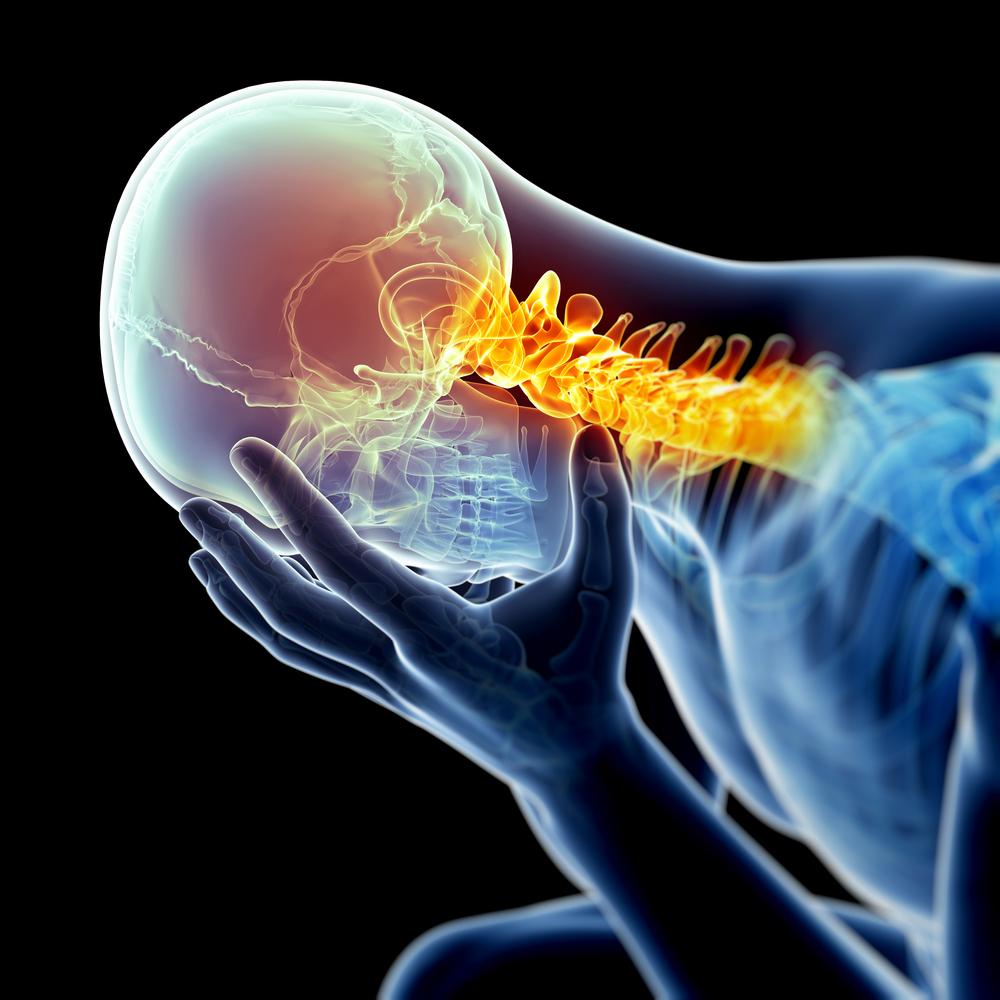
The neck, also known as the cervical spine, is a complex structure of bones, muscles, ligaments, and nerves that supports the head and allows mobility. When something in this region is strained, irritated, or inflamed, it can trigger pain that radiates upward, often presenting as a headache.

These types of headaches are often referred to as cervicogenic headaches-meaning they originate from neck dysfunction but are felt in the head. However, tension-type headaches and migraines can also be influenced or worsened by neck problems.

Common Causes of Headache Associated with Neck Pain

1. Poor Posture (“Tech Neck”)

Long hours spent hunched over computers and smartphones place significant strain on the cervical spine. This poor posture leads to muscle tightness in the neck and shoulders, which can trigger headaches.

Signs of posture-related headaches:

  • Pain at the base of the skull
  • Headache after long desk work
  • Stiff shoulders and reduced neck mobility

Solution: Ergonomic corrections, posture training, and physiotherapy exercises.

2. Muscle Tension and Stress

Stress is a well-known trigger for both headaches and neck pain. Emotional stress often manifests physically, causing muscle tightness in the upper back, neck, and shoulders. This tension restricts blood flow and irritates surrounding nerves, leading to headaches.

Solution: Stress management strategies, relaxation exercises, massage therapy, and breathing techniques.

3. Cervical Spine Dysfunction

Conditions such as cervical spondylosis, herniated discs, or facet joint arthritis can irritate nerves and cause pain radiating from the neck to the head.

Symptoms:

  • Pain radiating from neck to temples or forehead
  • Stiffness in the cervical spine
  • Tingling or numbness in arms (in severe cases)

Solution: Physiotherapy, posture correction, targeted exercises, and sometimes medical interventions.

4. Whiplash and Neck Injuries

Injuries such as whiplash from car accidents or sports can damage cervical muscles and ligaments. These injuries often result in persistent neck pain and recurrent headaches.

Solution: Early physiotherapy rehabilitation to restore function and prevent long-term complications.

5. Tension-Type Headaches

Tension headaches are often linked to neck stiffness and muscle imbalance. They usually feel like a tight band around the head and are aggravated by prolonged poor posture.

Solution: Regular stretching, ergonomic adjustments, relaxation techniques, and strengthening exercises.

6. Migraines with Neck Pain

Many migraine sufferers also report neck pain before or during an attack. While the exact link isn’t fully understood, research suggests that neck muscle tension and nerve irritation may trigger or worsen migraine episodes.

Solution: Migraine management plans supported by physiotherapy and relaxation techniques.

7. Other Underlying Conditions

In rare cases, serious issues such as infections, tumors, or neurological disorders may present with both headache and neck pain.

Red flags to watch for:

  • Severe sudden headache with stiff neck
  • Fever, nausea, or unexplained weight loss
  • Loss of consciousness or neurological symptoms

Such symptoms require immediate medical evaluation.

Types of Headaches Connected to Neck Pain

  1. Cervicogenic Headaches – Originating from cervical spine dysfunction
  2. Tension-Type Headaches – Related to muscle tension and poor posture
  3. Migraines with Neck Pain – Neurological headaches influenced by neck triggers
  4. Post-Injury Headaches – After whiplash or cervical trauma

Symptoms That Suggest Your Headache is Neck-Related

  • Pain starts at the base of the skull and radiates forward
  • Neck stiffness accompanies the headache
  • Headache worsens with certain movements or posture
  • One-sided headache with restricted neck movement
  • Relief after neck treatment or physiotherapy

Recognising these symptoms can help you differentiate between primary headaches (like migraines) and secondary headaches related to the neck.

Effective Solutions for Headache and Neck Pain

1. Physiotherapy for Long-Term Relief

Why it works: Physiotherapy addresses the root causes of neck dysfunction that trigger headaches. A physiotherapist develops a personalised plan focusing on:

  • Strengthening neck and upper back muscles
  • Correcting posture and spinal alignment
  • Restoring mobility with stretching and joint mobilisation
  • Educating on ergonomic and lifestyle adjustments

Key physiotherapy techniques include:

  • Manual therapy and massage
  • Cervical mobilisation
  • Posture retraining exercises
  • Myofascial release

2. Ergonomics and Posture Correction

Simple lifestyle adjustments can make a big difference:

  • Adjust computer screens to eye level
  • Use ergonomic chairs and proper desk setup
  • Take breaks every 30–60 minutes for stretching
  • Avoid looking down at phones for prolonged periods

3. Heat and Cold Therapy

  • Cold therapy: Helps reduce acute inflammation
  • Heat therapy: Relaxes tight muscles and improves circulation

Both methods are effective for short-term relief.

4. Stress Management Techniques

Since stress is a significant trigger, techniques such as meditation, deep breathing, yoga, and progressive muscle relaxation can ease both neck tension and headache frequency.

5. Medications (Short-Term Relief)

Over-the-counter pain relievers like NSAIDs or acetaminophen may provide temporary relief. However, long-term reliance on medication is not recommended without addressing underlying causes.

6. Advanced Treatments (When Necessary)

For persistent or severe cases, doctors may recommend:

  • Nerve blocks
  • Trigger point injections
  • Botox for chronic migraines
  • Surgery in rare, extreme cervical spine conditions

7. Lifestyle and Preventive Strategies

  • Stay active with regular exercise
  • Maintain a healthy sleep routine
  • Use supportive pillows to keep the cervical spine aligned
  • Avoid excessive caffeine or alcohol, which can trigger headaches

When to See a Doctor Immediately

Seek professional help if your headache and neck pain are accompanied by:

  • Sudden, severe headache
  • Fever, nausea, or vomiting
  • Loss of vision or double vision
  • Numbness, weakness, or paralysis
  • Loss of bladder or bowel control

These could indicate serious medical conditions requiring urgent care.

Conclusion

Headaches and neck pain are often closely connected, especially in today’s screen-heavy, fast-paced lifestyle. Whether caused by poor posture, muscle tension, cervical spine dysfunction, or stress, the neck often plays a central role in headache development.

The good news is that effective solutions exist. Physiotherapy is one of the most evidence-based, long-term treatments, helping restore posture, reduce tension, and improve spinal health. Complemented by ergonomic changes, stress management, and lifestyle adjustments, physiotherapy provides lasting relief and prevents recurrence. At Physio Asia Therapy Centre, we are dedicated to providing efficient, effective, and evidence-based physiotherapy and rehabilitation services in Singapore. Our expert physiotherapists design personalised recovery and prevention plans tailored to your needs-helping you break free from the cycle of headaches and neck pain.

A Few Benefits of Women’s Health Physiotherapy for Every Stage of Life

From adolescence through motherhood and into later life, women navigate numerous physical transformations. Many of these changes – the pelvic discomfort, urinary issues, or hormonal shifts – are often dismissed as “normal.” Yet, these concerns don’t have to be endured silently. Pelvic floor physiotherapy, a key branch of women’s health physiotherapy, offers specialised, evidence-based care to transform these experiences.

Understanding the Field

What is Women’s Health Physiotherapy?

Women’s health physiotherapy (also known as pelvic health physiotherapy) is a sensitive and comprehensive subset of physical therapy that addresses issues unique to the female body-especially those linked to the pelvic floor and associated structures. It draws from deep anatomical knowledge, managing conditions tied to childbirth, menstruation, menopause, surgery, and more.

Why Pelvic Floor Physiotherapy?

“Pelvic floor physiotherapy” is a high-volume search term for a reason-it zeroes in on the critical muscle group supporting core functions, offering targeted rehabilitation for incontinence, prolapse, pelvic pain, and reproductive health concerns.

Benefits Through the Stages of Life

1. Adolescence & Early Adulthood

While physical concerns may first appear later, even young women benefit from early intervention – especially if trauma, sports injuries, or menstrual-related pelvic issues arise. Physiotherapy Services provides education, posture correction, and early awareness to prevent chronic dysfunction later.

2. Pre-Pregnancy & Fertility Support

Some women face mechanical infertility, where pelvic adhesions or soft-tissue restrictions impact conception. Manual physiotherapy-non-invasive and low-risk-can improve tissue mobility and has even been shown to aid fertility outcomes.

3. Antenatal (Pregnancy) Care

Pregnancy brings musculoskeletal strain and pelvic discomfort. A physiotherapist provides tailored exercises, breathing techniques, and posture guidance to reduce pain and prepare the body for labour. Strengthening core and pelvic support helps with functional stability and reduces the risk of complications.

4. Postpartum Recovery

Childbirth-vaginal or cesarean-can leave residual issues like diastasis recti, pelvic floor weakness, or incontinence. Physiotherapy helps:

  • Restore pelvic floor strength
  • Promote healing and realignment of abdominal muscles
  • Alleviate postpartum pain and improve overall functional recovery

5. Pelvic Floor Dysfunction in Midlife

As women age or undergo hormonal changes, incontinence and pelvic organ prolapse may surface. Pelvic floor physiotherapy offers:

  • Strengthening through Kegel exercises, biofeedback, or electrical stimulation
  • Symptom reduction and functional improvement without surgery-making it a first-line, conservative treatment

6. Menopause & Beyond

Menopause can lead to bone density loss, muscle stiffness, and joint pain. Physiotherapy aids through:

  • Bone-strengthening (weight-bearing) exercises
  • Mobility techniques to ease stiffness
  • Addressing pelvic changes and urinary symptoms related to hormonal shifts

7. Oncology & Breast Surgery Rehab

Breast surgery or cancer treatments often result in restricted arm mobility or lymphedema. Women’s health physiotherapists offer rehabilitation to restore strength, flexibility, and lymphatic function, thereby improving quality of life during recovery.

8. Chronic Pelvic Pain & Reproductive Health Difficulty

Conditions like dyspareunia, vaginismus, vulvodynia, or unexplained pelvic pain are often associated with pelvic floor dysfunction. Physiotherapy uses a combination of manual therapy, muscle relaxation, biofeedback, and education to restore function and alleviate pain.

Techniques & Treatment Approaches

Manual Therapy & Assessment

Therapists use external and internal palpation to assess muscle tone, trigger points, and dysfunction. Techniques like soft tissue mobilisation, trigger point release, joint mobilisation, and massage restore healthy tissue and alleviate pain.

Pelvic Floor Rehabilitation

Central to the discipline are:

  • Kegel exercises to strengthen weak muscles
  • Biofeedback-visual or auditory feedback to ensure proper muscle activation
  • Electrical stimulation to enhance muscle strength and healing, especially for severe incontinence

Education & Self-Care

A cornerstone of best practice is patient education-helping women understand their bodies, techniques, posture, and lifestyle adjustments for long-term health and empowerment.

Holistic & Mental Health Support

Physiotherapy isn’t just about physical symptoms. It can reduce anxiety, support mental health during life transitions (e.g., postpartum depression, menopausal stress), and foster resilience and confidence.

Conclusion

Womens health physiotherapy, especially pelvic floor physiotherapy, plays a transformative role at every stage of a woman’s life – from support in fertility and pregnancy to recovery, midlife health, and beyond. Through a holistic blend of specialised techniques, education, and evidence-based practice, it empowers women to reclaim comfort, confidence, and physical well-being.

If you’re seeking expert, compassionate care in Singapore, look no further than Physio Asia Therapy Centre – an award-winning clinic dedicated to providing efficient, effective physiotherapy services tailored for women’s health.

Why Physiotherapy is a Better Choice for Pain Management than Pain Pills

Pain is a universal human experience, but how we choose to manage it can have a profound impact on our long-term health and well-being. For many, the immediate and often alluring solution is a pain pill. Over-the-counter and prescription medications provide a quick fix, masking the discomfort and allowing us to carry on with our day. However, this approach often comes at a steep price, from potential side effects and dependency to a failure to address the underlying cause of the pain.

In contrast, physiotherapy offers a sustainable, holistic, and evidence-based alternative. Instead of merely treating the symptom, physiotherapy works to identify and resolve the root cause of the pain, empowering individuals to regain function, improve mobility, and prevent future issues. This article delves into the critical differences between these two approaches, highlighting why physiotherapy is the superior choice for lasting pain relief and overall health.

The Illusion of the Quick Fix: The Dangers of Pain Medication

Pain pills, particularly prescription opioids, can be highly effective for acute, short-term pain, such as following surgery or a traumatic injury. They work by altering how the brain perceives pain signals, providing immediate relief. However, the long-term use of these medications carries a number of significant risks and drawbacks:

  • Masking the Problem: Pain medication acts as a temporary bandage, dulling the pain signal without addressing what’s causing it. This can lead to a cycle where the underlying issue—be it a muscle imbalance, poor posture, or joint dysfunction—worsens over time, requiring higher doses of medication for the same level of relief.
  • Serious Side Effects: Both over-the-counter and prescription pain relievers can have a host of unpleasant and even dangerous side effects. Common issues include gastrointestinal distress, drowsiness, and cognitive impairment. More serious risks associated with long-term use include liver and kidney damage, cardiovascular problems, and a compromised immune system.
  • The Risk of Dependency and Addiction: This is one of the most critical concerns, especially with opioids. The body can quickly build up a tolerance, requiring increasingly higher doses to achieve the same effect. This can lead to physical dependence and, in many cases, a life-altering addiction. The opioid crisis has underscored the devastating impact of this all-too-common scenario.
  • Delayed Healing: By masking pain, medication can inadvertently encourage individuals to push their bodies beyond their limits, potentially re-injuring themselves or delaying the natural healing process. Pain is an important signal from the body that something is wrong, and ignoring it can have serious consequences.

Physiotherapy: A Foundational Approach to Healing

Unlike the passive and often temporary relief offered by pain pills, physiotherapy is an active, collaborative, and transformative process. It’s a science-based profession that focuses on restoring, maintaining, and maximising physical strength, function, and movement. A physiotherapist’s approach is highly personalised, starting with a comprehensive assessment to determine the root cause of the patient’s pain. The treatment plan is then tailored to the individual’s specific condition, goals, and lifestyle.

The effectiveness of physiotherapy is rooted in a few core principles:

Targeting the Root Cause

Physiotherapists don’t just treat the pain—they are detectives who work to uncover the source of the problem. For someone with chronic back pain, a physiotherapist might discover the pain isn’t from a direct injury but from weak core muscles, poor posture, or an unbalanced gait. By addressing these underlying issues, the physiotherapist provides a permanent solution rather than a temporary fix. This is the fundamental difference: one approach manages the symptom, while the other cures the disease.

The Power of Movement

Movement is a cornerstone of physiotherapy. Pain often leads to a fear of movement, causing muscles to atrophy and joints to stiffen. Physiotherapists use a variety of techniques to restore and improve movement, including:

  • Therapeutic Exercise: A personalised regimen of strengthening, stretching, and endurance exercises helps to rebuild muscle, improve flexibility, and increase joint stability. This not only reduces pain but also builds a strong foundation to prevent future injuries.
  • Manual Therapy: This hands-on approach includes joint mobilisation, massage, and soft tissue release to reduce muscle tension, improve circulation, and restore normal joint function.
  • Posture and Ergonomic Education: A significant amount of pain, especially in the neck and back, is a result of poor posture and unergonomic environments. Physiotherapists educate patients on how to correct their posture and modify their daily activities to reduce strain.

Holistic and Evidence-Based Care

Physiotherapy is not a one-size-fits-all solution. It’s an evidence-based practice that relies on the latest scientific research to inform treatment decisions. A physiotherapist may use modalities like heat, cold, or TENS (Transcutaneous Electrical Nerve Stimulation) to complement manual therapy and exercise. They also take a holistic view of the patient’s well-being, often incorporating aspects of psychology and education to help patients understand and manage their pain effectively. This comprehensive approach empowers individuals to take control of their health, rather than being passive recipients of medication.

Physiotherapy for Specific Conditions

Physiotherapy is an effective treatment for a wide range of conditions, from acute injuries to chronic pain.

  • Musculoskeletal Pain: This includes a vast array of conditions affecting the muscles, bones, joints, nerves, and ligaments. Physiotherapy is the go-to treatment for issues like lower back pain, neck pain, arthritis, and sports injuries. It helps reduce inflammation, improve mobility, and strengthen the supporting structures of the body.
  • Post-Surgical Rehabilitation: After surgery, especially joint replacements or spinal procedures, physiotherapy is crucial for regaining strength, range of motion, and function.
  • Chronic Pain Syndromes: For conditions like fibromyalgia or chronic regional pain syndrome, physiotherapy focuses on teaching pain management strategies, improving function, and breaking the cycle of pain and inactivity.

The benefits of physiotherapy extend beyond pain relief. By restoring function and mobility, it leads to a significant improvement in a person’s overall quality of life. Patients report increased energy, better sleep, reduced stress, and the ability to participate in activities they once enjoyed.

Conclusion: A Path to Lasting Health

When faced with pain, the choice between a pill and physiotherapy represents a fundamental difference in philosophy. The pill offers a temporary escape, a quick fix that often leads to dependency and a failure to address the underlying issue. Physiotherapy, on the other hand, provides a long-term solution by working with the body’s natural healing mechanisms to restore function and build strength. It’s an investment in your health that pays dividends for years to come.

By choosing physiotherapy, you’re not just treating the pain; you’re taking an active role in your own recovery. You’re learning how to move better, live healthier, and prevent future problems. The evidence is clear: for a safe, sustainable, and truly effective path to pain management, the answer lies not in a pill bottle, but in the power of movement and expert care.

The Role of Physical Therapy in Shoulder Pain Recovery

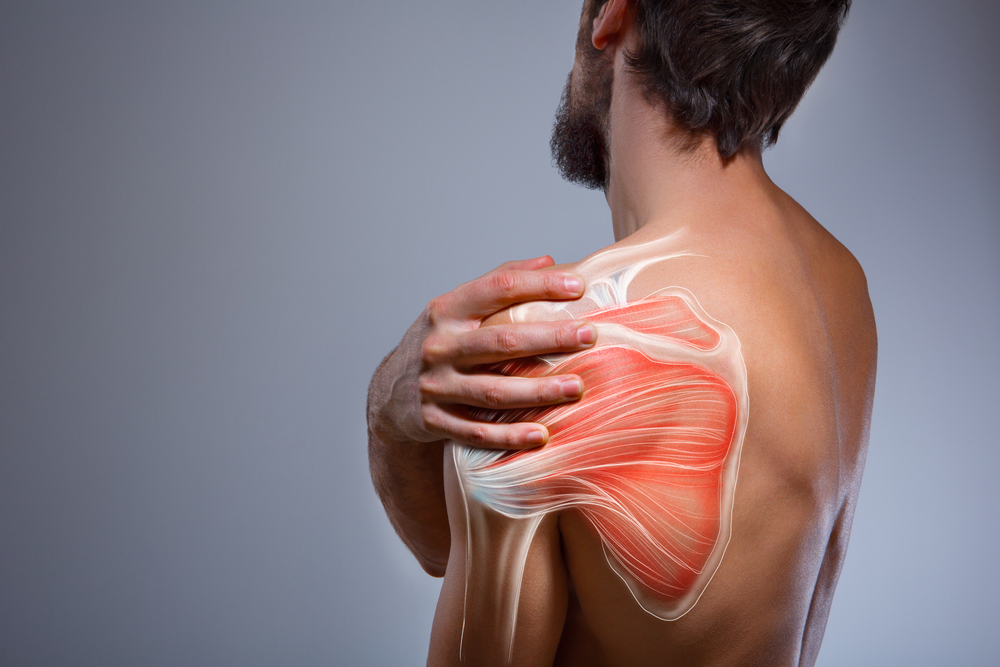
Shoulder pain is a widespread complaint, and many people in Singapore search for shoulder pain physiotherapy to find effective, non‑surgical solutions. Physical therapy plays a pivotal role in diagnosing causes, relieving pain, restoring motion, and preventing future issues. This article presents a comprehensive guide that explores the underlying conditions, evidence‑based physiotherapy practices, and advanced approaches available in Singapore.

Understanding Shoulder Pain: Common Conditions

1. Rotator Cuff–Related Pain & Tendonitis

Rotator cuff injuries and tendonitis often result in pain, especially with arm elevation or overhead movement. This condition limits function and causes weakness. If untreated, it may progress to chronic pain or even partial tears, affecting overall shoulder stability and strength.

2. Frozen Shoulder (Adhesive Capsulitis)

Frozen shoulder progresses through three stages: pain onset (“freezing”), stiffness (“frozen”), and gradual recovery (“thawing”). It can persist for months, causing severely limited shoulder movement. Early intervention through physiotherapy can significantly improve mobility and reduce the duration of symptoms.

3. Shoulder Impingement & Bursitis

Impingement occurs when tendons rub under the acromion during arm elevation, while bursitis involves inflammation of the bursa. Both result in pain with movement and impair daily activity. These conditions are often aggravated by repetitive overhead tasks or poor posture, making posture correction a key part of treatment.

Why Seek Shoulder Pain Physiotherapy in Singapore?

1. First‑Line Conservative Care

In Singapore, leading healthcare institutions such as SingHealth recommend physiotherapy and lifestyle modification as first-line interventions for most shoulder conditions before more invasive treatments are considered.

2. Early Intervention Improves Outcomes

Delaying treatment can lead to scar tissue buildup, higher disability, and slower recovery. Seeking physiotherapy early helps address root causes and prevent chronicity.

3. Professional Assessment & Accurate Diagnosis

Physiotherapists use patient history, physical examination, and sometimes functional indices such as the SPADI (Shoulder Pain and Disability Index) to assess severity and track improvement.

Evidence-Based Physical Therapy Interventions

1. Therapeutic Exercise & Progressive Loading

Therapeutic exercise is a cornerstone of recovery for subacromial and rotator cuff pain. Systematic reviews support its effectiveness in reducing pain and restoring function. Individualised, progressive loading programs also enhance muscle strength, improve scapular stability, and prevent future injuries.

2. Manual Therapy & Mobilisation with Movement (MWM)

Manual therapy techniques—including joint mobilisation, thoracic spine manipulation, and MWM, are effective when combined with exercise, especially for shoulder impingement and rotator cuff-related pain. High‑volume MWM has been shown to improve angular onset of pain during abduction. When integrated with exercise, these techniques help restore joint mechanics and enhance range of motion more quickly.

3. Electrotherapy & Adjunct Modalities

Modalities such as electrotherapy, ultrasound, dry needling, and shockwave therapy can supplement exercise and manual therapy, particularly useful in conditions like frozen shoulder. These adjunct treatments can help reduce inflammation, modulate pain, and accelerate tissue healing when used appropriately.

4. Patient Education & Ergonomic Advice

A critical component involves instructing patients about posture, activity modification, and gradual loading to prevent repeat injury. This holistic approach is key to long‑term success. Empowering patients with self‑management strategies ensures sustained progress beyond clinical sessions.

What to Expect in a Session in Singapore

  1. Initial Evaluation – History, pain/disability scoring (e.g. SPADI), physical assessment.
  2. First Treatment – Immediate pain relief using gentle mobilisation, massage, or electro‑modalities to reduce discomfort.
  3. Progressive Program Design – A gradual plan combining manual techniques, therapeutic exercise, and patient education.
  4. Home Exercise Prescription – Patients receive tailored routines to perform independently, reinforcing clinical gains.
  5. Regular Monitoring & Adjustment – Progress is tracked using SPADI or functional measures and therapy is refined accordingly.

Preventing Recurrence & Long‑Term Health

Physiotherapy doesn’t end when pain fades. Key preventive strategies include:

  • Ergonomic training for daily posture and activity
  • Regular strengthening & flexibility routines
  • Monitoring risk factors such as previous injuries or overuse
  • Early re‑consultation if symptoms re‑emerge

Such strategies help maintain shoulder health and prevent repeating injury down the line.

Why Physio Asia Therapy Centre?

  • Evidence‑based practice in line with global research and Singapore standards.
  • Experienced clinicians skilled in managing conditions like rotator cuff injuries, frozen shoulder, and impingement.
  • Advanced modalities such as manual therapy, mobilisation with movement, dry needling, shockwave or INDIBA‑type techniques.
  • Individualised treatment plans, objective assessment, and holistic patient education.

Conclusion

In summary, physical therapy is indispensable in shoulder pain recovery, offering a structured, evidence-based, and patient-centered route to restoring mobility, relieving pain, and improving quality of life. When managed early, with appropriate therapeutic exercise, manual techniques, adjunct modalities, education, and long-term prevention, outcomes are excellent. For anyone searching for shoulder pain physiotherapy in Singapore, look no further than Physio Asia Therapy Centre. As an award-winning clinic dedicated to providing efficient, effective, and evidence‑based physiotherapy and rehabilitation services in Singapore, Physio Asia stands at the forefront of shoulder pain recovery. Whether you’re dealing with a rotator cuff injury, frozen shoulder or impingement, their expert team offers personalised care to help you get back to your best.