How Physiotherapy Can Help You Perform Better in Sports

Posted on |
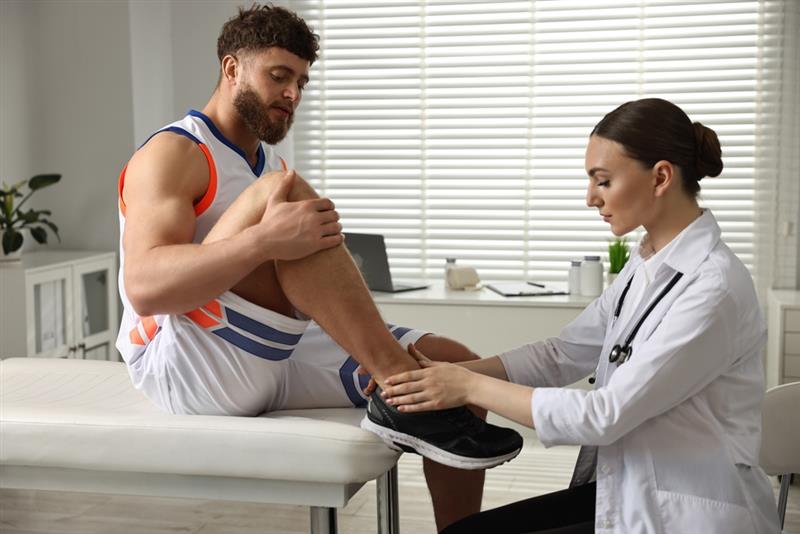
Sports physiotherapy session with a physiotherapist assessing a basketball player’s leg injury.

How Physiotherapy Can Help You Perform Better in Sports

Whether you are a professional athlete, a weekend runner, or someone passionate about fitness, performing at your best requires more than just training hard. It demands proper recovery, injury prevention, and body optimisation.

Sports physiotherapy is not only about treating injuries after they occur; it’s about maximising performance, preventing setbacks, and ensuring your body can consistently meet the demands of your sport. With millions of athletes worldwide turning to physiotherapy, research and experience both confirm that it plays a vital role in enhancing sports performance.

In this guide, we’ll explore the advantages of sports physiotherapy, how it works, the science behind it, and why every athlete, from beginners to elite performers, should make it part of their training routine.

Understanding Sports Physiotherapy

Sports physiotherapy is a specialised branch of physiotherapy that focuses on:

  • Injury prevention – Reducing risks by addressing weak points in the body
  • Rehabilitation – Helping athletes recover from sports-related injuries
  • Performance optimisation – Enhancing strength, flexibility, and endurance
  • Education and training – Teaching proper movement patterns and recovery strategies

Sports physiotherapists work closely with athletes, coaches, and doctors to design individualised programs that match the unique physical demands of a sport.

Why Sports Physiotherapy is Essential for Athletes

1. Injury Prevention—The Foundation of Longevity in Sports

Injuries are the biggest barriers to consistent athletic performance. Sports physiotherapists analyse biomechanics, muscle imbalances, and joint stability to identify potential risks before they turn into injuries.

How it helps:

  • Customised warm-up and cool-down routines
  • Strengthening weak muscle groups
  • Correcting poor posture or movement mechanics

Example: Runners prone to shin splints benefit from targeted calf strengthening and gait retraining, reducing recurrence significantly.

2. Faster Recovery from Sports Injuries

Despite precautions, injuries are part of sports. Physiotherapy accelerates healing by combining manual therapy, guided exercises, and advanced modalities like ultrasound or electrical stimulation.

Key recoveries supported by sports physiotherapy:

  • Ankle sprains
  • ACL (knee ligament) injuries
  • Shoulder impingement
  • Hamstring strains

Advantage: Faster return-to-play with reduced risk of re-injury.

3. Enhancing Flexibility and Range of Motion

Limited flexibility can compromise performance and increase the risk of injury. Sports physiotherapists use stretching techniques, mobility drills, and myofascial release to improve flexibility.

4. Improving Strength and Conditioning

Physiotherapists design strength training plans that go beyond general gym workouts. These programs target specific muscle groups that support athletic performance.

Example: For footballers, physiotherapy emphasises hamstring and hip strengthening to improve sprint speed and reduce muscle tears.

5. Optimising Movement and Technique

Sports performance depends heavily on proper biomechanics. Physiotherapists use video analysis and movement assessments to identify inefficiencies.

How it works:

  • Correcting running stride to improve efficiency
  • Refining golf swing mechanics to avoid shoulder strain
  • Optimising jump landing to protect knees in basketball or volleyball

Result: Better performance with reduced injury risk.

6. Boosting Recovery Through Advanced Modalities

Sports physiotherapy also uses modern therapeutic tools to speed recovery:

  • Cryotherapy: Reduces swelling and pain
  • Hydrotherapy: Improves circulation and joint movement
  • Electrical stimulation (TENS/EMS): Relieves pain and strengthens muscles
  • Shockwave therapy: Helps repair chronic injuries like tendonitis

These methods ensure athletes recover faster between training sessions and competitions.

7. Building Mental Resilience Through Education

Physiotherapy is not just physical; it’s psychological. Athletes often struggle with the frustration of injuries. Sports physiotherapists provide education, motivation, and structured recovery timelines, giving athletes confidence in their comeback.

Advantage: Improved focus, reduced stress, and a stronger mindset toward performance.

Key Areas of Sports Physiotherapy

1. Injury Prevention and Risk Reduction

  • Biomechanical analysis
  • Strengthening weak areas
  • Sport-specific conditioning

2. Rehabilitation and Recovery

  • Manual therapy
  • Customised exercise programs
  • Modalities like ultrasound, cryotherapy, or TENS

3. Performance Enhancement

  • Flexibility training
  • Core strengthening
  • Endurance conditioning

4. Athlete Education

  • Proper warm-up/cool-down routines
  • Posture and technique guidance
  • Nutrition and recovery advice

5. Return-to-Play Strategies

  • Gradual progression plans
  • Functional testing before competition
  • Mental preparation support

Sports That Benefit Most from Physiotherapy

Running and Athletics

  • Injury prevention for shin splints, IT band syndrome, and plantar fasciitis
  • Performance improvements through stride correction and strength training

Football and Rugby

  • Rehabilitation of ligament and hamstring injuries
  • Strengthening for explosive power and agility

Tennis, Badminton, and Racquet Sports

  • Shoulder stability and mobility exercises
  • Wrist and forearm strengthening to reduce strain

Swimming

  • Shoulder rehabilitation (rotator cuff injuries)
  • Flexibility and mobility training for smoother strokes

Basketball and Volleyball

  • Jump mechanics training to protect knees
  • Ankle stability exercises to prevent sprains

Long-Term Benefits of Sports Physiotherapy

Sports physiotherapy is not just for the short term—it helps athletes build sustainable careers.

  • Reduced injury downtime → more consistent training
  • Improved biomechanics → long-term joint health
  • Enhanced endurance and strength → better competition outcomes
  • Confidence and resilience → stronger mental approach to performance

Insight: Athletes who integrate physiotherapy regularly, not only during injury phases, often extend their careers and achieve peak performance consistently.

When to See a Sports Physiotherapist

You should consult a physiotherapist if you experience:

  • Persistent pain during or after exercise
  • Repeated sports injuries
  • Limited mobility or stiffness
  • Decreased performance despite training
  • Need for guidance on improving sport-specific techniques

Early intervention prevents small issues from becoming major injuries.

Conclusion

Sports physiotherapy is more than injury treatment; it’s a pathway to unlocking peak performance. By focusing on prevention, rehabilitation, biomechanics, and performance optimisation, physiotherapy empowers athletes to perform better, recover faster, and stay healthier for longer.

Whether you are an aspiring athlete or a seasoned professional, sports physiotherapy offers proven, science-backed benefits to enhance your physical abilities and protect your body from setbacks.

At Physio Asia Therapy Centre, we understand the unique demands athletes face. We are dedicated to providing efficient, effective, and evidence-based physiotherapy and rehabilitation services. Our expert physiotherapists design personalised sports recovery and performance plans tailored to your goals, helping you train harder, recover smarter, and perform at your very best.

Take the step toward better performance today- because in sports, every edge counts.
The Role of Physical Therapy in Shoulder Pain Recovery

Shoulder pain is a widespread complaint, and many people in Singapore search for shoulder pain physiotherapy to find effective, non‑surgical solutions. Physical therapy plays a pivotal role in diagnosing causes, relieving pain, restoring motion, and preventing future issues. This article presents a comprehensive guide that explores the underlying conditions, evidence‑based physiotherapy practices, and advanced approaches available in Singapore.

Understanding Shoulder Pain: Common Conditions

1. Rotator Cuff–Related Pain & Tendonitis

Rotator cuff injuries and tendonitis often result in pain, especially with arm elevation or overhead movement. This condition limits function and causes weakness. If untreated, it may progress to chronic pain or even partial tears, affecting overall shoulder stability and strength.

2. Frozen Shoulder (Adhesive Capsulitis)

Frozen shoulder progresses through three stages: pain onset (“freezing”), stiffness (“frozen”), and gradual recovery (“thawing”). It can persist for months, causing severely limited shoulder movement. Early intervention through physiotherapy can significantly improve mobility and reduce the duration of symptoms.

3. Shoulder Impingement & Bursitis

Impingement occurs when tendons rub under the acromion during arm elevation, while bursitis involves inflammation of the bursa. Both result in pain with movement and impair daily activity. These conditions are often aggravated by repetitive overhead tasks or poor posture, making posture correction a key part of treatment.

Why Seek Shoulder Pain Physiotherapy in Singapore?

1. First‑Line Conservative Care

In Singapore, leading healthcare institutions such as SingHealth recommend physiotherapy and lifestyle modification as first-line interventions for most shoulder conditions before more invasive treatments are considered.

2. Early Intervention Improves Outcomes

Delaying treatment can lead to scar tissue buildup, higher disability, and slower recovery. Seeking physiotherapy early helps address root causes and prevent chronicity.

3. Professional Assessment & Accurate Diagnosis

Physiotherapists use patient history, physical examination, and sometimes functional indices such as the SPADI (Shoulder Pain and Disability Index) to assess severity and track improvement.

Evidence-Based Physical Therapy Interventions

1. Therapeutic Exercise & Progressive Loading

Therapeutic exercise is a cornerstone of recovery for subacromial and rotator cuff pain. Systematic reviews support its effectiveness in reducing pain and restoring function. Individualised, progressive loading programs also enhance muscle strength, improve scapular stability, and prevent future injuries.

2. Manual Therapy & Mobilisation with Movement (MWM)

Manual therapy techniques—including joint mobilisation, thoracic spine manipulation, and MWM, are effective when combined with exercise, especially for shoulder impingement and rotator cuff-related pain. High‑volume MWM has been shown to improve angular onset of pain during abduction. When integrated with exercise, these techniques help restore joint mechanics and enhance range of motion more quickly.

3. Electrotherapy & Adjunct Modalities

Modalities such as electrotherapy, ultrasound, dry needling, and shockwave therapy can supplement exercise and manual therapy, particularly useful in conditions like frozen shoulder. These adjunct treatments can help reduce inflammation, modulate pain, and accelerate tissue healing when used appropriately.

4. Patient Education & Ergonomic Advice

A critical component involves instructing patients about posture, activity modification, and gradual loading to prevent repeat injury. This holistic approach is key to long‑term success. Empowering patients with self‑management strategies ensures sustained progress beyond clinical sessions.

What to Expect in a Session in Singapore

  1. Initial Evaluation – History, pain/disability scoring (e.g. SPADI), physical assessment.
  2. First Treatment – Immediate pain relief using gentle mobilisation, massage, or electro‑modalities to reduce discomfort.
  3. Progressive Program Design – A gradual plan combining manual techniques, therapeutic exercise, and patient education.
  4. Home Exercise Prescription – Patients receive tailored routines to perform independently, reinforcing clinical gains.
  5. Regular Monitoring & Adjustment – Progress is tracked using SPADI or functional measures and therapy is refined accordingly.

Preventing Recurrence & Long‑Term Health

Physiotherapy doesn’t end when pain fades. Key preventive strategies include:

  • Ergonomic training for daily posture and activity
  • Regular strengthening & flexibility routines
  • Monitoring risk factors such as previous injuries or overuse
  • Early re‑consultation if symptoms re‑emerge

Such strategies help maintain shoulder health and prevent repeating injury down the line.

Why Physio Asia Therapy Centre?

  • Evidence‑based practice in line with global research and Singapore standards.
  • Experienced clinicians skilled in managing conditions like rotator cuff injuries, frozen shoulder, and impingement.
  • Advanced modalities such as manual therapy, mobilisation with movement, dry needling, shockwave or INDIBA‑type techniques.
  • Individualised treatment plans, objective assessment, and holistic patient education.

Conclusion

In summary, physical therapy is indispensable in shoulder pain recovery, offering a structured, evidence-based, and patient-centered route to restoring mobility, relieving pain, and improving quality of life. When managed early, with appropriate therapeutic exercise, manual techniques, adjunct modalities, education, and long-term prevention, outcomes are excellent. For anyone searching for shoulder pain physiotherapy in Singapore, look no further than Physio Asia Therapy Centre. As an award-winning clinic dedicated to providing efficient, effective, and evidence‑based physiotherapy and rehabilitation services in Singapore, Physio Asia stands at the forefront of shoulder pain recovery. Whether you’re dealing with a rotator cuff injury, frozen shoulder or impingement, their expert team offers personalised care to help you get back to your best.

Outpatient Physiotherapy: Key Techniques and Modern Treatment Approaches

In the world of modern medicine, recovering from an injury, surgery, or chronic condition extends far beyond the hospital walls. It is a journey that requires sustained, expert guidance to restore function, alleviate pain, and rebuild strength. This is the domain of outpatient physiotherapy rehabilitation that offers a flexible and patient-centered pathway to full recovery. Unlike inpatient care, which is confined to a facility, outpatient physiotherapy empowers individuals to actively engage in their healing process while navigating the demands of daily life. This article explores the core techniques and innovative treatment approaches that define this essential form of rehabilitative care, highlighting how it serves as the bridge from recovery to a fully functional and active life.

The Foundational Pillars of Outpatient Physiotherapy

Effective outpatient physiotherapy is built on a comprehensive and evidence-based framework that integrates multiple techniques. While the specific plan is always tailored to the individual, the foundational pillars of treatment remain consistent, addressing both the symptoms and the root cause of a condition.

1. Manual Therapy

At the heart of many outpatient programs is manual therapy, a skilled, hands-on approach performed by the physiotherapist. This is where the practitioner uses their hands to assess and treat a patient’s musculoskeletal system. Techniques include:

  • Joint Mobilisation and Manipulation: Gentle, controlled movements applied to stiff or painful joints to restore range of motion and reduce pain. These techniques can help break down adhesions and improve joint fluid dynamics.
  • Soft Tissue Mobilisation: A form of therapeutic massage that targets muscles, tendons, and ligaments to release tightness, reduce swelling, and improve circulation.
  • Myofascial Release: A specialised technique that focuses on the fascia, a network of connective tissue that surrounds muscles. By applying sustained pressure, a therapist can release fascial restrictions that contribute to pain and limited mobility.

Manual therapy is not just about a temporary fix; it’s about preparing the body for the next crucial step: therapeutic exercise. By first releasing tension and improving joint mobility, the therapist creates an optimal environment for the patient to perform exercises more effectively and with less pain.

2. Therapeutic Exercise

Therapeutic exercise is the cornerstone of any rehabilitation program. It is a controlled physical stress applied to the body to improve strength, flexibility, coordination, and endurance. The types of exercises vary widely based on the patient’s condition and stage of recovery.

  • Range of Motion (ROM) Exercises: These are often the first step, designed to restore flexibility in a joint. They can be passive (the therapist moves the limb for the patient), active-assistive (the patient helps the therapist), or active (the patient performs the movement on their own).
  • Strengthening Exercises: As recovery progresses, the focus shifts to building muscle strength and stability. This may involve using resistance bands, light weights, bodyweight exercises, or specialised equipment.
  • Balance and Proprioception Training: Particularly for neurological or orthopedic conditions, exercises aimed at improving balance and the body’s awareness of its position in space are crucial for preventing falls and re-injury.
  • Gait Training: For patients recovering from lower limb injuries or neurological events, gait training involves a structured program to retrain walking patterns, improve stability, and restore a fluid, efficient stride.

The power of therapeutic exercise lies in its ability to be customised. A physiotherapist develops a personalised home exercise program, empowering patients to become active participants in their recovery, ensuring progress continues between clinic visits.

3. Therapeutic Modalities

Physiotherapists also utilise a range of physical agents or modalities to complement manual therapy and exercise. These devices apply external energy to the body to help manage pain, reduce inflammation, and promote healing.

  • Heat and Cold Therapy: Simple yet highly effective. Heat therapy (thermotherapy) is used to increase blood flow, relax muscles, and prepare tissues for exercise. Cold therapy (cryotherapy) is used to reduce inflammation and numb acute pain.
  • Electrotherapy: This involves using a mild electrical current to stimulate nerves or muscles. Common forms include TENS (Transcutaneous Electrical Nerve Stimulation) for pain relief and NMES (Neuromuscular Electrical Stimulation) to help re-educate weakened muscles and improve function.
  • Therapeutic Ultrasound: This modality uses high-frequency sound waves to generate deep heat, which can promote circulation, reduce muscle spasms, and accelerate healing in soft tissues.

The Patient-Centric Approach: Beyond Techniques

What truly defines the best outpatient physiotherapy is not just the techniques used, but the overall patient experience. The modern approach is a partnership, with the physiotherapist serving as a guide, educator, and motivator.

  • Holistic Assessment: A great physiotherapist looks beyond the immediate injury. They assess a patient’s posture, movement patterns, and lifestyle to identify the underlying factors that may have contributed to their condition. For instance, chronic back pain might stem from poor ergonomics at a desk, a weak core, or an old, unaddressed ankle injury.
  • Patient Education: A key goal of outpatient physiotherapy is to empower the patient with knowledge. By understanding the “why” behind their pain and the “how” of their exercises, patients are more likely to comply with their home program and make lasting lifestyle changes that prevent future problems.
  • Integration with Technology: Modern outpatient clinics are embracing technology to enhance care. Wearable devices can track a patient’s activity between sessions, providing valuable data for the physiotherapist. Telerehabilitation allows for remote consultations, making care more accessible for patients with mobility challenges or those in remote areas.

Tailoring Treatment: The Outpatient Specialist

The breadth of outpatient physiotherapy means that many clinics and therapists specialise in specific areas, ensuring a high level of expertise for complex conditions.

  • Orthopedic and Sports Rehabilitation: This specialisation focuses on injuries from sports or everyday activities, utilising advanced techniques like functional training and sport-specific drills to help athletes return to their game safely and at a peak performance level.
  • Neurological Physiotherapy: This is a vital field for patients recovering from a stroke, brain injury or living with conditions like multiple sclerosis. Therapists in this area use specialised techniques to retrain the brain and body, focusing on improving balance, coordination, and functional mobility.
  • Chronic Pain Management: Here, the focus is on a multifaceted approach that includes manual therapy, graded exercise, and extensive education on pain science, empowering patients to regain control over their lives without relying on medication.

Conclusion

Outpatient physiotherapy is far more than a simple series of exercises; it is a dynamic and essential component of the modern healthcare system. It is a field defined by its wide array of evidence-based techniques, from the hands-on expertise of manual therapy to the empowering practice of therapeutic exercise. By offering a personalised and holistic approach, outpatient physiotherapy serves as a crucial link between acute care and a patient’s return to independence and well-being. This is where rehabilitation truly comes to life, guiding individuals through their recovery journey and equipping them with the tools for a healthier, more active future.

Best Exercises and Therapies for Relief from Frozen Shoulder Pain

Struggling with frozen shoulder pain can make everyday tasks feel impossible, but the right exercises and therapies can offer real relief. In this guide, we explore the most effective methods to reduce stiffness, improve mobility, and ease discomfort associated with frozen shoulder. From gentle stretching routines to targeted physical therapy techniques, these expert-recommended strategies are designed to support your recovery at every stage. Whether you’re in the early phases of pain or working to regain a full range of motion, discover the best exercises and treatments to help you heal faster and move more freely starting today.
But there’s good news: with the right combination of targeted exercises and medical treatments, frozen shoulder can be effectively managed and, in many cases, fully resolved. In this post, we’ll explore the best exercises, treatments, and self-care strategies that work to relieve frozen shoulder pain and restore mobility.

Understanding Frozen Shoulder: What’s Happening?

Frozen shoulder results from inflammation and thickening of the joint capsule of the shoulder joint. The capsule gradually contracts and makes adhesions, which limit motion and lead to pain.

The process usually occurs in three stages:

1. Freezing Stage (Painful Phase)

  • Lasts 6 weeks to 9 months
  • Progressive pain and gradual loss of motion

2. Frozen Stage (Stiff Phase)

  • Lasts 4 to 6 months
  • Pain can improve, but stiffness persists.

3. Thawing Stage (Recovery Phase)

  • Lasts 6 months to 2 years
  • Gradual range of motion improvement

Relief depends on prompt intervention, gentle mobilisation, and routine care.

Best Exercises for Relief from Frozen Shoulder Pain

As much as you might want just to stay still when you’re hurting, cautious, guided exercises are crucial to restoring function. Always talk to a physiotherapist before embarking on an exercise regimen to be sure it’s appropriate for your recovery phase.

1. Pendulum Stretch (Phase: All Phases)

A gentle exercise using gravity to loosen the joint.

How to do it:

  • Lean forward slightly, bracing yourself with one hand against a table.
  • Let your involved arm hang straight down.
  • Lever your arm in little circles (10 each way).
  • Increase the size of the circle as you get better.

2. Towel Stretch (Phase: Frozen to Thawing)

This stretch enhances external rotation of the shoulder.

How to do it:

  • Hold a towel behind your back with both hands, like a pulley.
  • Use your good arm to pull the towel upward and stretch the affected arm.
  • Hold for 15–30 seconds; repeat 5–10 times daily.

3. Finger Walk (Wall Climb)

Improves forward flexion and overhead reach.

How to do it:

  • Stand facing a wall.
  • Using your fingertips (not shoulder muscles), “walk” your fingers up the wall as far as pain allows.
  • Hold for a few seconds, then walk back down.
  • Repeat 10 times, twice a day.

4. Cross-Body Arm Stretch

Excellent for increasing the mobility of the posterior capsule.

How to do it:

  • Sit or stand up.
  • Use your good arm to bring your affected arm across your chest.
  • Hold the stretch 15–30 seconds.

Repeat 5 times.

5. Doorway External Rotation Stretch

Works on the tightness at the front of the shoulder.

How to do it:

  • Stand in a doorway, elbow bent at 90 degrees.
  • Place your forearm against the door frame.
  • Gently turn your body away until a stretch is felt in the shoulder.
  • Hold for 20–30 seconds; repeat 3 times.

Top Medical and Therapeutic Treatments

1. Physical Therapy

Physical therapy is often the first and most effective line of treatment. A trained physiotherapist will design a tailored program that:

  • Restores range of motion
  • Reduces inflammation
  • Minimises scar tissue formation
  • Prevents long-term stiffness

Regular, supervised physiotherapy can dramatically reduce the time for frozen shoulder and enhance results

2. Heat and Cold

Alternating between heat and ice can relieve pain and enhance circulation.

  • Cold packs: Alleviate inflammation in the pain phase
  • Heat therapy: Loosens tight muscles before stretching

Tip: Use cold or heat for 15–20 minutes, a few times a day. Always use a cloth cover to avoid skin damage.

3. Anti-inflammatory Drugs (NSAIDs)

Over-the-counter medications such as ibuprofen or naproxen may provide temporary relief of pain and inflammation, particularly useful during the freezing phase.

Always see a healthcare provider if you have any underlying medical conditions or are taking other medications.

4. Corticosteroid Injections

If the pain is severe or interfering with sleep, an injection of a steroid into the shoulder joint can give quick relief.

Advantages are:

  • Decreased pain and inflammation
  • Better mobility to allow for physical therapy
  • Relief for weeks or months

These injections are usually employed together with a rehabilitation program, and not as a treatment per se.

5. Transcutaneous Electrical Nerve Stimulation (TENS)

Low-voltage electrical currents from TENS units interrupt pain signals.

  • Non-invasive and harmless
  • Administered at home or in a clinic
  • Works when combined with stretching

6. Manual Therapy

Joint mobilisation and massage of soft tissue can:

  • Increase circulation
  • Release tension in muscles
  • Decrease sensitivity to pain.

Manual treatment is particularly valuable in the thawing phase, when the shoulder starts to recover.

Specialised Options for Resistant Cases

7. Hydrodilatation (Capsular Distension)

This consists of injecting a saline solution into the joint capsule to distend and loosen the tight tissue.

  • Often used in conjunction with corticosteroids.
  • Carried out under the guidance of an ultrasound
  • Has good outcomes for persistent cases

8. Shoulder Manipulation Under Anaesthesia (MUA)

A surgeon uses a tip through a range of motion while the patient is anaesthetized to break up adhesions.

  • Reserved for when other treatments don’t work
  • Fast rhythms but needs follow-up rehabilitation.

9. Arthroscopic Surgery

A minimally invasive procedure to remove adhesions and scar tissue.

“Though not commonly performed, it can be effective when carefully managed.”

Then comes aggressive physical therapy for the best results

Self-Care Tips and Lifestyle Changes

Despite professional care, your at-home habits are important. Here’s how to aid in recovery at home:

  • Keep moving, but don’t overexert. Gentle movement does more good than absolute rest.
  • Move with good posture. Proper postural alignment will REDUCE strain on shoulder.
  • Sleep strategically Lie on your back or the uninjured side with a pillow holding the Affected arm.
  • Be consistent. Complete prescribed stretches daily—even when you’re stiff and discouraged.

Frozen Shoulder: What Not to Do

  • Don’t make sudden, aggressive movements—they can increase inflammation.
  • Don’t rely only on pain medication as it only addresses the symptoms
  • Don’t neglect pain that lasts longer than a few weeks. Catch it early.

Final Thoughts: Heal Smart, Move Freely

Frozen shoulder pain can feel like an uphill climb, but with the right combination of targeted exercises, professional care, and personal discipline, full recovery is achievable. Whether you’re in the early freezing phase or dealing with lingering stiffness during healing, staying consistent and committed is key to regaining mobility and comfort.

If you’re not sure where to begin or you require a specialised treatment program, don’t hesitate. Come to the professionals at Physio Asia Therapy Centre, where time-tested methods, caring treatment, and advanced technology unite to enable you to move freely from pain.

Your road to healing doesn’t have to be complicated. Take that first step today towards a freely moving, comfortably moving, and confidently moving shoulder.

Upper Cross Syndrome- Physiotherapy for Upper Cross Syndrome

Description/ Introduction

Upper Crossed Syndrome aka “proximal or shoulder girdle crossed syndrome involves a delicate imbalance of muscles. It is characterized by tightness in some muscles (the upper trapezius and levator scapula) on the dorsal side crosses paths with tightness in others (the pectoralis major and minor) along with a weakness of the deep cervical flexors (ventrally) crosses with weakness of the middle and lower trapezius. This intricate pattern of imbalance creates joint dysfunction that causes postural changes as well as pain/discomfort and stiffness in the neck and shoulder. The Physios at our clinics aim to combat Upper Crossed Syndrome and its symptoms by using a variety of treatment techniques and modalities to provide lasting long-term relief.

Clinical Signs and Symptoms

UCS manifests as:

  • Headaches
  • Neck pain or strain
  • Chest tightness
  • Upper back pain, especially in the shoulders
  • Restricted neck or shoulder range of motion
  • Numbness, tingling, and pain in the upper arms
  • Posture changes (Rounded Back and Forward Head)

Physical Therapy for Upper Crossed Syndrome

Physical Therapy helps patients with Upper Crossed Syndrome by helping address the issue at its root cause. A combination of manual techniques, modalities, strengthening exercise, postural retraining, as well as patient education will help treat the symptoms of the condition as well as prevent its reoccurrence.

Services Offered by Us:

Physical therapy can help manage Upper Crossed Syndrome and aid in returning to normal everyday function without difficulty/discomfort. Our PTs are trained to provide relief by doing the following:

  • Laser Therapy and Ultrasound Therapy: Used for heating and promotes tissue healing.
  • Interferential Therapy: Stimulates the muscle and nerve fibers.
  • Shockwave Therapy: to relieve pain.
  • Exercise Therapy: Muscle Strengthening and Stretching and training to improve overall function.
  • Postural Training: for the best positions for weight bearing to reduce stress on the muscles and joints.
  • Education: Learning different techniques to perform daily activities even while being limited
  • Manual Therapy: Manual techniques such as trigger point release is beneficial in improving mobility and reduce pain.

Shoulder Pain- Physiotherapy for Shoulder Pain

Description/Introduction

The Shoulder is one of only two ball and socket joints of the body, this allows it a greater degree of freedom when it comes to movement, at the cost of stability. A painful shoulder can cause hindrances to daily activities such as difficulties is reaching and lifting objects as well as difficulty with tasks such as bathing and dressing/ undressing. Physio Asia Therapy Centre aims to target shoulder pain at the root and build a strong foundation of strength and mobility to prevent secondary injuries.

Clinical Signs and Symptoms

Pain in the shoulder may also present with:

  • Muscle tension around the area of the neck and arm
  • Pain that can be felt radiating down the arm.
  • Swelling and Stiffness around the joint
  • Pain/ Stiffness during reaching for objects and picking up objects from the ground.
  • Difficulty in daily activities such as bathing, eating, and dressing/undressing.
  • Numbness on the joint and even down the arm
  • Muscle Spasm

Causes

Shoulder Pain may be caused by one of the following underlying conditions.

  • Rotator Cuff Injuries:
    • Rotator Cuff Tears: Partial or full tears of the tendons connected to the arm bone. These can result from trauma or repetitive motion.
    • Tendinitis: Inflammation of the rotator cuff tendons due to overuse.
  • Arthritis:
    • Osteoarthritis: Wear and tear of the joint cartilage.
    • Rheumatoid Arthritis: An autoimmune condition affecting the shoulder joint.
  • Bursitis:
    • Inflammation of the fluid-filled sacs (bursae) that cushion the bones, tendons, and muscles near the shoulder joint.
  • Adhesive Capsulitis (Frozen Shoulder):
    • A condition characterized by stiffness and reduced range of motion in the shoulder joint.
  • Fractures:
    • Bone fractures in the shoulder due to direct injury or osteoporosis.
  • Referred Pain:
    • Pain originating from other areas (e.g., neck arthritis, liver or lung diseases) but felt in the shoulder.
  • Muscle Strains:
    • Injury or inflammation of shoulder or upper arm muscles.
  • Labral Tears:
    • Cartilage injuries within the shoulder joint.
  • Nerve Compression or Injury:
    • Conditions affecting the brachial plexus or other nerves in the shoulder region.
  • Shoulder Instability:
    • Dislocation or subluxation of the shoulder joint.

How Can Physiotherapy Help with Shoulder Pain:

Physical therapy can help manage shoulder pain and aid in returning to normal everyday function. Our PTs are trained to provide relief by doing the following:

  • Laser Therapy and Ultrasound Therapy: Used for heating and promotes tissue healing.
  • Interferential Therapy: Stimulates the muscle and nerve fibers.
  • Shockwave Therapy: to relieve pain.
  • Exercise Therapy: Muscle Strengthening and Stretching and training to improve overall function.
  • Postural Training: for the best positions for weight bearing to reduce stress on the muscles and joints.
  • Education: Learning different techniques to perform daily activities even while being limited
  • Manual Therapy: Manual techniques such as trigger point release is beneficial in improving mobility and reduce pain.

Frozen Shoulder- Physiotherapy for Frozen Shoulder

Description/ Introduction

Adhesive Capsulitis aka “Frozen Shoulder” is a condition that is caused by the thickening of the shoulder capsule –a sheath that encases the joint of the shoulder, thus restricting movement. The main symptoms of frozen shoulder are joint pain and stiffness that worsen over time. The Physios at our clinics aim to combat Adhesive Capsulitis and its symptoms by using a variety of treatment techniques and modalities to provide lasting long-term relief.

Clinical Signs and Symptoms

Frozen Shoulder often presents with symptoms such as:

  • Sharp pull or pain in the middle of upper arm on sudden movements, like a flash of lightening 
  • Difficulty raising your arm sideways or forwards or carrying objects.
  • Difficulty putting the arm behind your back. 
  • Pain in mid-range of shoulder movement 
  • Pain in shoulder lasting for more than a few days.
  • Swelling or significant bruising around the shoulder or arm
  • Shoulder pain that occurs at night or at rest, also disrupting normal sleep patterns

1. Freezing Stage

  • Duration: Lasts approximately 2 to 9 months.
  • Characteristics:
    • Pain takes center stage.
    • Any shoulder movement triggers discomfort.
    • Gradual loss of shoulder mobility.
    • Simple tasks such as fastening a seatbelt or reaching for a cup becomes difficult.

2. Frozen Stage

  • Duration: Persists for about 4 to 12 months.
  • Characteristics:
    • Pain may ease, but stiffness intensifies.
    • The shoulder resembles a rusted hinge, resisting movement.
    • Everyday activities like putting on a coat, combing hair become impossibly difficult.
    • Nocturnal discomfort/pain that disrupts sleep.

3. Thawing Stage

  • Duration: Gradual improvement over 5 to 24 months.
  • Characteristics:
    • The shoulder cautiously thaws, like a winter morning yielding to the sun.
    • Movement becomes less painful.
    • Range of motion gradually returns.
    • Patients regain the ability to reach overhead and perform daily tasks.

How Can Physiotherapy Help Frozen Shoulder Patients

Physical Therapy for Frozen Shoulder focuses on the management of symptoms present and reduction of pain and increasing available range of motion. Physiotherapy can help patients achieve decrease in pain/discomfort, improvement in muscle strength, return to activities of daily living, etc.

Services provided by Us:

Our physiotherapists will assess the painful area and treat the symptoms with a combination of techniques, some are as follows:

Physical therapy can help manage shoulder pain and aid in returning to normal everyday function. Our PTs are trained to provide relief by doing the following:

  • Laser Therapy and Ultrasound Therapy: Used for heating and promotes tissue healing.
  • Interferential Therapy: Stimulates the muscle and nerve fibers.
  • Shockwave Therapy: to relieve pain.
  • Exercise Therapy: Muscle Strengthening and Stretching and training to improve overall function.
  • Postural Training: for the best positions for weight bearing to reduce stress on the muscles and joints.
  • Education: Learning different techniques to perform daily activities even while being limited
  • Manual Therapy: Manual techniques such as trigger point release is beneficial in improving mobility and reduce pain.

EXPERIENCED PHYSIOTHERAPIST IN SINGAPORE FOR SHOULDER PAIN

DO YOU HAVE ANY OF THESE SHOULDER PAIN SYMPTOMS?

  • Sharp pull or pain in the middle of upper arm on sudden movements, like a flash of lightening
  • Difficulty raising your arm sideways or forwards or carrying objects
  • Putting the arm behind your back
  • Pain in mid-range of shoulder movement
  • Pain in shoulderlasting for more than a few days
  • Swelling or significant bruising around the shoulder or arm
  • Shoulder painthat occurs at night or at rest, also disrupting normal sleep patterns

Frozen shoulder and Rotator Cuff tendinits are common conditions treated by Physiotherapists in Singapore. Our team of highly qualified and experienced Singapore physiotherapists can assess your shoulder and use specialised methods of physiotherapy treatment to reduce the pain and improve shoulder movement.

COMMON SHOULDER PROBLEMS

  • Frozen shoulder– It is characterized by pain with significant loss of its range of motion in all directions progressively worsening over a period of time. The capsule around the shoulder joint becomes thickened and inflamed almost causing the shoulder joint to be stuck causing severe stiffness and shoulder pain. It’s common in diabetics and females over 50.
  • Acromial spur– Deposits of calcium may appear in the tendon which may cause swelling and tension in the tendon. This can cause a sharp pain.
  • Rotator cuff tendonitis, ThePainful Arc Syndrome or Supraspinatus Impingement Rotator cuff muscles have tendons to attach to the arm bone, but these tendons travel between bones of the shoulder joint and therefore commonly get pinched or injured and then inflamed, especially the Supraspinatus tendon is one of the most injured.
  • Arthritis – Rheumatoid arthritiscommonly affects the shoulder joint and also the neck
  • Shoulder and collar bone fracture
  • Shoulder instabilityor Weakness- occurs when the shoulder joint capsule or ligament and muscles that surround the shoulder joint do not maintain the ball within its socket. It may cause the joint to be loose and slip out of its position on movement and capsule pain and instability

COMMON CAUSES OF SHOULDER PAIN

  • Rotator Cuff Tendon inflammation
  • Biceps Tendon inflammation
  • Fall onto an outstretched arm or directly onto the shoulder
  • Fracture or shoulder labral tear
  • Repetitive use and wear and tear
  • Bursitis- The sac of fluid that cushions the tendon can also be damaged
  • Exercises with overhead weight lifts done with wrong techniques
  • Shoulder dislocation or subluxation
  • Poor posture
  • Poor Breathing patterns

PHYSIOTHERAPY TREATMENT FOR SHOULDER PAIN

It is important in the early stages to prevent the condition from becoming more complex with rapid loss of muscle strength and stability around the shoulder blade and shoulder. If prolonged it may lead to Frozen shoulder, Neck Pain, headaches.

Physiotherapy for shoulder depends entirely on the cause of the problem. Hence, it is important to understand the cause of your symptoms before starting a treatment program which may include:

  • Shoulder Joint Mobilisationand Muscle Releases
  • Radial Shock Wave therapy
  • Electrotherapy including Short –Wave Diathermy and Laser therapy
  • Shoulder blades/ Rotator Cuff Stabilisation exercise
  • Specific physiotherapymobility and strengthening exercises for shoulder pain
  • Trunk and neck mobilisation
  • Posture correction and advise on techniques of movement in sports to prevent stress on the shoulder tendons to reduce the risk of future injury and improve efficiency of movement.
  • Shoulder taping

5 EXERCISES TO HELP WITH SHOULDER MOBILITY

Are you suffering from Shoulder pain? Have you had a prior shoulder injury or rotator cuff injury? Have you recently recovered from a frozen shoulder but can’t achieve the last few degrees of range? OR are you just looking at improving your shoulder movements and range?
If so, then read on for some exercises to assist with increasing your shoulder mobility.

The shoulder joint also known as the glenohumeral joint is a ball and socket joint.  This complex joint is one of the most mobile joints in the body. The movements that occur in this joint are:

  1. Flexion – Arm moving forwards and up towards the head
  2. Extension – Arm moving straight backwards, away from the body
  3. Adduction – Arm moving towards the midline/ across the body
  4. Internal Rotation – Rotating the shoulder inwards so that the thumb is pointing towards the midline
  5. External Rotation – Rotating the shoulder outwards so that the thumb is pointing away from the midline.

Mobility V/S Flexibility?

Mobility refers to the ability of a joint to move actively through a range of motion.
Mobility requires both flexibility and strength. Whilst people mistakenly use these terms interchangeably and flexibility is a component of mobility, they are in fact not the same thing.

Flexibility refers to the ability of a muscle to temporarily lengthen. Flexibility is passive.

Why is it important to work on shoulder mobility?

Mobility is important to maintain joint health. Our ability to move without pain or restrictions means we can easily perform our daily activities and strength train. If you have limited mobility, it may lead to compensatory patterns which further predisposes your body to injuries.  As most movements of the upper limb involve the shoulder joint, it is important to ensure shoulder mobility is not compromised.

What influences shoulder mobility?

  • Scapula movements
  • Glenohumeral joint movement (Shoulder joint movement)
  • Thoracic spine (mid-back) mobility

A compromise of either of these along with their surrounding musculature will have an impact on the mobility of the shoulder joint.  Here are some exercises you can try to work on the mobility of your shoulder joint:

Please note, all exercises should be pain free. If you are suffering from pain with movements or are unsure about the exercises, please consult your Physiotherapist before attempting them. Please perform all movements SLOWLY. Sudden entry/ exit of certain positions can result in muscle spasms. Suggestions by our Physiotherapist in Singapore centre:

1) Thoracic Rotations against the wall

1. Start in a half kneeling position next to a wall, with your left hip and knee bent at 90 degrees, out in front of you.
2. Place a block or cushion between your left knee and the wall
3. Have your Left arm extended out resting on the wall at 90 degrees
4. Have your Right hand touch your left palm
5. Ensuring the hips stay pointing forward, rotate through the midback to bring your right arm across, aiming for the wall behind you
6. Return back slowly to have your palms touching again

7. Repeat x10 on each side
* Ensure your back IS NOT arching
* Ensure the movement comes from the mid-back, NOT the lower back or hips
* Ensure you ARE NOT leaning back
* Move into and out of each rotation SLOWLY. Sudden movements can result in muscle spasms.
* Move across as far towards wall as your mid-back will allow you – DO NOT push into pain.

2) Wall slides

1. Place your forearms and hands along a wall so that your elbows are bent and your arms point towards the ceiling.
2. Push your elbows into the wall to pull your shoulder blades away from each other as you slide your hands up the wall.
3. Feel an effort in the Serratus Anterior muscle – along the sides of your ribcage.
4. Return to the original position
5. Repeat x10.

6. Do make this more challenging, you can loop a resistance band around your forearm and follow the steps above.

* Ensure back stays flat and neutral throughout the exercise – Do NOT arch the back
* Ensure forearms stay parallel throughout. AVOID flaring out the elbows as you move up
* Ensure shoulders are relaxed. DO NOT shrug the shoulders to lift the elbows.

3) Sleeper stretch – For the back of the shoulder joint

1. Start by lying on your side with the left arm on the bottom.
2. Your bottom arm should be bent at the shoulder, elbow and forearm at 90 degrees – pointing up to the ceiling
3. Use your top arm to gently draw your left forearm towards the bed for an inward stretch.
4. Hold for 15 seconds, repeat on opposite side
*Ensure there is no pinching pain with this
* DO NOT push into discomfort or pain.

4) Shoulder rotation stretch

1. Start by standing straight with a band or belt in your arms at approximately shoulder’s width apart (or slightly wider)
2. Keeping the back flat, bring the band overhead, as far back as your shoulder allows
3. Hold this position for 5 seconds
4. Return band SLOWLY back to the front
5. Repeat x10

* DO NOT bend your elbows
* DO NOT shrug your shoulders
* DO NOT arch your back when elevating yours arms

5 ) Shoulder joint mobility (CARs)

1. Standing up tall, with the back flat raise your left arm up keeping the elbow straight
2. SLOWLY ROTATE the arm moving up towards the ceiling and then backwards into extension.
3. Try to keep the arm pressed as close to the head as possible
4. Finish by bending the elbow and resting the back of your hand on your back.
5. Repeat x 10 on each side.
6. The GOAL is to move the shoulder through its maximum range of movement.

* DO NOT arch the back
* KEEP elbow straight when moving the arm overhead and into extension
* DO NOT push into a painful range.

Simple Home Exercises to Help with your FROZEN SHOULDER!

Frozen shoulder is a condition that leads to stiffness of the shoulder joint, therefore causing restriction in movement. Simple activities such as reaching overheadsideward, and behind the back can become very difficult and painful.

Although the cause of FS is still unknown, some risk factors identified were diabetes, stroke, sedentary lifestyle, thyroid disease, and a previous history of shoulder injury.

Studies also found that frozen shoulder is two to four times more common in women between 40-60 years of age and with the nondominant shoulder being more affected.

Frozen shoulder, if not secondary to any shoulder injury or preexisting condition such as diabetes, is primarily a diagnosis of exclusion, based on thorough history taking, physical examination and appropriate imaging.Common clinical findings include: stiff and painful shoulder for at least 4 weeks, severe shoulder pain affecting work and daily activities, pain at night, and restriction of both active and passive shoulder motions. 

Although frozen shoulder can be painful, it is important to move the affected shoulder in all directions to maintain and increase available range. Stretching and mobilization exercises should also be done daily to prevent progressive stiffening of the shoulder joint.

Physical therapy has been shown to be beneficial in conservative management of frozen shoulder. Typical program will include mobilization, stretching, and strengthening exercises. Home exercises and self-management techniques are also vital parts of a comprehensive physical therapy program to promote patient independence.

Before initiating any exercise, the affected shoulder should be warmed up first either by taking a warm shower or placing a hot compress on the affected area for 10-15 minutes. Pain can be present when performing exercise but as long as the pain is tolerable it is safe to continue.

1. Pendulum stretch/Codman`s exercise

Goal: Stretch the shoulder joint

Procedure:

a.) Stand and lean slightly over a table using the good arm as a support and letting the affected arm to hang down

b.) Swing the arm in small circles in clockwise, and then counterclockwise directions for 10 revolutions each

c.) Do this once daily and as symptoms improve, progress to bigger swing diameter

d.). If comfortable and pain-free, you can hold a light weight (3-5 lbs) on the affected arm to gently increase the stretch on shoulder.

2. Self-mobilization Technique

Goal: Mobilize the shoulder

Procedure:

 a.) Lie on your stomach, propped up on both elbows

 b.) Shift your body weight downward between the fixed arms

 c.) Return to previous position, and repeat

 d.) Do this or 10-20 times at least twice daily

3. Finger ladder

Procedure:

a.) Face the wall at least three-quarters away with your hand at the level o your waist

b.) With your elbow slightly bent, slowly walk your fingers up the wall, until you`ve raised your arm as high as you can

  • Then, slowly lower your arm back to waist level (with the help of your good arm for more assistance)
  • Do this 10-20 times DAILY!

4. Cross-body stretch

Goal: Stretch the back of your shoulder

Procedure:

a.) In sitting or standing position, use good arm to lift the affected arm at the elbow

b.) Bring the affected arm up and across your body, gently stretching the back of the affected shoulder

c.) Hold the stretch or 10-15 seconds and repeat three times

d.) Do this twice DAILY!

Goal: Increase shoulder flexion

5. Towel stretch

Procedure:

a.) Hold a towel behind your back

b.) Good arm holds the one end above, while the affected arm holds the other end below

  • Using your good arm, then slowly pull the affected arm upward to stretch it
  • Hold the position for 10-15 seconds and repeat three times; do this twice daily

Goal: Increase shoulder inward rotation

If you are suffering from frozen shoulder you can consult one of our Singapore Physiotherapist or Manila Physiotherapist.

Call us for an appointment or send your queries to: info@physioasia.com

REFERENCES:

Cifu, D. X. (2016). Braddom’s Physical Medicine and Rehabilitation (5th ed.) (D. L. Kaelin, K. J. Kawalske, H. L. Lew, M. A. Miller, K. T. Ragnarsson, & G. M. Worsowicz, Eds.). Philadelphia, PA: Elsevier

Donatelli, R. (2012). Physical Therapy of the Shoulder (5th ed.). St. Louis, MO: Elsevier/Churchill Livingstone.

Dutton, M. (2012). Dutton’s Orthopaedic Examination, Evaluation, and Intervention (3rd ed.). New York: McGraw-Hill Medical.

Ferri, F. F. (2017). Ferris Clinical Advisor 2017: 5 Books in 1. Philadelphia, PA: Elsevier, Inc

Kisner, C., & Colby, L. A. (2012). Therapeutic Exercise: Foundations and Techniques (6th ed.). Philadelphia, PA: FA Davis Company

Micheo, W. (2011). Musculoskeletal, Sports, and Occupational medicine. New York: Demos Medical.

Rockwood, C. A. (2017). Rockwood and Matsen’s the Shoulder (5th ed.). Philadelphia, PA: Elsevier.

Sueki, D., & Brechter, J. (2010). Orthopedic Rehabilitation Clinical Advisor (1st ed.). Maryland Heights, MO: Mosby Elsevier.

Wyss, J., & Patel, A. (2013). Therapeutic Programs for Musculoskeletal Disorders (1st ed.). New York: Demos Medical Publishing